
Drop Deck Trailers For Sale in Georgia
Shop drop deck trailers for sale in Georgia. Compare deck height, length, capacity, ramps, suspension, and tie-down options for taller freight.
No exact matches found for your search
Showing Drop Deck Trailers instead.
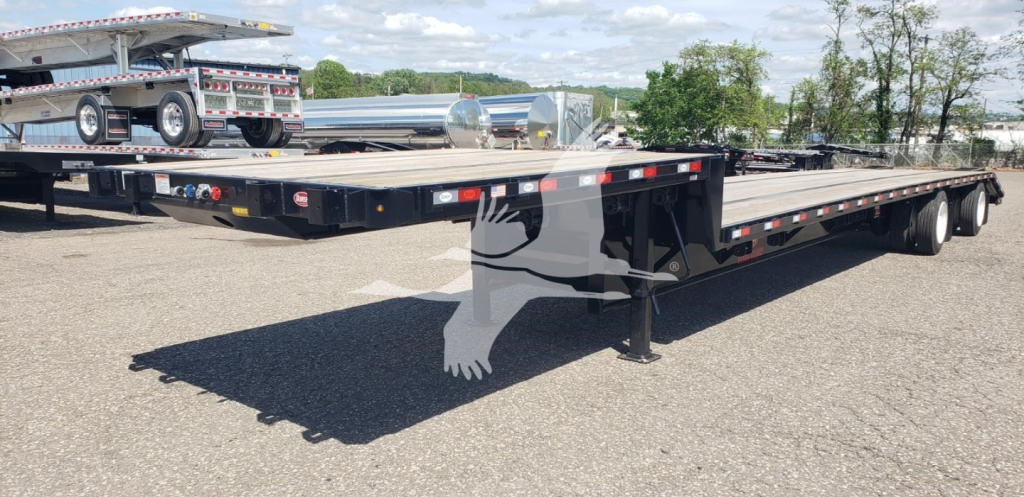
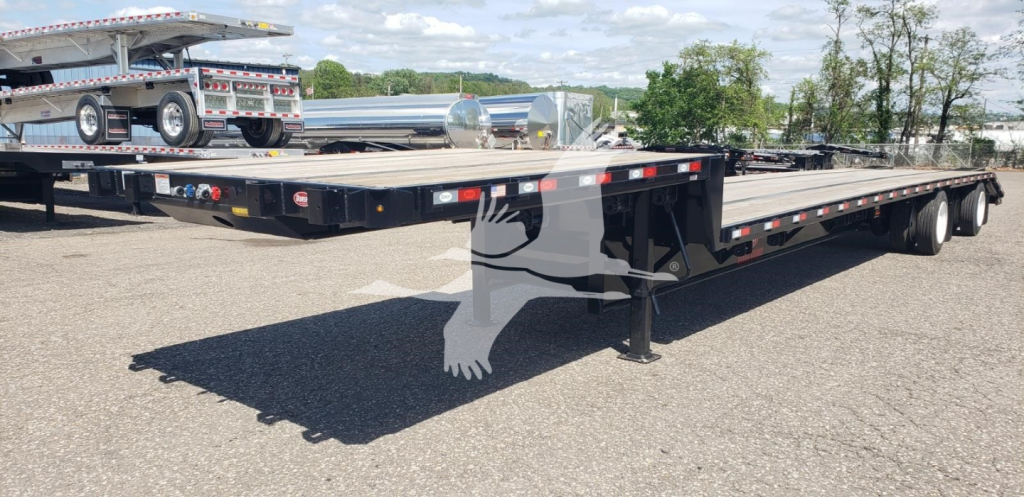
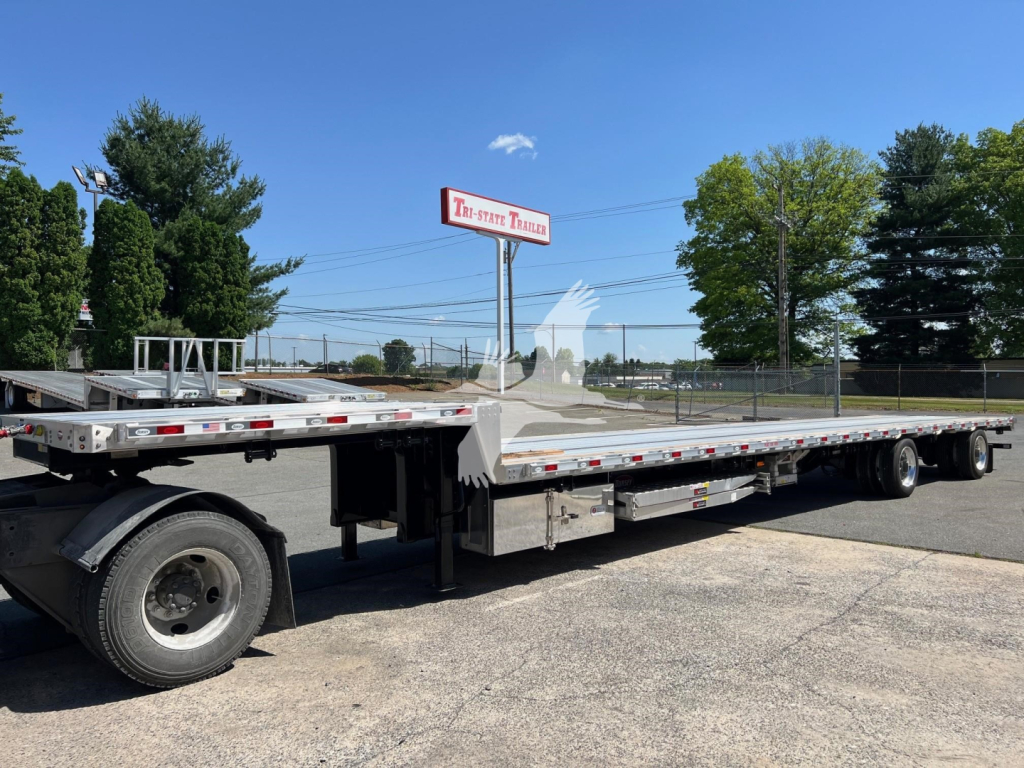
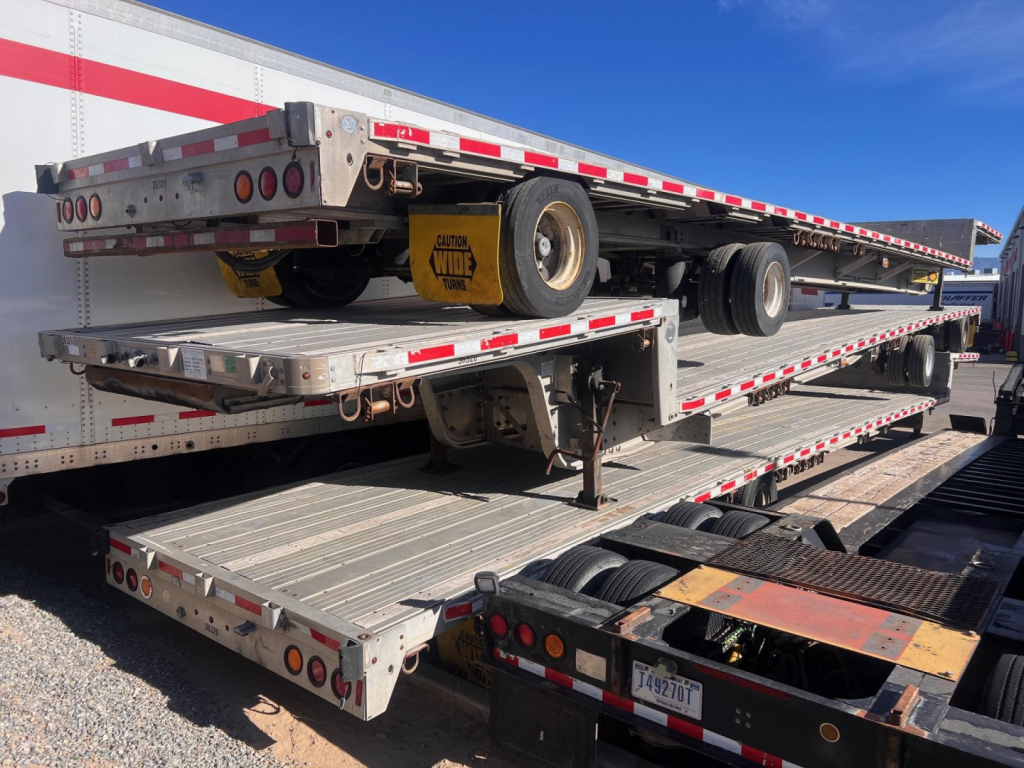
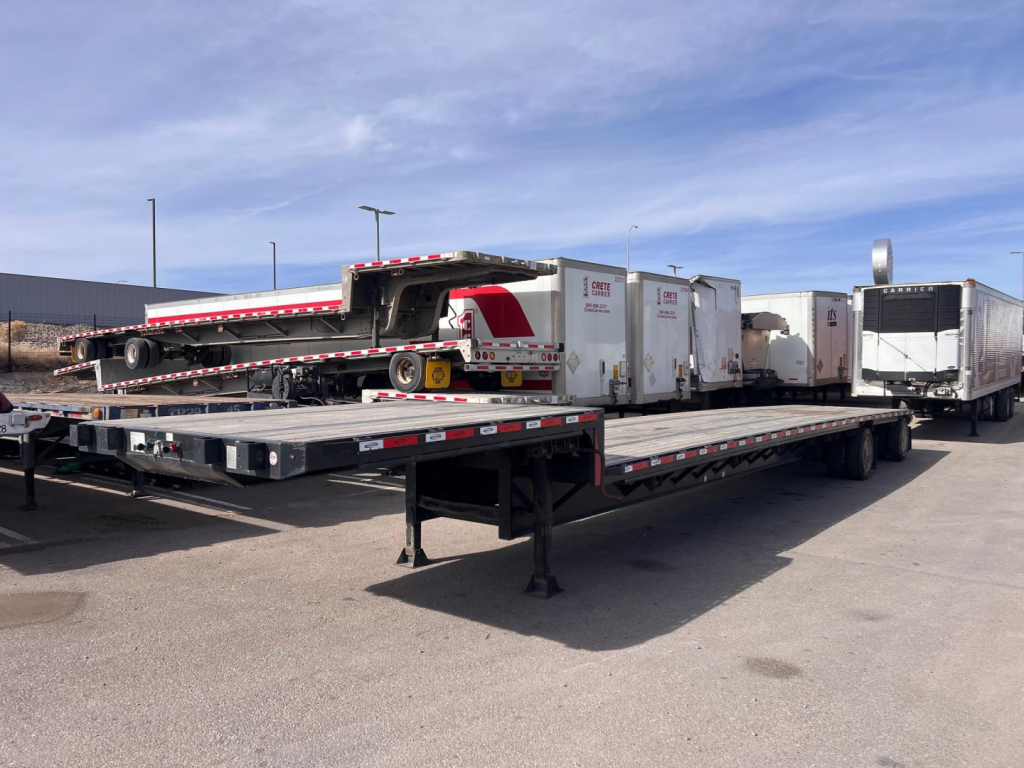
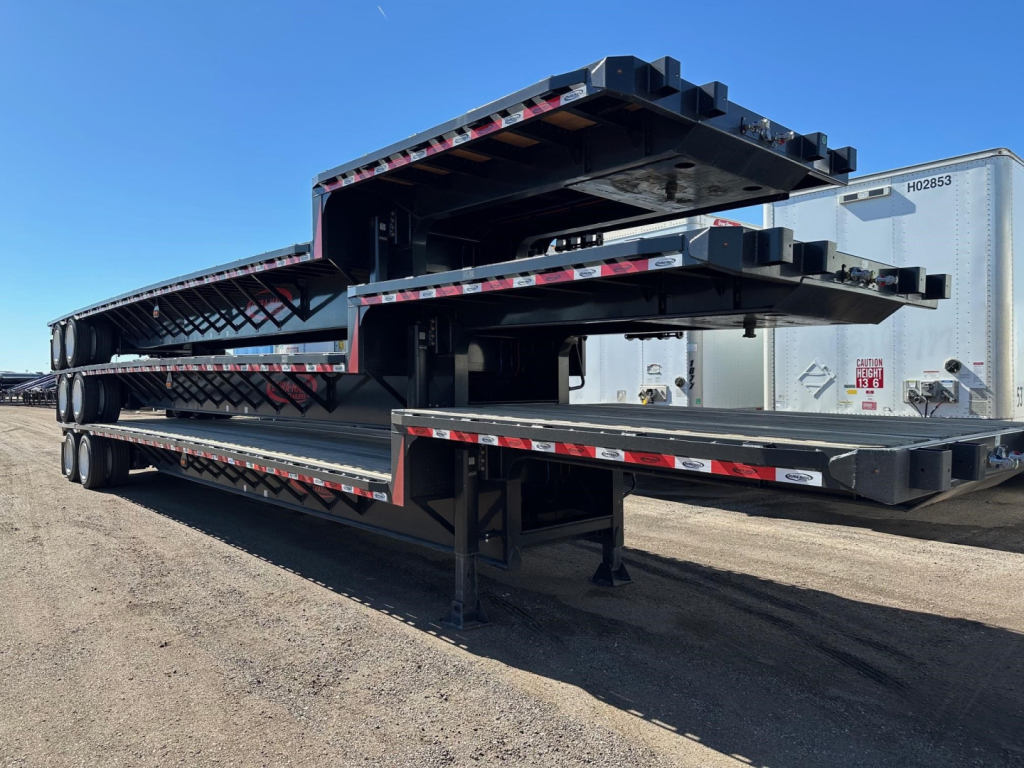
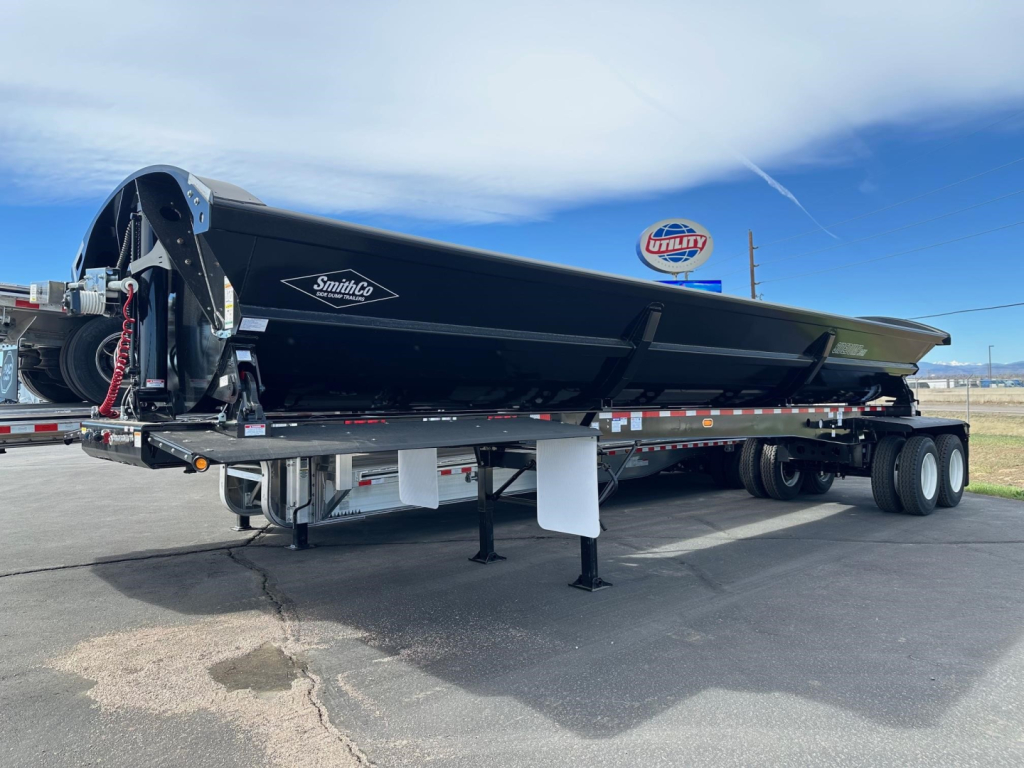
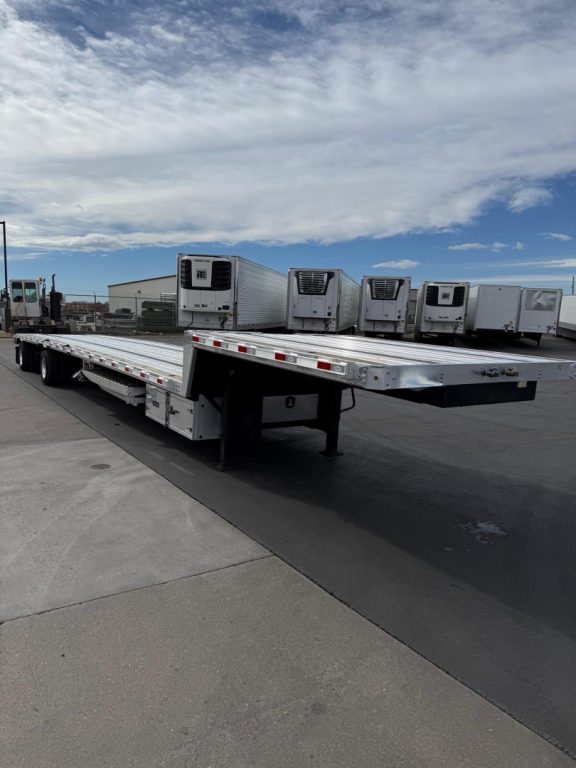
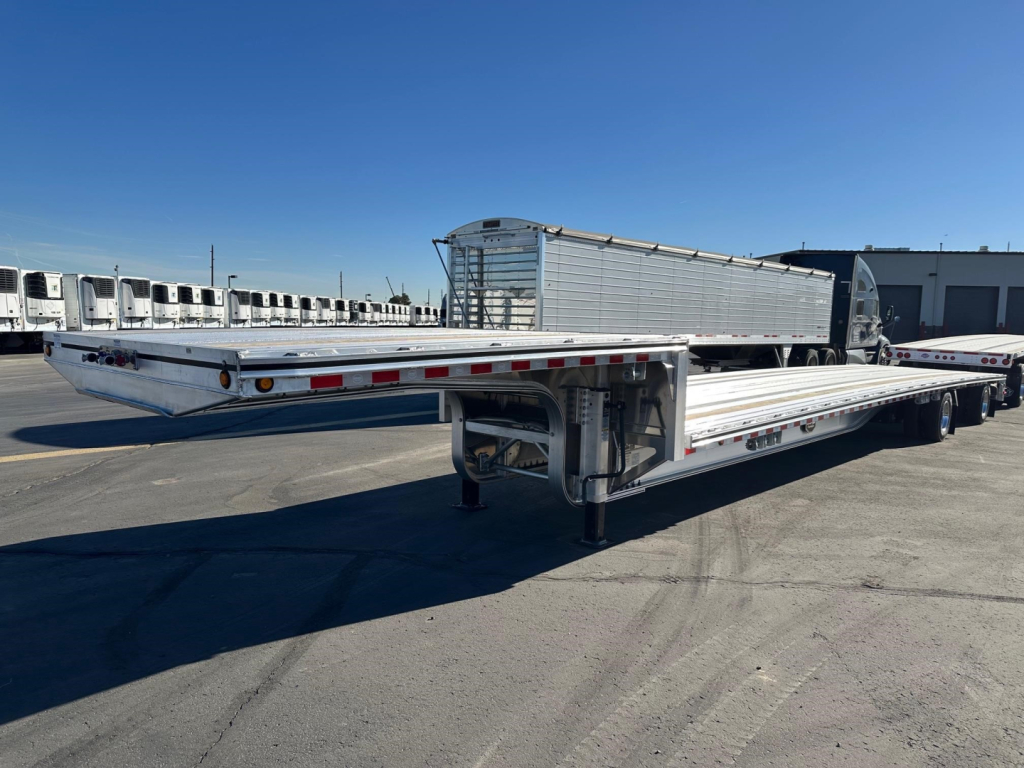
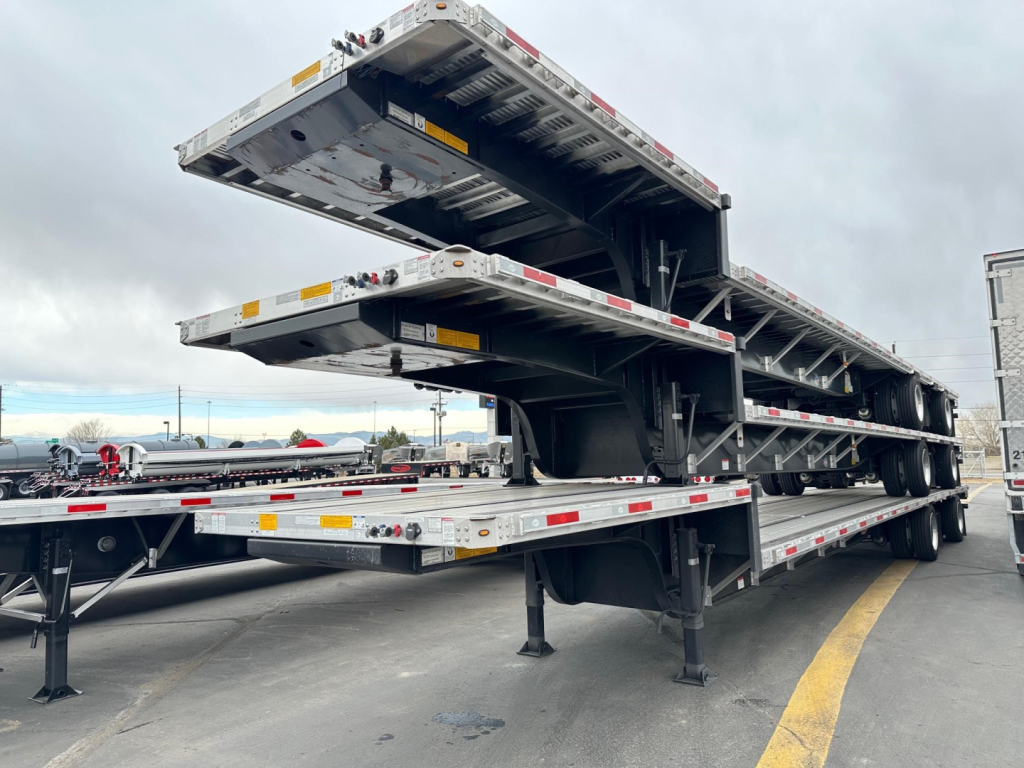
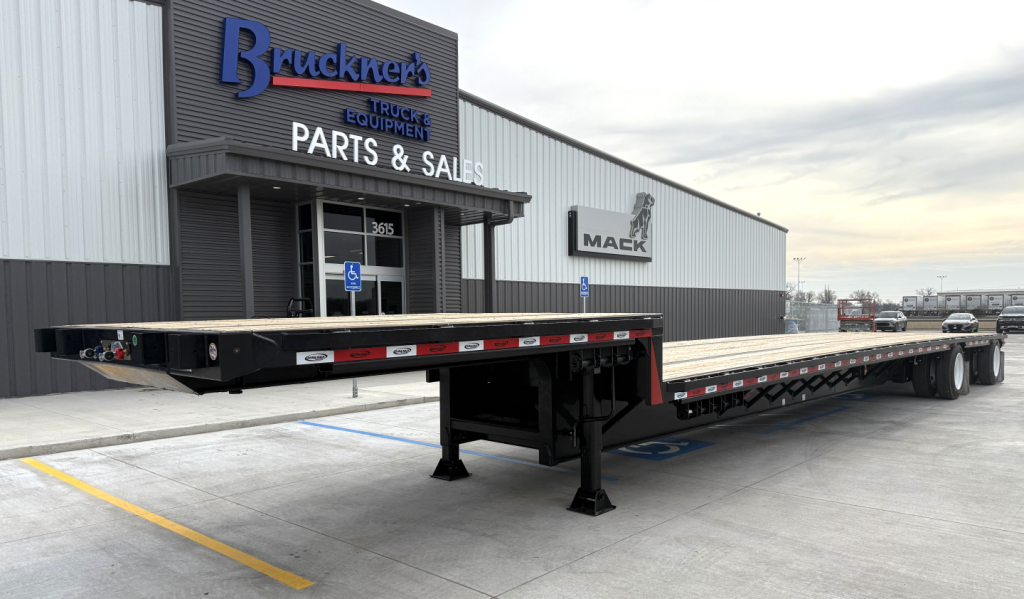
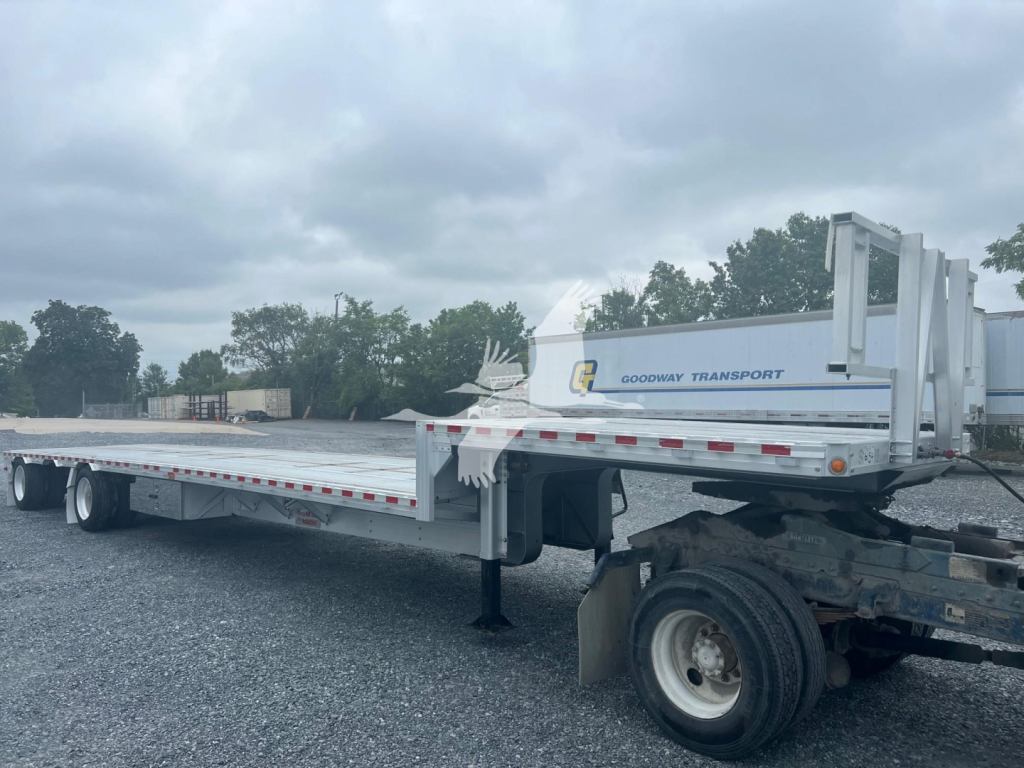
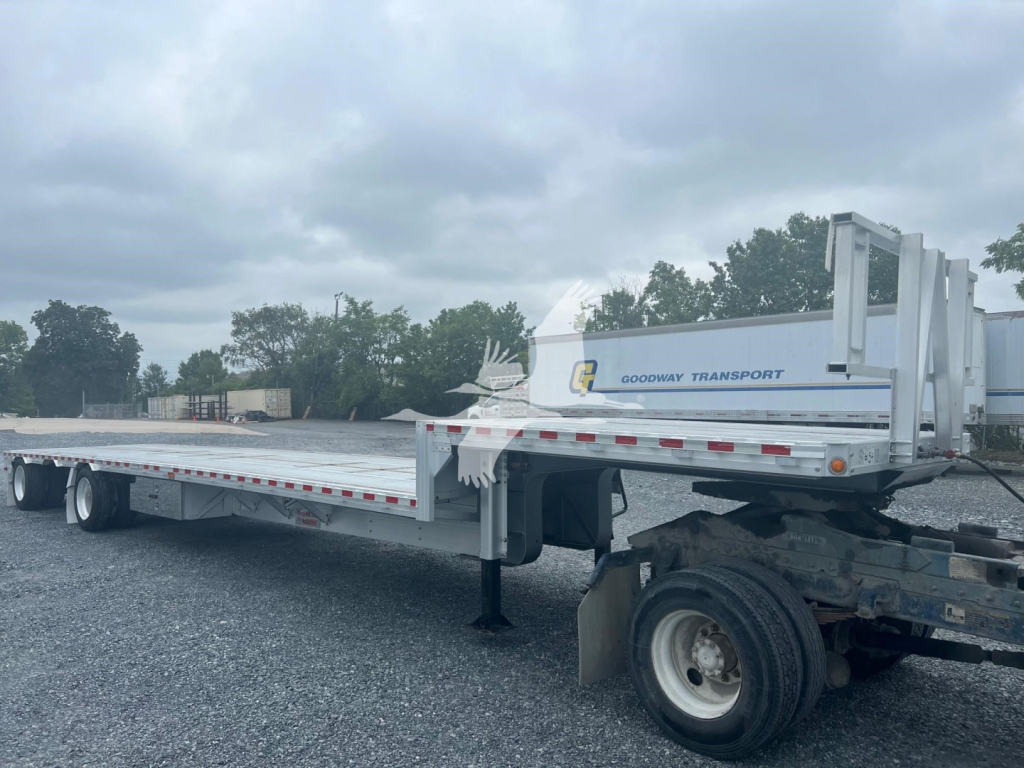
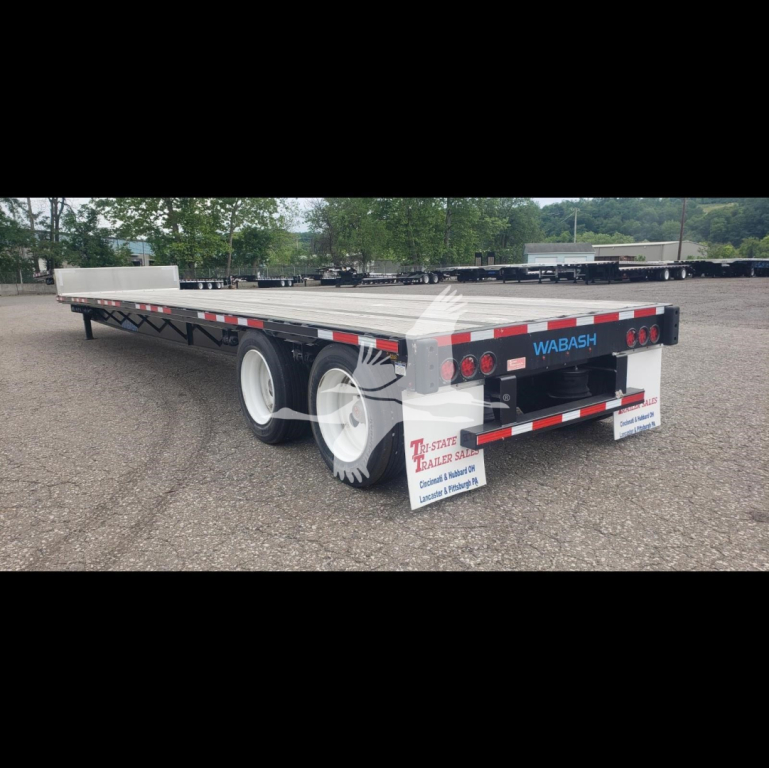
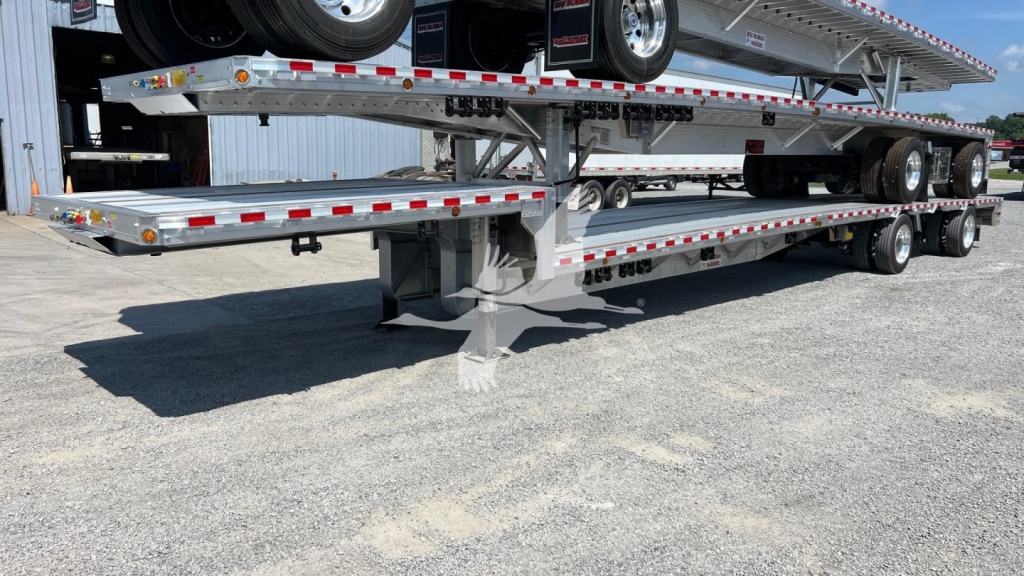
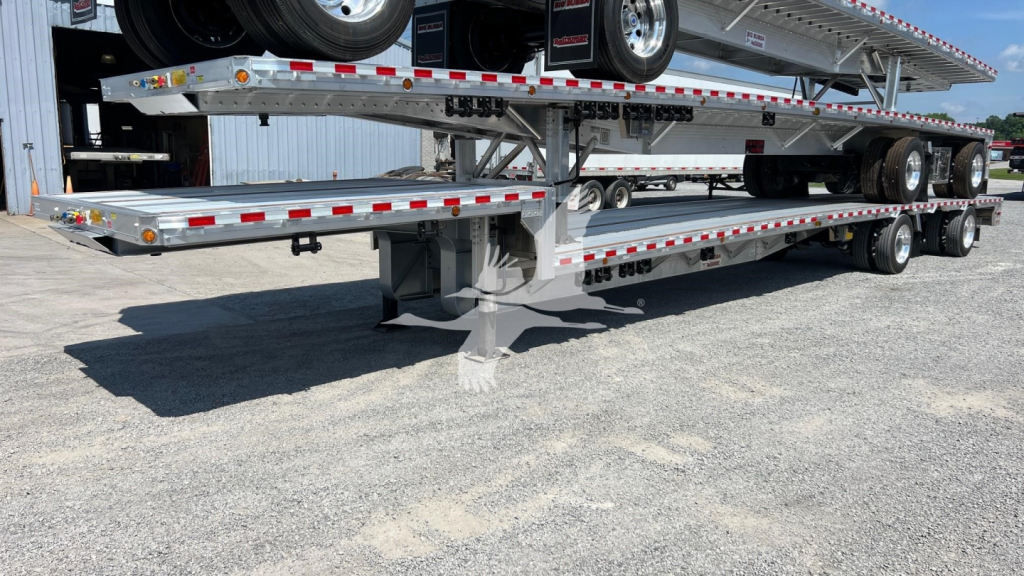
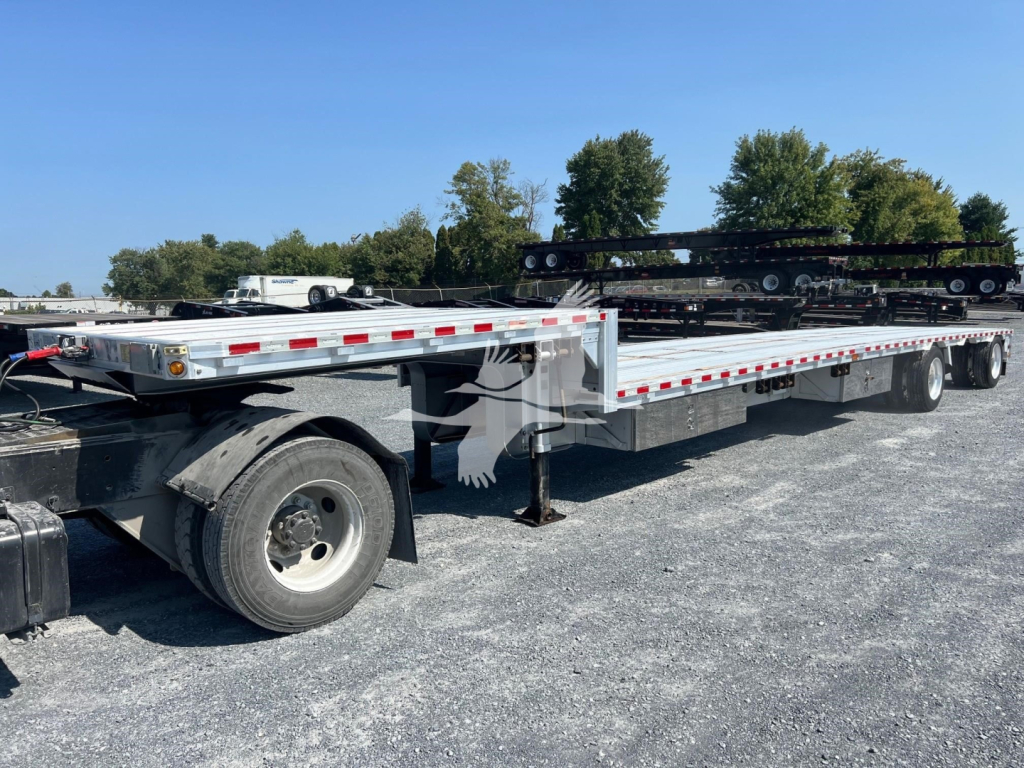
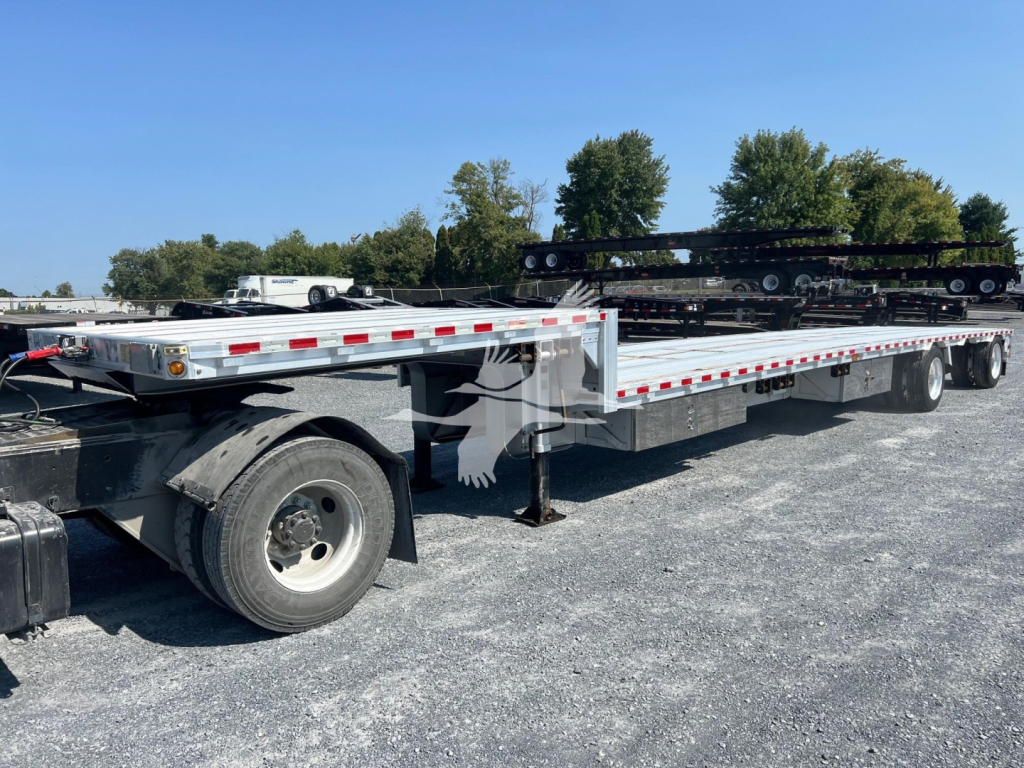
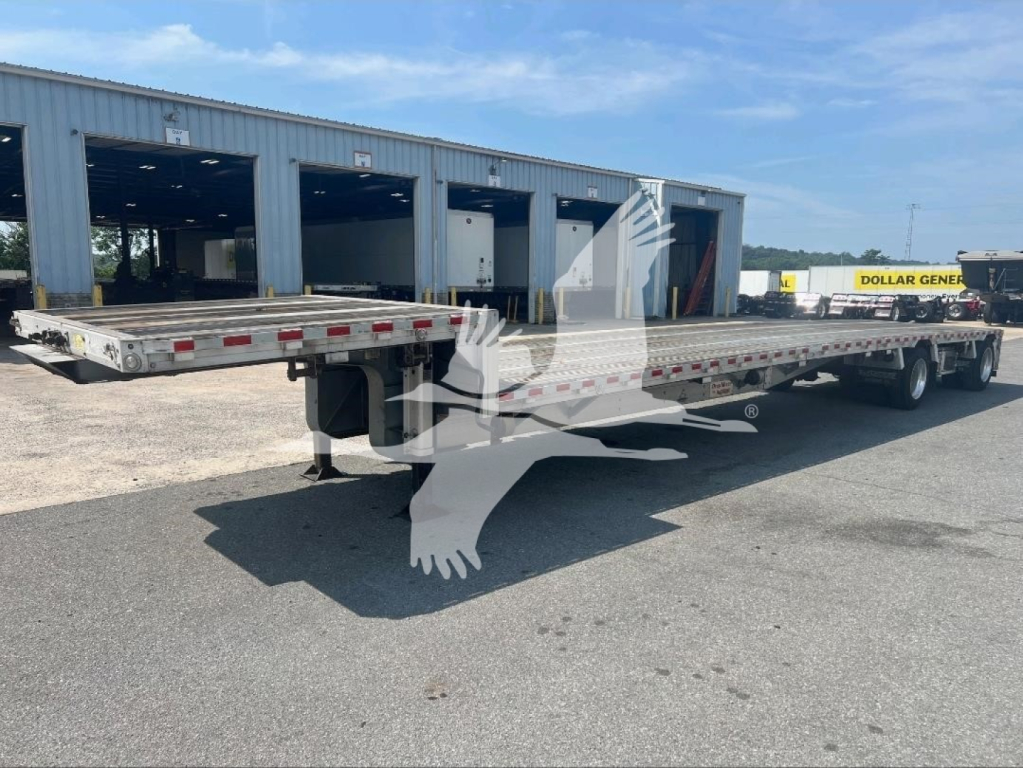
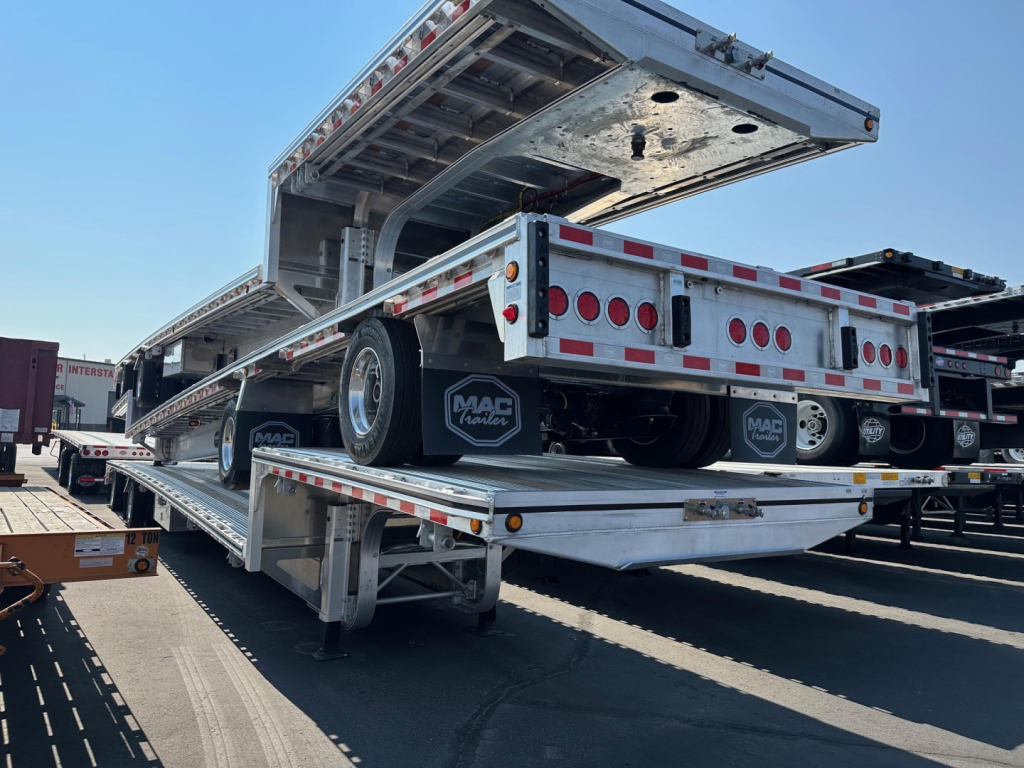
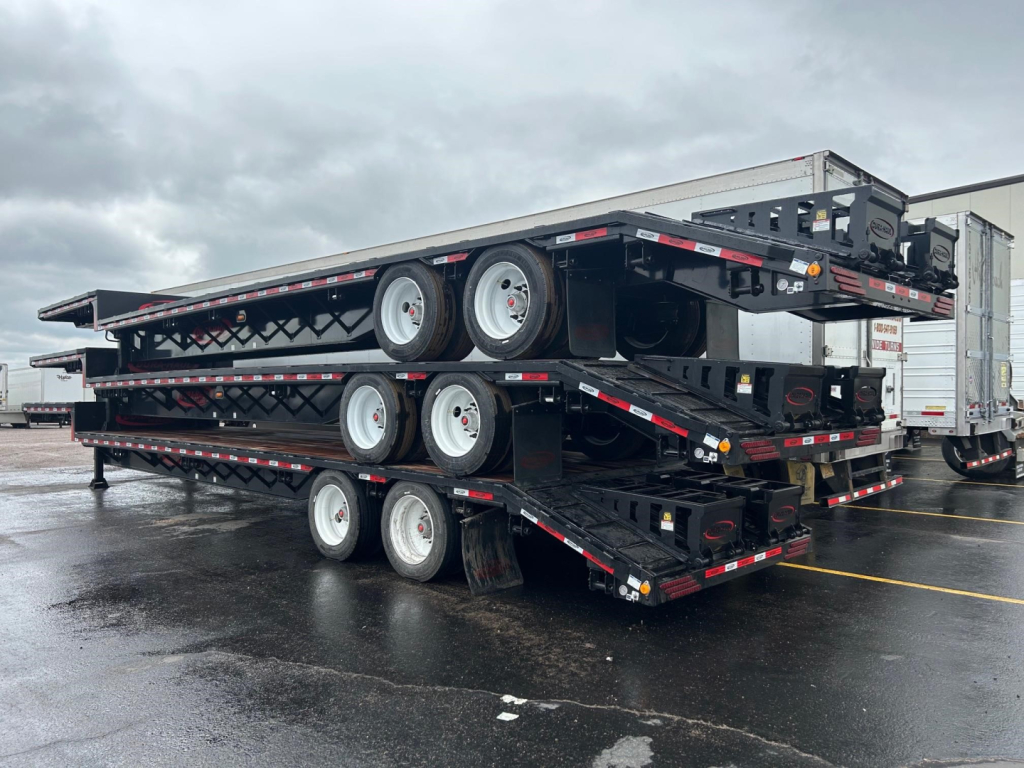
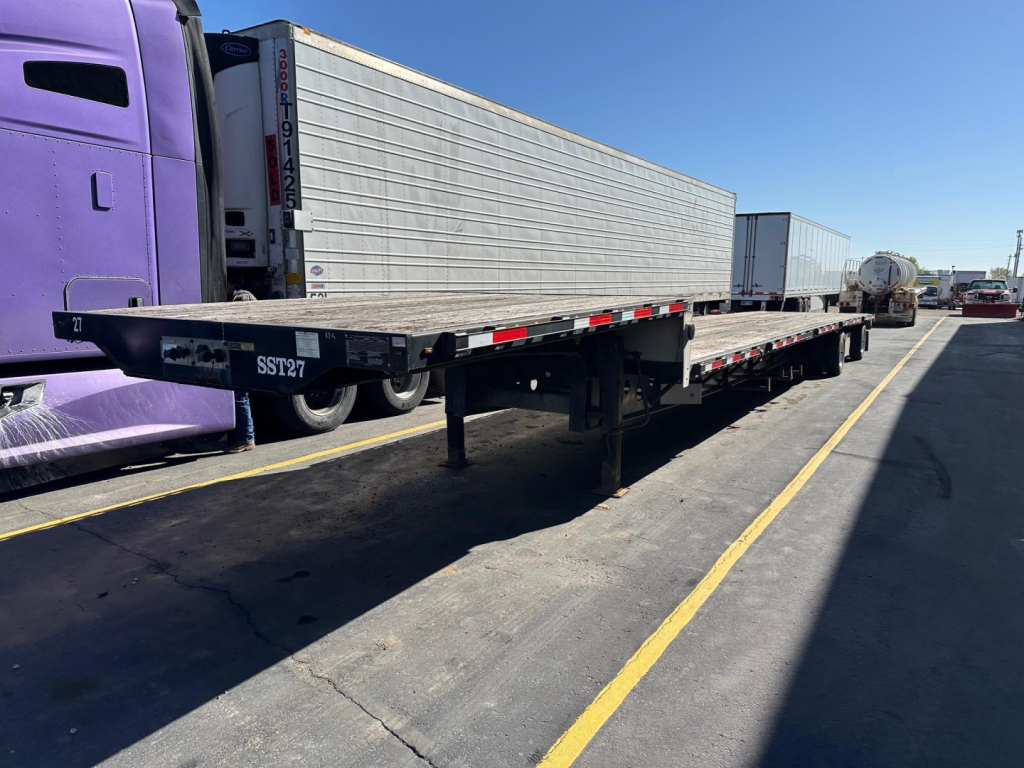
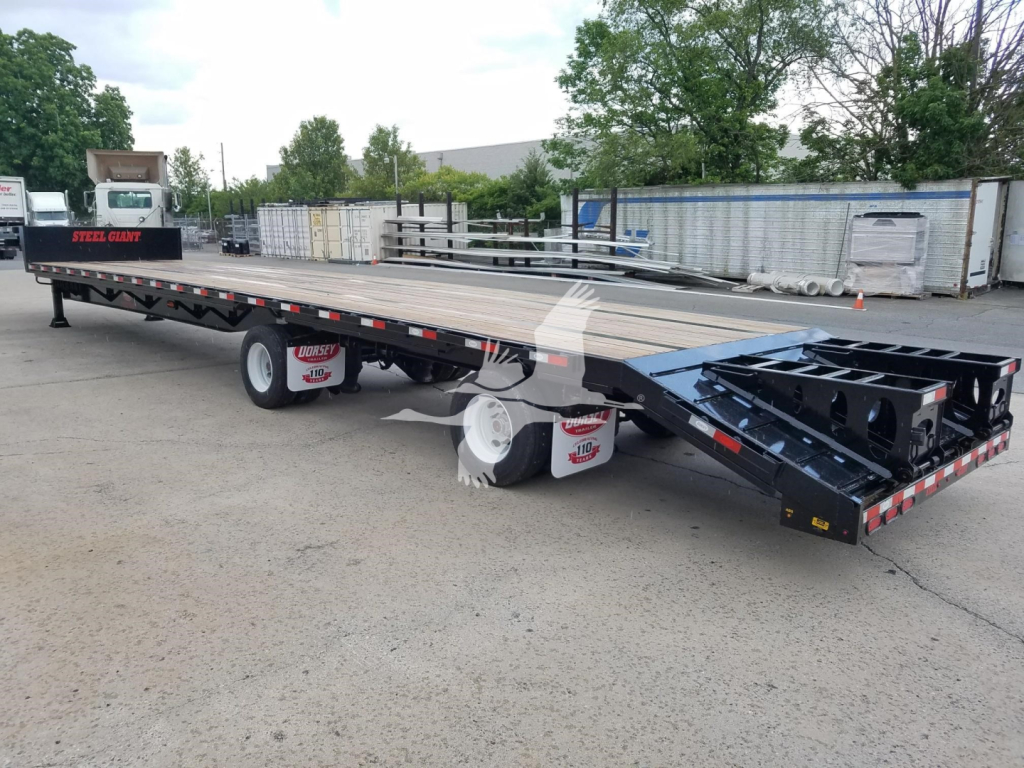
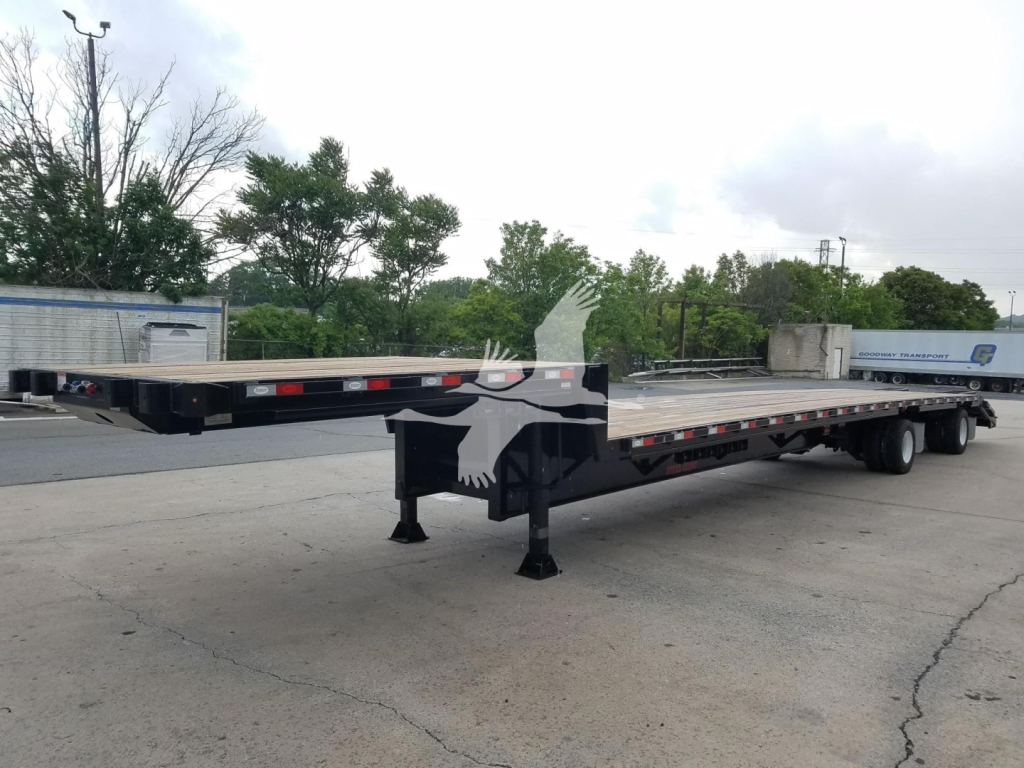
Showing 85 to 112 of 186 results
Have drop deck trailer to sell? List it here to reach thousands of buyers.
Drop Deck Trailers in Georgia
The key buying decision starts with deck dimensions and capacity. Common drop deck lengths are 48 and 53 feet, usually with an upper deck around 10 to 11 feet and a main deck in the low- to mid-30-foot range or longer depending on axle configuration. Main deck height is a major spec because a few inches can determine whether a load stays legal. Width is typically 102 inches, and buyers should look closely at concentrated load ratings, floor type, crossmember spacing, and tie-down layout. Apitong flooring remains common for durability and secure traction under equipment. If the trailer will handle forklifts, skid steers, or compact machines, ramp style, beavertail design, and deck reinforcement deserve close attention.
Suspension, axle setup, and securement details affect both ride quality and day-to-day operating cost. Air ride suspension is common on drop decks because it helps protect freight and improves loading flexibility, especially when paired with a dump valve. Fixed tandems are standard, while spread axle configurations can help with weight distribution but may change tire scrub and turning characteristics. Buyers comparing used drop deck trailers should inspect frame condition, neck area stress, crossmembers, landing gear, brakes, and tire wear patterns. Toolboxes, chain racks, winches, sliding winches, winch tracks, stake pockets, D-rings, and scuff protection all add practical value depending on the cargo mix.
In Georgia, many drop deck trailers work in construction, manufacturing, agriculture, and port-related freight. A trailer hauling lifts and small excavators around job sites needs different features than one moving generators, pipe, or bundled material across state lines. Disc or drum brakes, aluminum or steel wheels, 17.5 or 22.5 tire packages, and kingpin settings all influence maintenance planning and tractor compatibility. The best drop deck trailer is the one matched to your real freight profile, legal height targets, securement method, and lane conditions, not just the highest listed capacity.
Frequently Asked Questions about Drop Deck Trailers in Georgia
What is the difference between a drop deck trailer and a flatbed trailer?
A drop deck trailer has two deck levels, a short upper deck and a lower main deck, while a flatbed has one continuous deck height. The lower main deck on a drop deck allows taller freight to stay within legal height limits that might be too high on a standard flatbed. That makes drop decks a common choice for equipment, machinery, and taller building materials that do not need a lowboy.
What freight is a drop deck trailer commonly used for?
Drop deck trailers are commonly used for construction equipment, palletized materials, steel products, lumber, pipe, tanks, generators, and other loads that benefit from extra height clearance. They are especially useful when the freight is too tall for a flatbed but still light enough and compact enough to fit standard drop deck dimensions and axle ratings. Many carriers also use them for mixed freight because the lower deck adds versatility.
What specs matter most when buying a drop deck trailer?
The most important specs are overall length, upper deck length, main deck length, loaded deck height, width, axle configuration, and rated capacity. Buyers should also evaluate crossmember spacing, flooring type, tie-down points, ramp or beavertail setup, suspension type, brake package, and kingpin setting. Those details affect legal height, load securement, tractor compatibility, and how well the trailer handles concentrated equipment loads.
Are air ride suspensions common on drop deck trailers?
Yes, air ride suspension is very common on drop deck trailers because it helps protect sensitive freight, improves ride quality, and can assist during loading and unloading when paired with suspension controls such as a dump valve. It is a strong fit for machinery, crated freight, and loads that can shift or bounce on rough roads. Suspension type should still be evaluated alongside maintenance history and axle condition on any used trailer.
Is a 53-foot drop deck trailer better than a 48-foot model?
Not necessarily. A 53-foot drop deck offers more deck space and can be better for longer freight or higher-volume load plans, but a 48-foot model may be easier to maneuver and may better match certain regional applications. The better choice depends on the load dimensions, weight distribution, route restrictions, and how often the trailer will operate in tighter job sites, urban deliveries, or port environments.