
Manac Drop Deck Expandable Trailers For Sale
Browse Manac drop deck expandable trailers with stretch capability, air ride options, combo construction, and heavy-haul versatility.
Learn moreNo exact matches found for your search
Showing Manac Trailers instead.
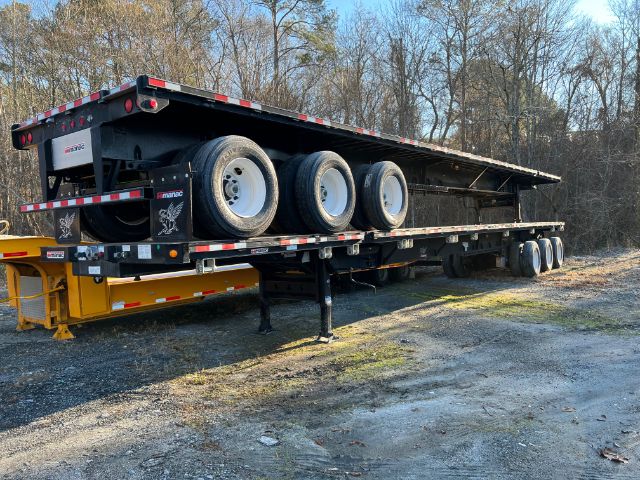
Showing 49 to 51 of 51 results
Have manac drop deck expandable trailer to sell? List it here to reach thousands of buyers.
About Manac Drop Deck Expandable Trailers
Buyers usually start with deck construction and axle layout. Manac is well known for durable trailer design, and many drop deck expandable models use combo construction with steel main beams and aluminum decking or rails to balance strength with tare weight. Common specs in this category include 102-inch width, tandem axles, air ride suspension, and fixed or spread axle configurations. The lower deck height matters because it directly affects legal loaded height, especially for taller equipment. Aluminum floors, nail strips, stake pockets, pipe spools, and sliding winches are all practical details that improve daily usability for mixed freight. If the trailer will see concentrated machine loads, beam ratings, floor rating, crossmember spacing, and loaded deck distribution deserve close attention.
The expandable section changes how the trailer works in the real world, so it is worth looking closely at the closed length, extended length, and how the trailer carries weight across the neck, main deck, and rear deck. A buyer should also consider kingpin setting, axle spread rules in the states where the trailer runs, and whether the suspension spec matches the freight profile. Air ride is common because it helps protect cargo and improves ride quality, but it should be matched with the intended payload and maintenance standards. Tire size, including low-profile 22.5 rubber on some units, can also influence deck height and loading angles. On a drop deck expandable, securement features are not secondary. Sliding winches, stake pockets, and spool locations need to work with the kinds of loads you actually haul, not just look good on a spec sheet.
For contractors, machinery haulers, steel haulers, and open-deck fleets that need one trailer to cover a wide range of jobs, Manac drop deck expandable trailers are attractive because they sit between a standard step deck and more specialized equipment. They can improve load acceptance without forcing a fleet into a heavier, more restrictive trailer class for every run. The best buying decision usually comes down to three things: real usable deck dimensions, structural rating where the load actually sits, and securement layout that supports your freight mix. If those match your lanes and commodities, a Manac expandable drop deck can be a very efficient piece of open-deck equipment.
Frequently Asked Questions
What is the main advantage of a Manac drop deck expandable trailer over a standard step deck?
The main advantage is added load length flexibility. A standard step deck handles taller freight by using a lower deck, but an expandable drop deck adds stretch capability for overlength cargo such as steel members, pipe, trusses, equipment attachments, and long fabricated components. That gives an operator more freight options while still keeping the lower deck profile that helps with legal height.
What specs matter most when comparing Manac drop deck expandable trailers?
The most important specs are closed and extended deck length, lower deck height, construction type, axle configuration, suspension, and concentrated load capacity. Buyers should also look at width, kingpin setting, crossmember spacing, floor type, and tare weight. Securement equipment such as sliding winches, stake pockets, pipe spools, and nail strips also matters because these features affect how efficiently the trailer can be loaded and tied down in daily service.
Are combo construction Manac drop deck expandable trailers a good fit for general freight use?
Yes, combo construction is a strong fit for many fleets because it blends steel strength in critical structural areas with aluminum components that help reduce empty weight. That can improve payload potential while maintaining durability for regular open-deck work. The exact fit depends on the cargo mix, especially if the trailer will carry frequent concentrated machine loads or operate in severe-duty applications where structural rating is more important than tare savings.
How does axle spread affect a drop deck expandable trailer?
Axle spread affects bridge compliance, weight distribution, turning characteristics, and state-by-state legal operation. A fixed spread tandem can help with weight placement and may support certain load strategies, but it can also change tire scrub and maneuverability compared with a closed tandem setup. Buyers should match the axle layout to their normal routes, permit needs, and the types of loads they expect to haul.
What kind of freight is best suited for a Manac drop deck expandable trailer?
This trailer category is best suited for freight that is tall, long, or both, but does not require a more specialized removable gooseneck or multi-axle heavy-haul trailer. Common examples include construction equipment, farm equipment, palletized machinery, crated industrial products, steel products, and long building materials. It is especially useful for fleets that handle a mix of standard step deck freight and occasional overlength loads.