
2024 Fontaine Double Drop Deck Trailers For Sale
Shop 2024 Fontaine double drop deck trailers built for heavy haul, low deck height, detachable neck options, and specialized freight applications.
Learn more
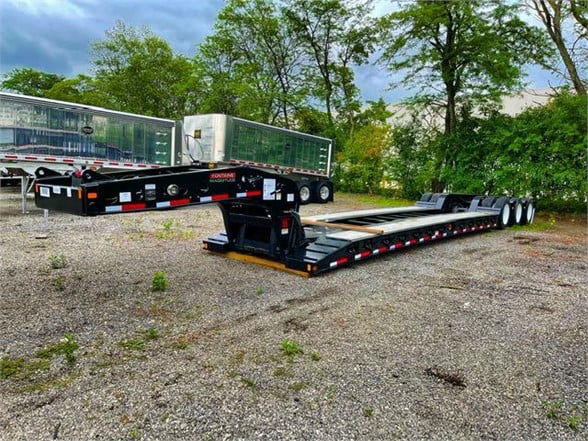
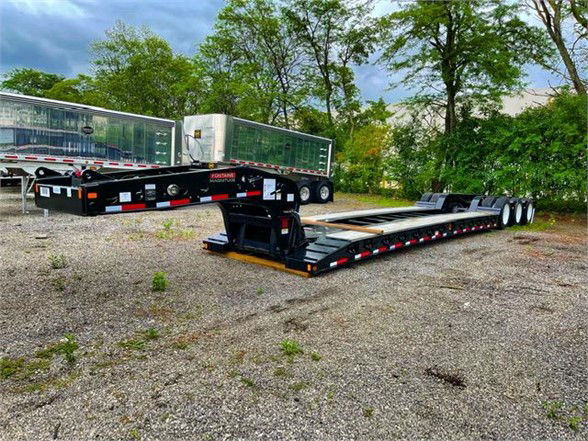
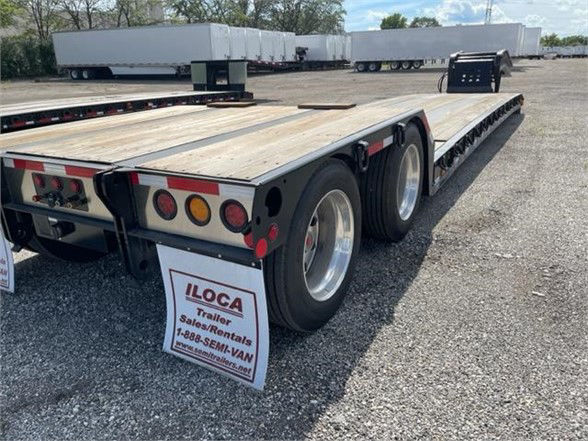
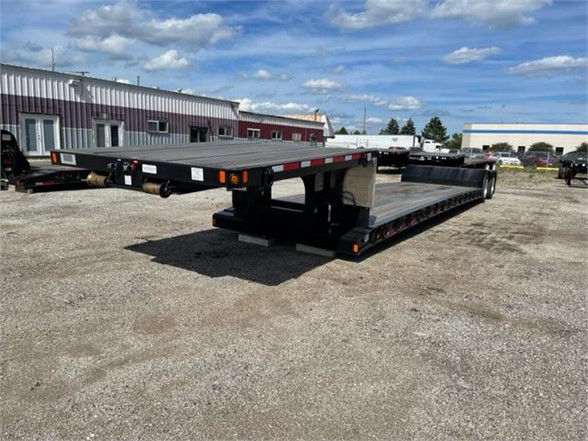
Have 2024 fontaine double drop deck trailer to sell? List it here to reach thousands of buyers.
About 2024 Fontaine Double Drop Deck Trailers
Fontaine models in this category commonly include mechanical detachable gooseneck and hydraulic detachable neck designs. A mechanical detachable neck is simpler and generally lighter, which can help payload and maintenance cost, while a hydraulic neck speeds loading and unloading and is preferred for frequent equipment moves. Common specs in this class include 40-ton to 55-ton overall capacity ratings, loaded deck heights around 18 to 20 inches, clear well lengths near 29 feet, and rear deck sections around 7 feet 10 inches. Some configurations also offer extendable deck capability up to about 50 feet for longer freight. Swing clearance matters if you load tall equipment over the neck, and buyers should pay close attention to neck length, ramp angle, and ground clearance if they operate on uneven job sites.
Running gear and deck equipment are just as important as the published capacity rating. Air ride suspension is common on Fontaine heavy haul trailers because it helps protect sensitive equipment and improves ride quality under varying loads. Tandem and tri-axle setups are both seen in this segment, and some trailers are prepped for flip axles, spreader bars, or close-coupled booster options when state bridge laws or payload demands require more flexibility. Outriggers, traction cleats, aluminum outer wheels, and deck connection points all add practical value in day-to-day use. Legal payload is never just a trailer spec sheet number. It depends on axle ratings, kingpin setting, tractor configuration, and the permit environment in the states where the trailer will run.
For buyers comparing 2024 Fontaine double drop deck trailers, the best approach is to match the trailer to the freight profile rather than buying only by tonnage rating. A 40-ton detachable neck trailer with an 18-inch loaded deck may be ideal for compact heavy equipment and taller machines that need every inch of legal height, while a 55-ton extendable triaxle setup fits longer and denser loads that demand more axle capacity and scaling options. Fontaine is well known in specialized hauling for durable frame construction, practical deck layouts, and dealer familiarity with heavy haul setups. The right trailer in this category should load easily, scale legally, and leave enough configuration flexibility for the permit work and freight mix you run most often.
Frequently Asked Questions
What is a Fontaine double drop deck trailer used for?
A Fontaine double drop deck trailer is used for hauling tall, heavy, or irregular freight that will not fit efficiently on a standard flatbed or step deck. Common loads include construction equipment, farm machinery, fabricated steel, tanks, industrial components, and other freight that benefits from a very low deck height. The lowered center deck helps reduce overall loaded height, which can be critical for staying within legal limits or minimizing permit requirements.
What is the difference between a mechanical detachable neck and a hydraulic detachable neck?
A mechanical detachable neck uses a simpler connection system and is often lighter, which can improve net payload and reduce complexity. A hydraulic detachable neck is faster and easier to detach during frequent loading cycles, especially when loading self-propelled equipment. Buyers who load equipment regularly often prefer hydraulic detach for convenience, while fleets focused on lighter tare weight and straightforward maintenance may lean toward mechanical detach designs.
How low is the deck on a typical Fontaine double drop trailer?
Many Fontaine double drop deck trailers in this class have loaded deck heights in the 18-inch to 20-inch range, though exact height depends on suspension, tire size, load, and configuration. That low deck height is one of the main reasons buyers choose a double drop or lowboy style trailer. It creates valuable height savings for overheight equipment and can make the difference between a legal load and a permitted load.
How do I choose between tandem axle and tri-axle double drop trailers?
The choice depends on freight weight, bridge law requirements, and the states where the trailer will operate. Tandem axle trailers are generally lighter and simpler, which can help with tare weight and maintenance. Tri-axle trailers provide more axle capacity and often more flexibility for heavier or denser freight, especially when paired with flip axles or booster options. The best setup is the one that matches your usual cargo weight, tractor specs, and permit strategy.
Are outriggers and flip axle connections important on a double drop deck trailer?
Yes, they can be very important depending on the freight. Outriggers add width support for larger equipment or machinery with wider track or tire spacing, while flip axle connections give you room to increase axle count when scaling heavier loads. Even if they are not used every day, these options add versatility and can make a trailer more useful across a broader range of heavy haul jobs.