
New Dolly Trailers For Sale
Have new dolly trailer to sell? List it here to reach thousands of buyers.
New Dolly Trailers
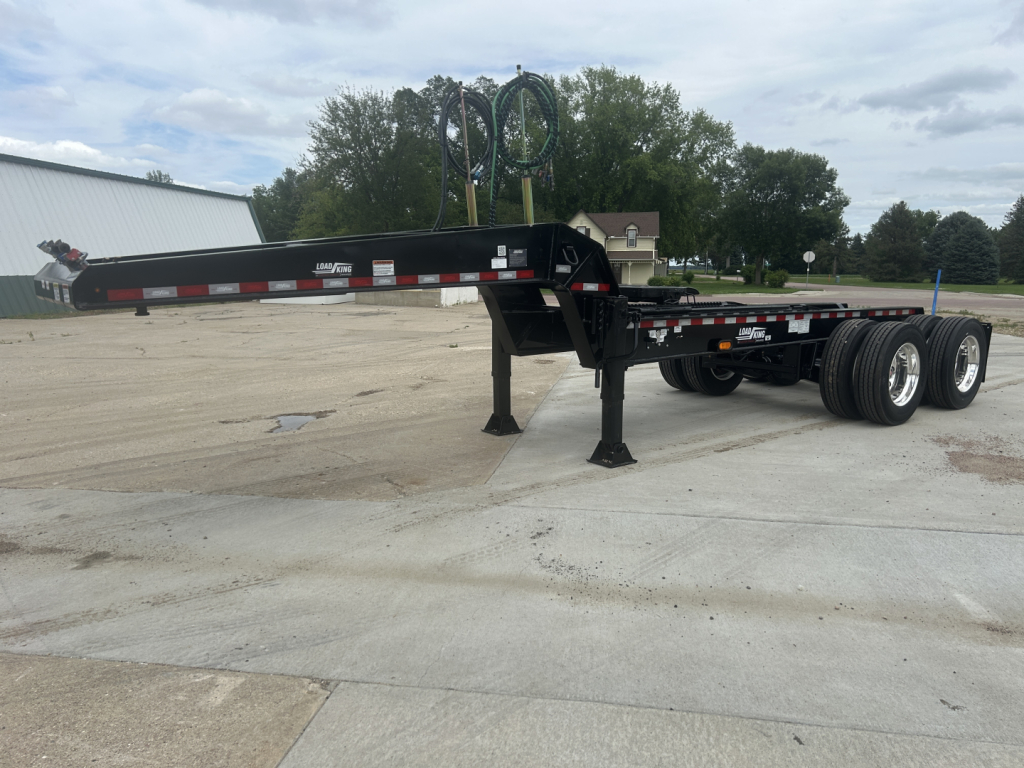
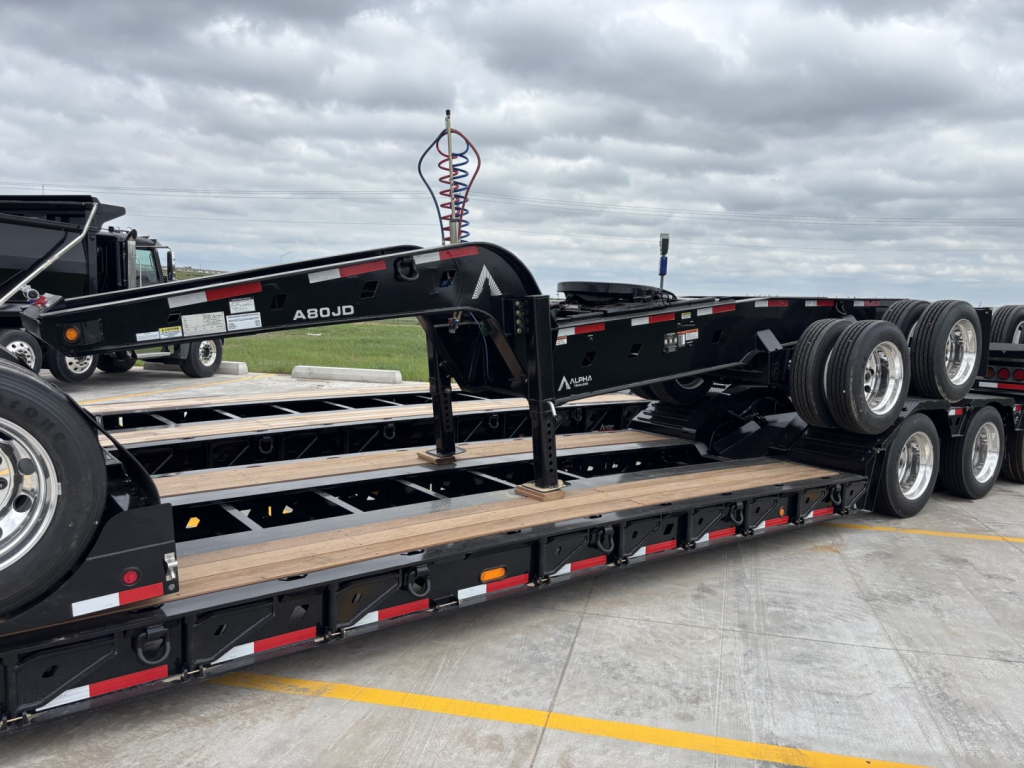
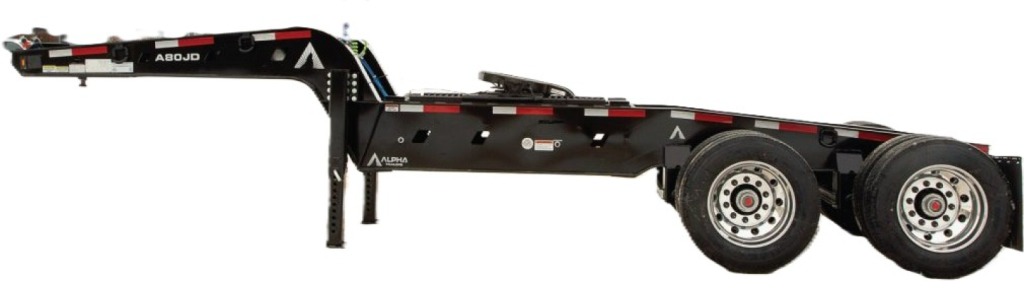
A jeep dolly is typically placed between the tractor and trailer to spread load and create additional axle groups. That makes it a practical option when hauling concentrated weight that would overload a standard tractor-trailer setup. Common specs include rigid or hydraulic gooseneck arrangements, sliding or fixed fifth wheel plates, tandem axle layouts, air ride suspension, and 25,000-pound-per-axle class running gear, though heavier and lighter configurations exist. Buyers should pay close attention to overall length, fifth wheel height, and available kingpin positions, because those dimensions affect trailer compatibility, turning behavior, and permit routing. Swing clearance at the neck and frame width also matter, especially when pairing a dolly with a specific lowboy or double drop deck.
Flip axles are another common dolly-related solution, especially on heavy haul lowboys and double drops. A flip axle adds capacity at the rear of the trailer and can often be attached or removed as the load and jurisdiction require. Steel construction is common for durability, and axle type, brake package, wheel spec, and suspension design all affect maintenance cost and service life. On new dolly trailers, features like LED lighting, sealed harnesses, air controls, raise-lower valves, air weigh scales, and hub-piloted axles can improve day-to-day operation and simplify setup in the field. Buyers comparing new units should also look at landing gear design, tie-down provisions such as D-rings, brake size, and whether the dolly uses drum brakes or another setup suited to the fleet's maintenance standards.
The best new dolly trailer is the one that matches the trailer it will work with and the states it will run in. Heavy haul operators should confirm axle group spacing, loaded deck and fifth wheel heights, suspension travel, and legal capacity assumptions before purchase. It is also smart to verify connection points, electrical compatibility, tire size standardization, and paint or corrosion protection if the dolly will see year-round use. For fleets and owner-operators running permitted freight, a properly matched dolly can improve versatility, protect revenue by widening legal hauling options, and reduce the need to dedicate a full trailer configuration to a narrow range of loads.
Frequently Asked Questions about New Dolly Trailers
What is a dolly trailer used for in heavy haul applications?
A dolly trailer is used to add axle capacity and redistribute weight within a heavy haul combination. In practice, it helps a tractor and trailer setup meet bridge formulas, axle weight limits, and permit requirements that a standard configuration cannot satisfy on its own. Jeep dollies are commonly installed between the tractor and trailer, while flip axles are typically added at the rear of the trailer to support more load and improve legal weight distribution.
What should I check first when buying a new jeep dolly?
The first items to verify are capacity, fifth wheel height, kingpin settings, axle spacing, and compatibility with the trailer you plan to pull. A jeep dolly can be well-built and still be the wrong unit if the loaded heights do not match, the swing clearance is too tight, or the axle group does not fit your permit needs. Buyers should also confirm suspension type, brake specifications, tire size, frame construction, and electrical hookup details before making a decision.
How is a flip axle different from a jeep dolly?
A flip axle is generally mounted at the rear of a lowboy or double drop trailer to add carrying capacity and support the rear axle group. A jeep dolly sits ahead of the trailer and creates an additional axle group between the tractor and the trailer. Both are used to improve legal load distribution, but they solve different configuration problems and are chosen based on the load, the trailer design, and the route's permit requirements.
Are air ride suspensions common on new dolly trailers?
Yes, air ride suspension is common on many new dolly trailers used in heavy haul service because it helps manage ride quality, load equalization, and height control. Air ride setups can also make it easier to adjust loaded position during hookup and operation, especially when paired with raise-lower valves or other suspension controls. Buyers should still compare axle ratings, brake packages, and serviceability because suspension design is only one part of overall performance.
Why do kingpin settings and fifth wheel height matter on a dolly?
Kingpin settings and fifth wheel height directly affect how the dolly matches to the tractor and trailer, and they influence turning clearance, load balance, and overall combination height. If those dimensions are off, the result can be poor geometry, clearance issues, or a setup that is difficult to permit and operate safely. These measurements should be checked against the exact trailer and expected load profile, not just the dolly's published rating.