
Utility Curtainside Trailers For Sale
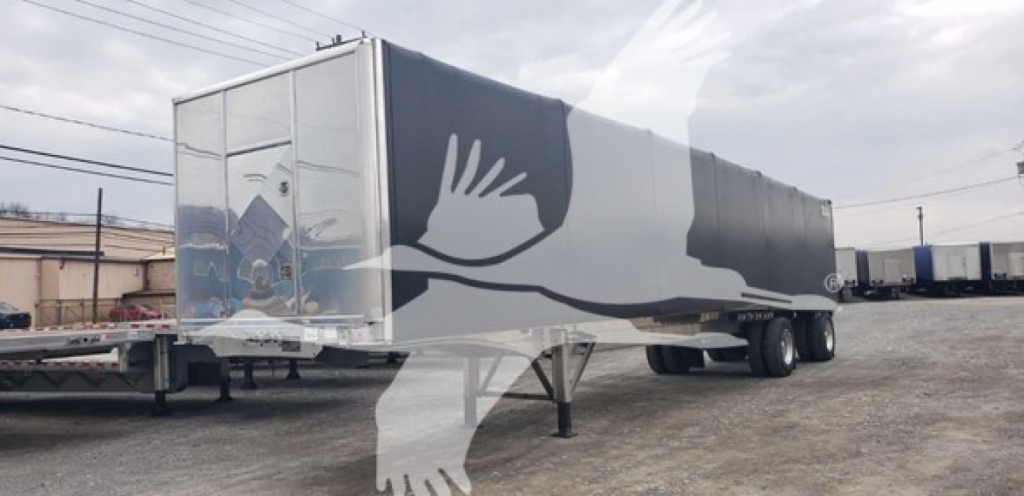
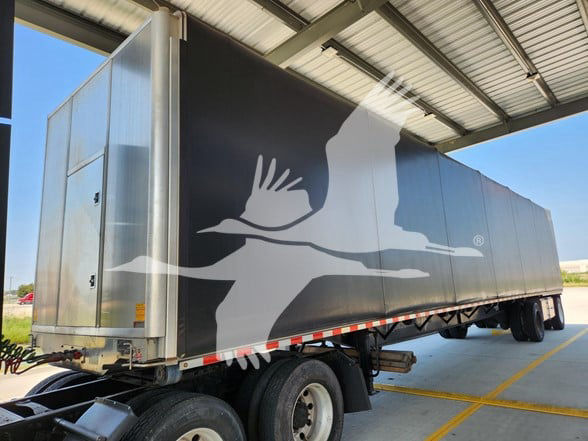
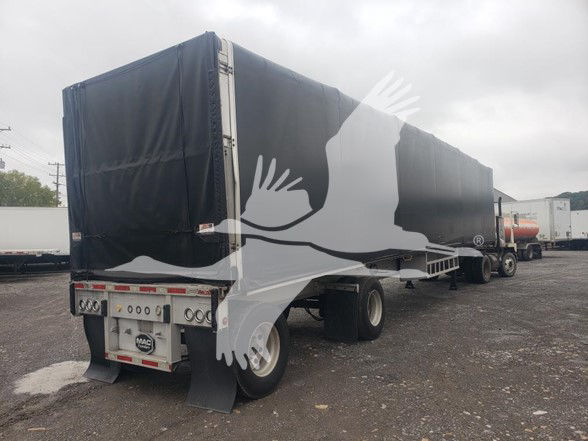
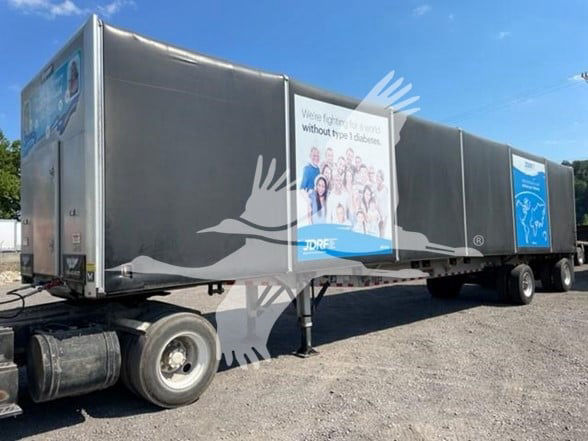
Browse Utility curtainside trailers built for protected side-load freight, with flatbed flexibility, 48-ft decks, air ride, and cargo securement options.
Learn moreNo exact matches found for your search
Showing Curtainside Trailers instead.
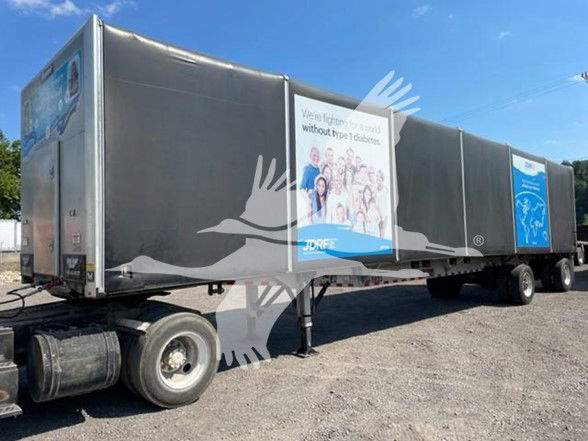
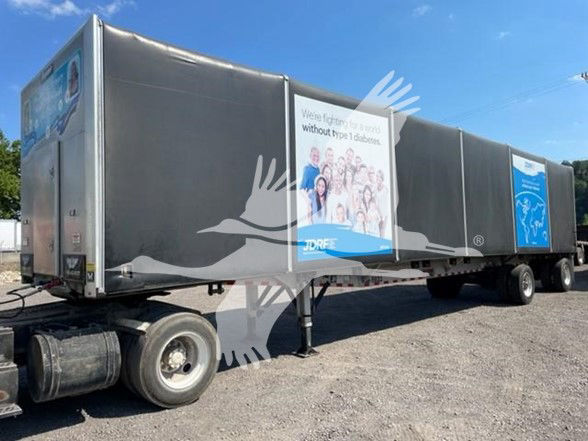
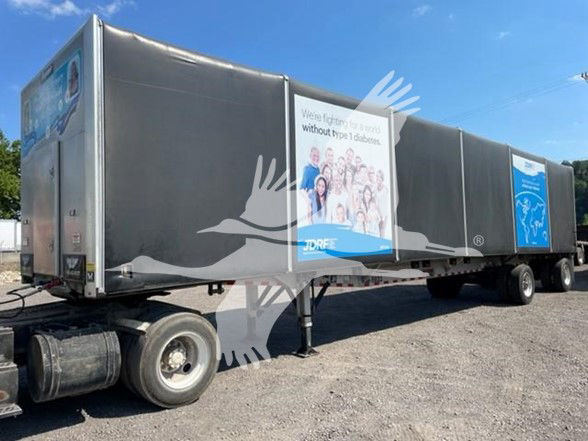
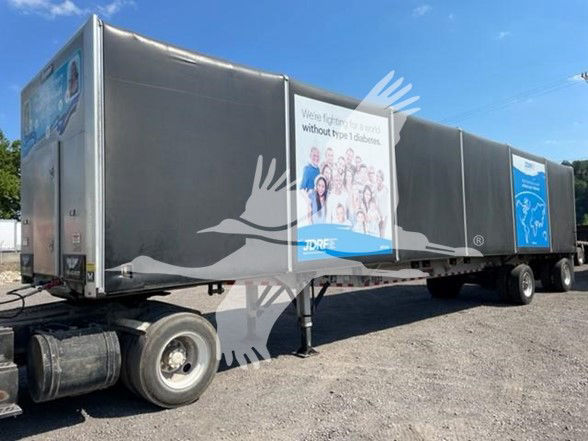
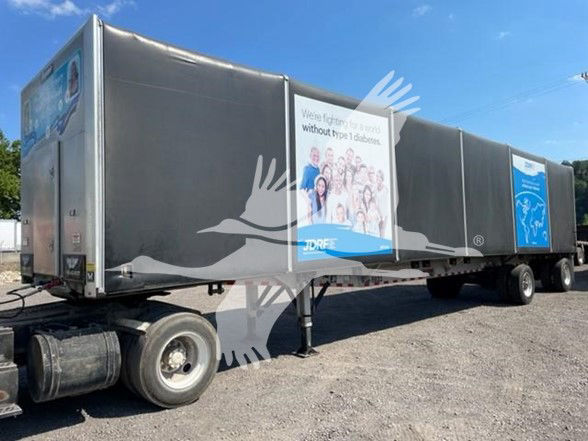
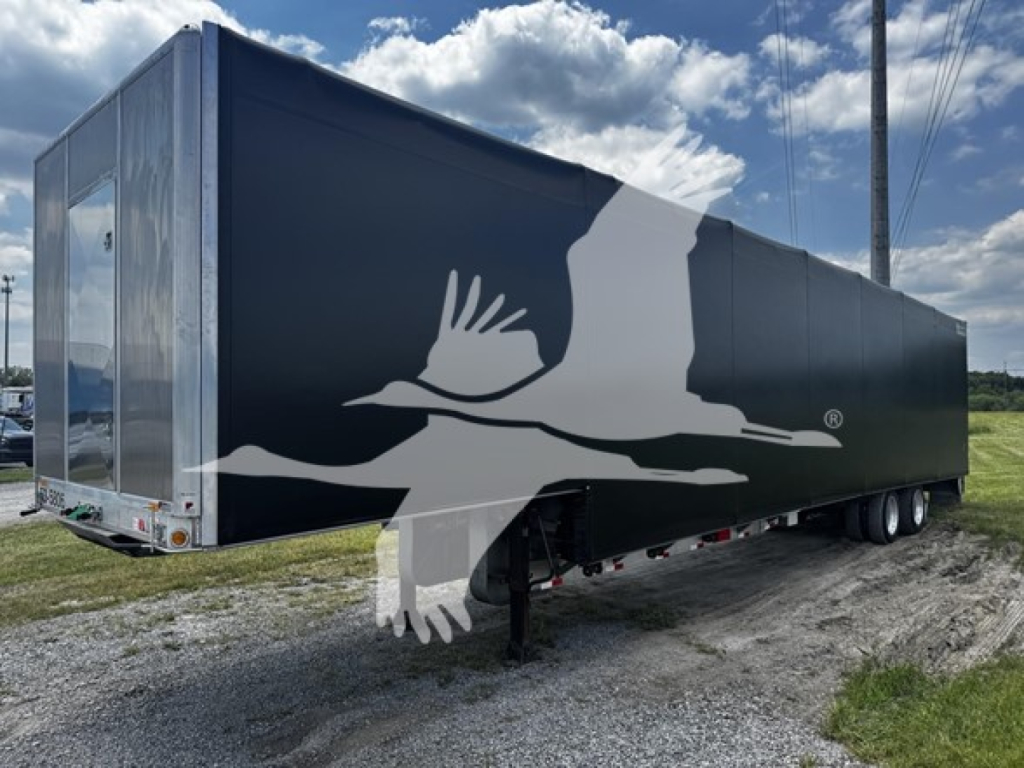
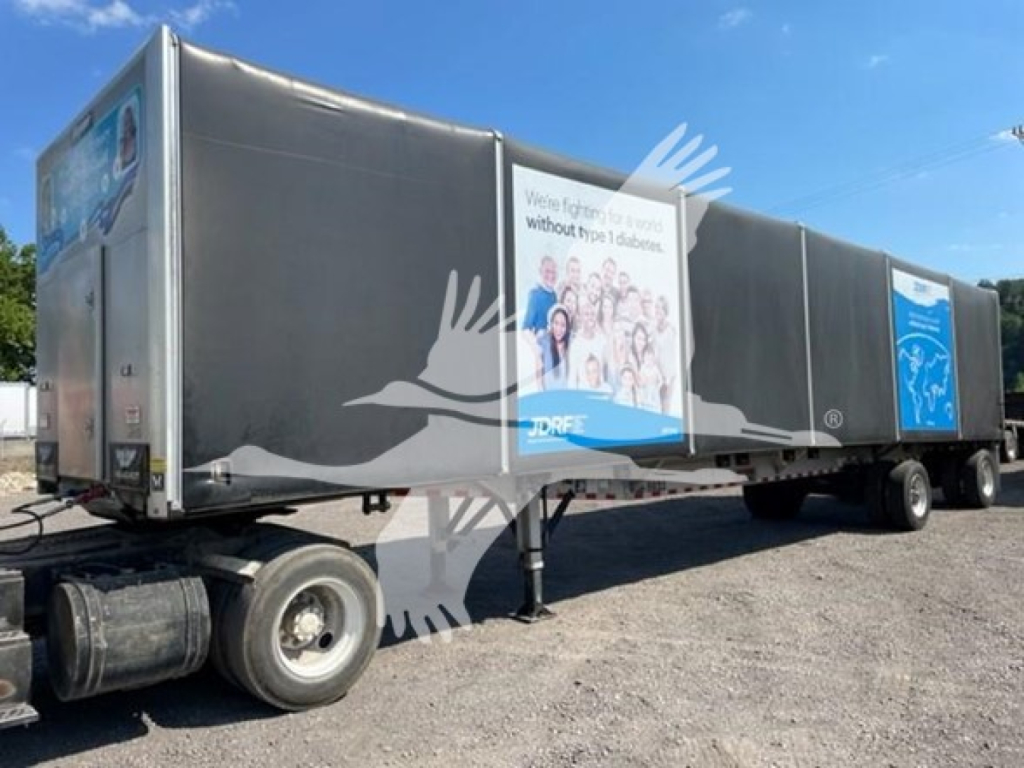
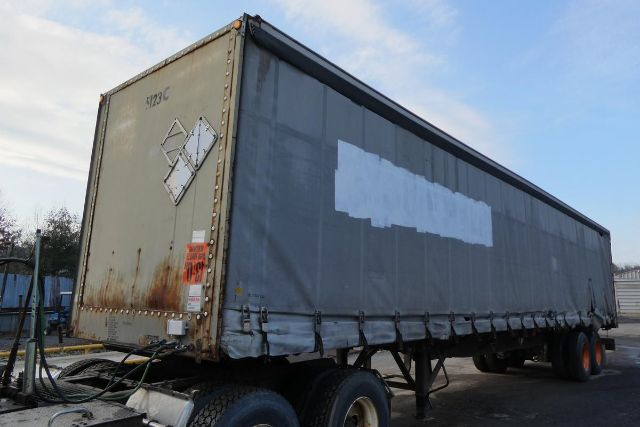
Showing 13 to 24 of 28 results
Have utility curtainside trailer to sell? List it here to reach thousands of buyers.
About Utility Curtainside Trailers
One of the biggest buying decisions is the trailer's deck and securement setup. Many Utility curtainsides use an aluminum and steel composite design to balance tare weight with durability. Buyers should look closely at floor type, nail strips, winch track placement, and whether the trailer includes a coil package if steel or heavy concentrated loads are part of the job. Curtain condition matters as much as the chassis. Check the curtain rollers, buckles, straps, tensioning system, roof bows, and front and rear header areas for wear or impact damage. A good curtainside should open and close smoothly, seal well, and keep freight secure without adding unnecessary loading time.
Suspension and axle configuration affect both ride quality and payload flexibility. Air ride is common on Utility curtainsides because it helps protect palletized and damage-sensitive freight. Spread axle configurations can improve weight distribution and overall stability, but they also affect turning radius, tire scrub, and state bridge compliance depending on the haul. Wheel and tire spec, floor rating, crossmember spacing, and overall trailer weight all deserve attention if the trailer will handle dense products on a regular basis. Buyers running multi-stop regional routes often prioritize easy side access and fast securement, while dedicated contract freight may call for a more specialized setup tied to one commodity type.
A Utility curtainside trailer is often the right fit when a dry van is too restrictive and a standard flatbed leaves cargo too exposed. It gives drivers and forklifts side-entry access while reducing the need for full tarping labor. For used buyers, overall structural condition is more important than cosmetics. Inspect the side posts, rear frame, floor wear, suspension, curtain track, and winch system together, because repair costs can add up quickly when multiple components are worn at once. The best trailer for the job is the one whose curtain system, securement hardware, floor strength, and axle layout match the freight profile it will haul every day.
Frequently Asked Questions
What is a Utility curtainside trailer used for?
A Utility curtainside trailer is used for freight that benefits from side loading but still needs protection from rain, road spray, and general exposure. Common applications include palletized building materials, packaged products, bagged goods, beverage loads, and some steel-related freight when the trailer is equipped with the right securement package. It offers much of the loading convenience of a flatbed while keeping cargo enclosed behind movable side curtains.
What should I inspect first on a used Utility curtainside trailer?
Start with the curtain system and the structure supporting it. Inspect the curtain fabric, straps, buckles, rollers, track, roof bows, and tensioners for wear, tearing, or binding. Then check the floor, crossmembers, side rails, rear frame, suspension, and axle alignment. A trailer can look acceptable from a distance but still have expensive issues in the curtain hardware or deck structure that affect daily usability.
Are Utility curtainside trailers good for heavy freight?
They can be, but the answer depends on floor rating, securement equipment, axle layout, and overall tare weight. Some Utility curtainsides are equipped with nail strips, sliding winch tracks, and coil packages that make them more suitable for dense or specialized loads. Buyers hauling heavy freight should verify concentrated load capacity, crossmember spacing, and legal weight distribution across the axle configuration before purchase.
What are the advantages of a spread axle Utility curtainside?
A spread axle setup can improve load distribution, support higher weight flexibility in some applications, and add stability on the road. It is a common specification on 48-foot curtainside trailers hauling palletized or mixed freight. The tradeoff is increased tire scrub in tight turns and operational considerations tied to bridge laws, turning space, and maintenance costs. The best choice depends on route type and the weight profile of the freight.
How does a curtainside trailer compare to a dry van or flatbed?
A curtainside sits between the two. Compared with a dry van, it offers faster side access for forklifts and less restriction when loading oversized pallet positions from the side. Compared with a flatbed, it protects cargo from weather and reduces the labor and time associated with tarping. It is often the preferred option for operations that need both cargo protection and efficient side loading.