
Crush Car Carrier Trailers For Sale in Illinois
Shop crush car carrier trailers for scrap and auto salvage hauling. Compare deck style, tarp systems, brakes, tires, and hydraulic gate features.
Learn more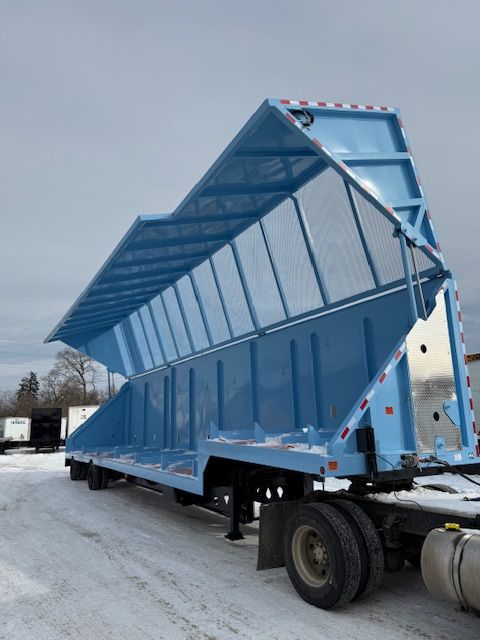
Have crush car carrier trailer to sell? List it here to reach thousands of buyers.
About Crush Car Carrier Trailers in Illinois
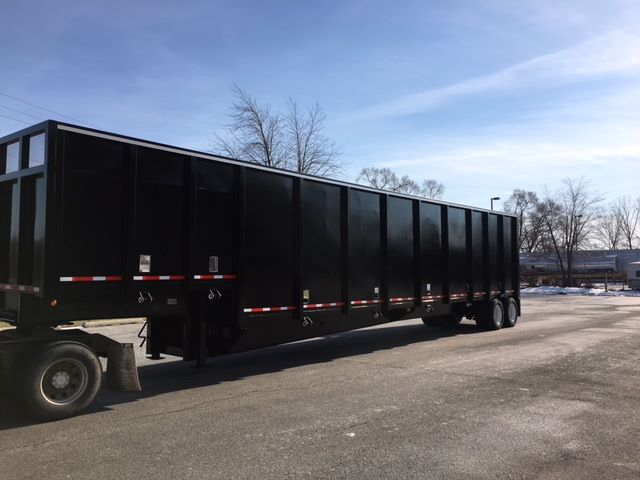
Buyers should pay close attention to deck length, sidewall design, rear gate setup, and tarp system. Common lengths include 48-foot and 53-foot trailers, with rear loading arrangements that may use a folding gate or a hydraulic-assisted gate for faster cycles in the yard. A mash tarp system is common on crushed car carriers because it helps contain lighter debris and loose scrap during transport. Hydraulic folding mechanisms, 12-volt pump systems, and cylinder condition are worth inspecting closely, especially on used trailers that see frequent loading and unloading in salvage operations.
Running gear condition has a direct effect on uptime and operating cost. Tires, brakes, suspension, wheel ends, lighting, and air system condition deserve the same scrutiny as the body itself. Many scrap haulers also look for practical features such as LED lights for durability, PSI tire inflation systems to help manage tire wear, and flooring or structural repairs that indicate how the trailer has been maintained. Because these trailers work in harsh environments, check crossmembers, kingpin area, suspension hangers, gate hinges, tarp bows, and any high-wear contact points for signs of cracking, twisting, or repeated impact damage.
In Illinois, a crush car carrier trailer is often used in regional scrap lanes, auto recycling, and short-to-mid haul industrial work where quick loading and unloading matter more than cosmetic condition. The right trailer balances containment, legal payload, and ease of operation in the yard. Buyers comparing listings should focus less on paint and more on structural integrity, gate function, tarp operation, brake life, tire condition, and overall DOT readiness. A well-spec'd crush car carrier can be a productive niche trailer for salvage and recycling fleets that need purpose-built equipment instead of adapting a general-purpose trailer.
Frequently Asked Questions
What is a crush car carrier trailer used for?
A crush car carrier trailer is designed to haul crushed vehicles, scrap metal, and loose automotive salvage. Its structure provides more containment than a conventional flatbed, which helps keep irregular scrap loads secure during transport. These trailers are commonly used by auto recyclers, salvage yards, and scrap haulers moving material between processing locations, shredders, and recycling facilities.
What should I inspect first on a used crush car carrier trailer?
Start with the trailer structure and containment components. Inspect the frame, crossmembers, kingpin area, suspension mounts, sidewalls, gate hinges, and deck for bending, cracking, or impact damage. After that, check the tarp system, hydraulic gate components, brakes, tires, lights, wheel ends, and air system. On this type of trailer, structural condition and gate operation usually matter more than cosmetic appearance.
What lengths are common for crush car carrier trailers?
Common lengths in this category include 48-foot and 53-foot trailers, although exact dimensions vary by manufacturer and body style. The right length depends on your operating area, the type of scrap you haul, and how you load in the yard. Longer trailers can improve volume, but buyers still need to consider bridge laws, axle spacing, turning radius, and legal height once crushed vehicles are stacked and tarped.
Are hydraulic folding gates worth having on a crush car carrier?
For many operations, yes. A hydraulic folding gate can reduce loading time, improve yard efficiency, and make the trailer easier to work with when handling irregular crushed vehicles. The tradeoff is added maintenance because pumps, cylinders, hoses, and electrical components all need to stay in working order. If a trailer has a hydraulic gate, inspect cycle speed, leaks, hinge wear, and overall function before purchase.
Why is a mash tarp important on this type of trailer?
A mash tarp helps contain light debris and loose material that can shift or blow out during transit. That is important for both safety and compliance, especially when hauling crushed vehicles mixed with small scrap and residue. Buyers should inspect the tarp fabric, folding mechanism, bows, arms, and attachment points because a damaged tarp system can create downtime and increase the risk of load containment issues.