
2022 CIMC Container Trailers For Sale
Shop 2022 CIMC container trailers and domestic containers. Compare 53-foot specs, floor ratings, construction details, and intermodal use cases.
Learn more
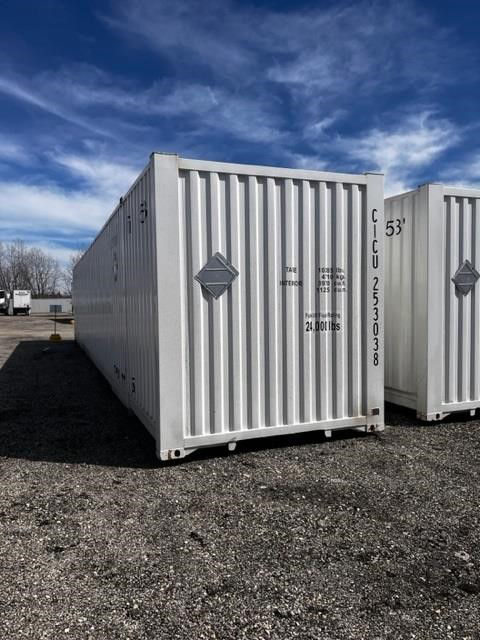
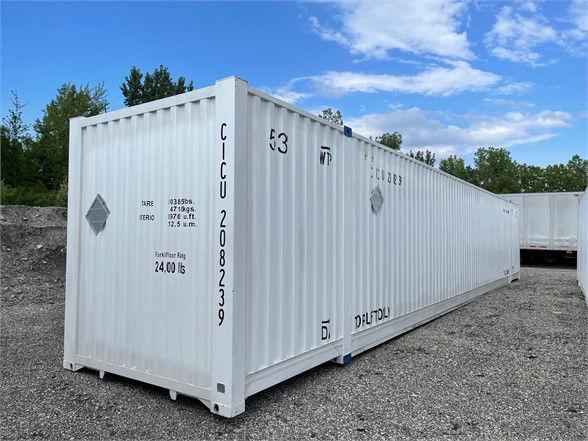
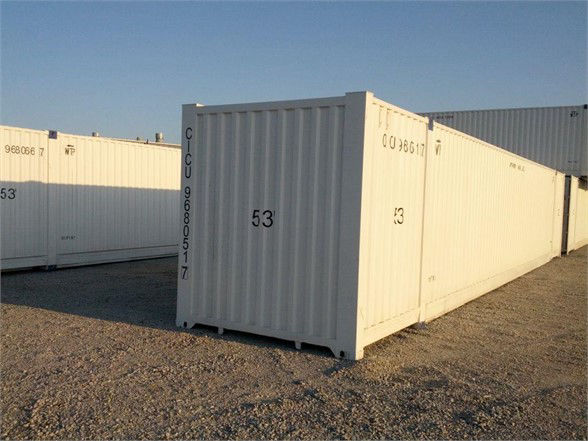
Have 2022 cimc container trailer to sell? List it here to reach thousands of buyers.
About 2022 CIMC Container Trailers
The first numbers to verify are usually size, floor rating, and structural design. Many 2022 CIMC domestic containers are 53 feet long, 8 feet wide, and about 9 feet 6 inches high, giving the high-cube interior volume most shippers expect. Common specs include a 24,000-pound floor rating, laminated hardwood floors around 1-1/8 inches thick, and high-strength steel used in crossmembers, outriggers, side rails, and main panels. Buyers should pay close attention to the gooseneck tunnel design, corner fittings, door frame condition, floor wear, and any evidence of forklift impact along the lower side walls. If the container will cycle heavily through ramps or stack yards, stacking capability and lifting strength at the top corner fittings are important details, not just brochure claims.
For operations, the key decision is how the container will be used in your network. A single-use or one-way domestic container can be a strong value if you need late-model equipment with limited wear for storage, dedicated freight lanes, or private fleet repositioning. These containers are not chassis themselves, but cargo boxes intended to move on a container chassis and through intermodal handling systems with twist locks and spreaders. That distinction matters because buyers should evaluate the box together with the chassis spec, terminal requirements, and route profile. Door sealing, roof condition, floor integrity, and CSC or domestic compliance markings can affect suitability for rail, warehouse storage, or depot service.
Compared with a standard van trailer, a container gives more flexibility in drop-and-store applications and intermodal transfer, but it also shifts your buying focus toward box construction, handling points, and compatibility with the equipment already in your fleet. A 2022 CIMC container can make sense for shippers, leasing companies, drayage operators, and private fleets that want standardized domestic capacity with modern materials and relatively recent build dates. The right unit is usually the one that matches your freight density, lift frequency, chassis pool, and expected yard life rather than simply the lowest initial price.
Frequently Asked Questions
What is the typical size of a 2022 CIMC domestic container?
Most 2022 CIMC container listings in this category are 53-foot domestic dry containers. A common exterior size is 53 feet long, 8 feet wide, and approximately 9 feet 6 inches high. That high-cube format is standard for domestic intermodal freight because it provides more cubic capacity than marine containers and fits the freight profiles used in North American retail, distribution, and warehouse networks.
Are CIMC container trailers the same as a trailer?
Not exactly. In many listings, the container itself is the cargo box, not a complete road trailer with running gear. It is designed to ride on a container chassis and be handled by cranes, reach stackers, or other intermodal equipment using corner castings and twist locks. Buyers should confirm whether they are purchasing only the container or a complete container-and-chassis setup, because that affects total operating cost and how the equipment can be used.
What should I inspect first on a used 2022 CIMC container?
Start with the floor, doors, roof, corner castings, and lower side structure. Check for forklift damage, soft spots or delamination in the floor, bent door frames, worn gaskets, and signs of impact around the gooseneck tunnel and bottom rails. Also review the crossmembers and understructure for corrosion or deformation. On a late-model domestic container, structural condition and handling-point integrity are often more important than cosmetic appearance.
What does single-use or one-way mean on a CIMC container listing?
Single-use or one-way generally means the container has had very limited service after its original delivery cycle. In practice, that can give buyers a cleaner box with less floor wear, less door fatigue, and fewer structural repairs than an older fleet unit. It does not mean the container is disposable. It means the unit has seen minimal prior use, which is often attractive for storage, dedicated lanes, and private fleet applications.
What freight is best suited for a 53-foot domestic CIMC container?
These containers are best suited for dry freight that benefits from intermodal transfer and high cube capacity. Common examples include palletized consumer goods, packaged food, retail replenishment, paper products, and warehouse distribution freight. They are especially useful in networks that combine highway drayage with rail movement, or where containers need to be dropped in a yard for temporary storage before unloading.