
2022 Container Trailers For Sale
Browse 2022 container trailers and containers, including dry, high-cube, domestic, and refrigerated units for freight, storage, and chassis use.
Learn moreBrowse Container Trailers by Make

Have 2022 container trailer to sell? List it here to reach thousands of buyers.
About 2022 Container Trailers
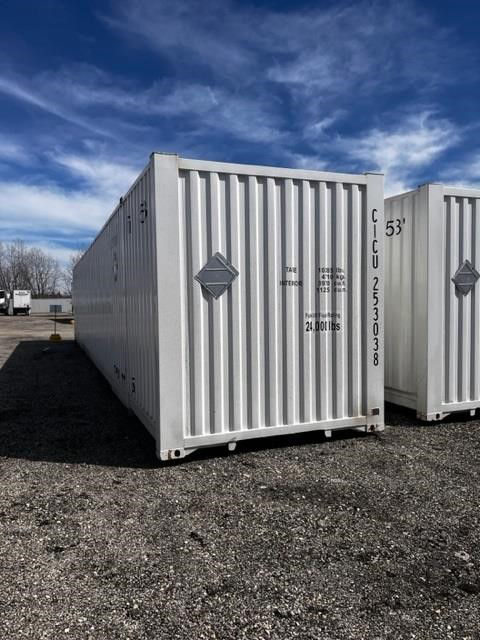
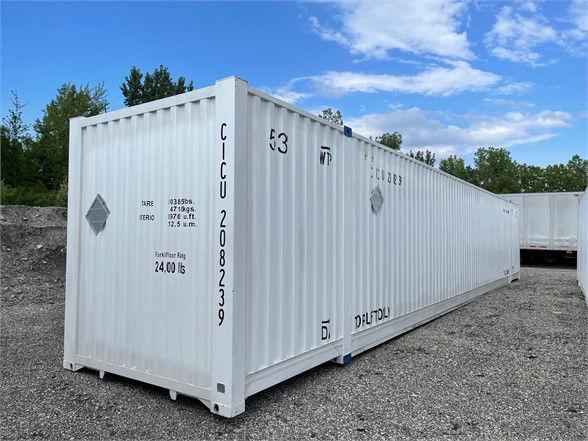
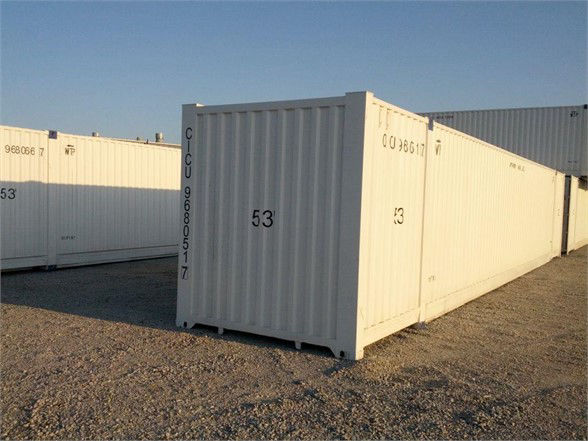
For dry freight applications, 53-foot domestic containers are popular because they maximize cube for regional and long-haul freight while remaining compatible with common container chassis setups. Many are built with steel construction, hardwood or laminated floors, gooseneck tunnels, and reinforced crossmembers designed for repeated lifting and stacking in yard environments. Floor strength matters if the freight includes dense palletized goods, beverages, paper, building materials, or other concentrated loads. High-cube containers add interior height and are useful when cube is more limiting than gross weight. If the unit will spend time off chassis as ground storage, check door seal condition, roof straightness, fork pocket configuration if equipped, and overall wind-and-water tight integrity.
For refrigerated container buyers, insulation performance, unit compatibility, and structural durability are the main issues. Reefer containers in this age range may use weight-saving construction while still offering strong thermal efficiency, but buyers should inspect the box as carefully as the refrigeration package. Look at panel condition, floor type, drain layout, door hardware, and power requirements for the reefer unit. A refrigerated container used in a static cold storage role may have different priorities than one cycling through regular drayage or over-the-road handling. In either case, corrosion resistance, galvanized components, and service support for the refrigeration system can affect long-term operating cost more than the initial purchase price.
Condition on 2022 container equipment varies widely even within the same year. Some units were placed into single-use service and saw very limited handling, while others may have worked hard in domestic fleets, ports, rail ramps, or storage yards. Corner posts, top rails, bottom rails, door frames, floors, and crossmembers deserve close inspection because damage in these areas affects stackability, lifting safety, and chassis fit. Buyers should also verify CSC plate information where relevant, payload needs, stacking requirements, and whether the container will be moved loaded at the top corner fittings or primarily used as storage. A well-matched 2022 container can deliver years of service in freight, export, jobsite storage, retail storage overflow, or cold chain applications with fewer surprises than an older unit.
Frequently Asked Questions
What should I look for when buying a 2022 container trailer or container?
Start with the intended application, then inspect structure and compatibility. Key checkpoints include size, cube, tare weight, floor rating, crossmember condition, corner castings, door seals, roof straightness, and floor wear. If the unit will ride on a chassis, confirm proper fit and lifting points. If it will be used for storage, wind-and-water tight condition and door operation may matter more than cosmetic appearance. Newer year alone does not guarantee light use, so handling damage and repair quality should be evaluated closely.
What is the difference between a 53-foot domestic container and a 40-foot shipping container?
A 53-foot domestic container is designed primarily for North American freight movement and offers more interior cube for palletized cargo. A 40-foot container follows ISO dimensions commonly used in international shipping and intermodal transport. Domestic containers are often preferred for regional and long-haul dry freight, while 40-foot units are common for export, port work, and storage. The right choice depends on chassis compatibility, route requirements, loading pattern, and whether maximizing cube or maintaining ISO interchangeability is more important.
Are high-cube containers worth considering on 2022 models?
High-cube containers are useful when volume is the limiting factor rather than payload. The added interior height helps with lighter, bulky freight and can improve storage efficiency for equipment, inventory, or seasonal goods. Buyers should still verify door opening dimensions, interior clearance, and any restrictions tied to transport route or chassis setup. In many operations, the additional cube justifies the small premium if the freight does not gross out before the container fills up.
How do I evaluate a 2022 refrigerated container?
Inspect both the container body and the refrigeration side. The box should have sound insulated panels, tight doors, a solid floor, clean drains, and no major structural damage. On the reefer side, confirm unit model, hours if available, power requirements, service history, and parts support. Thermal performance, corrosion protection, and panel integrity are just as important as whether the unit powers on, because poor box condition can undermine temperature control and raise operating cost.
Can a 2022 container be a good option for storage as well as freight?
Yes. Many 2022 containers are well suited for dual-purpose use if their structure remains sound. For freight service, lifting strength, chassis fit, and floor capacity are critical. For storage use, buyers typically focus on security, door function, weather resistance, and interior cleanliness. A newer container can be attractive for storage because it often has less floor fatigue, fewer repairs, and better sealing than older yard units, but inspection still matters because usage history varies significantly.