
Reefer Trailers For Sale in Colorado
Browse reefer trailers for sale in Colorado, including 53-foot refrigerated trailers with single-temp or multi-temp units and air ride suspensions.
Learn moreBrowse Reefer Trailers by Make
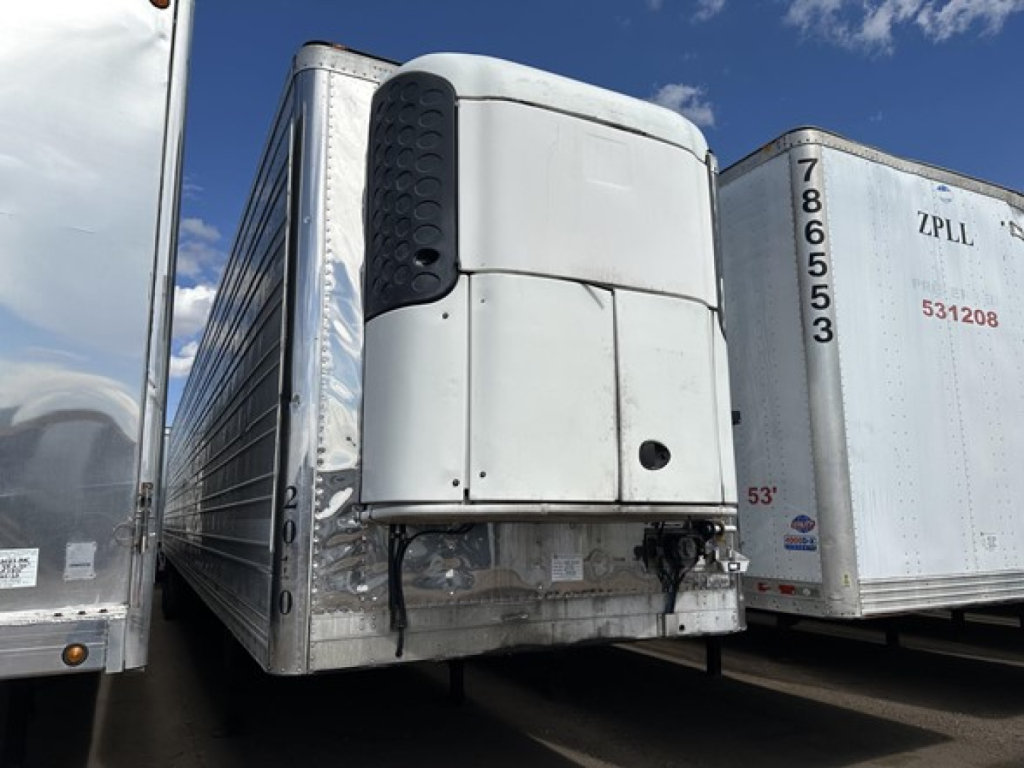
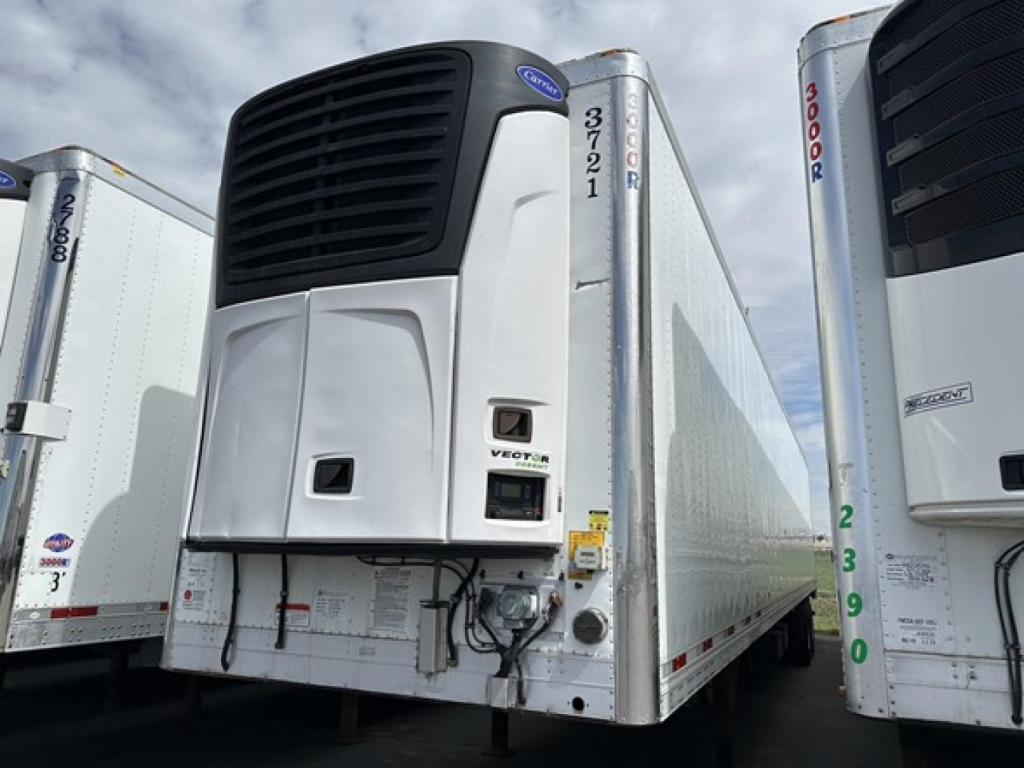
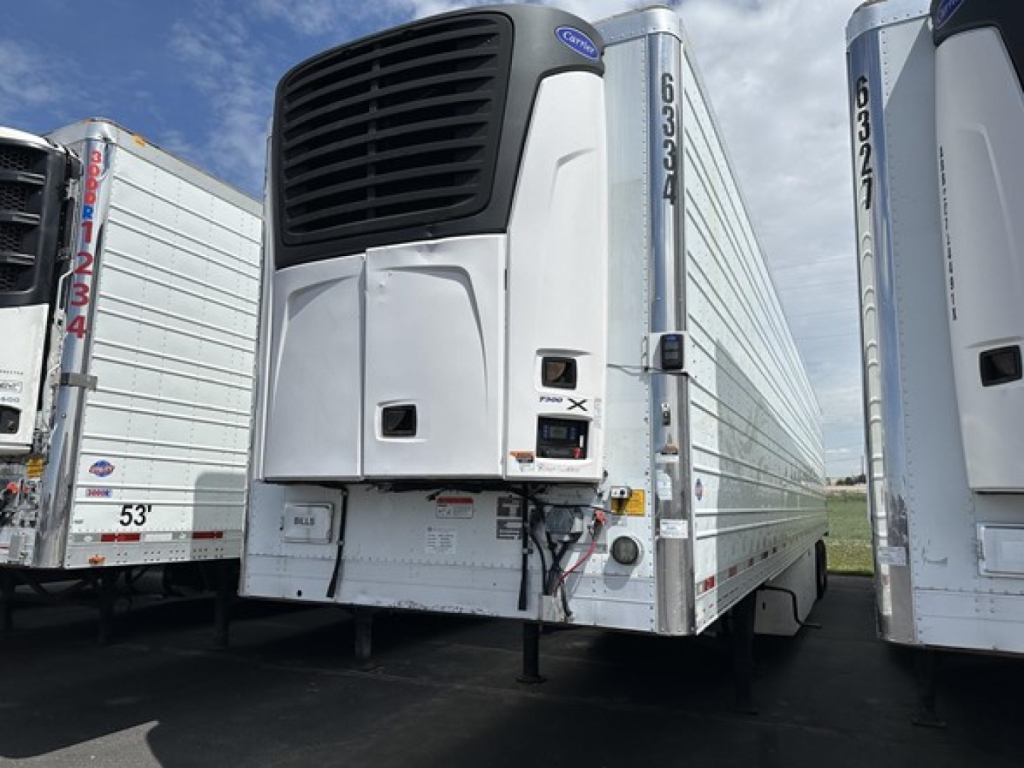
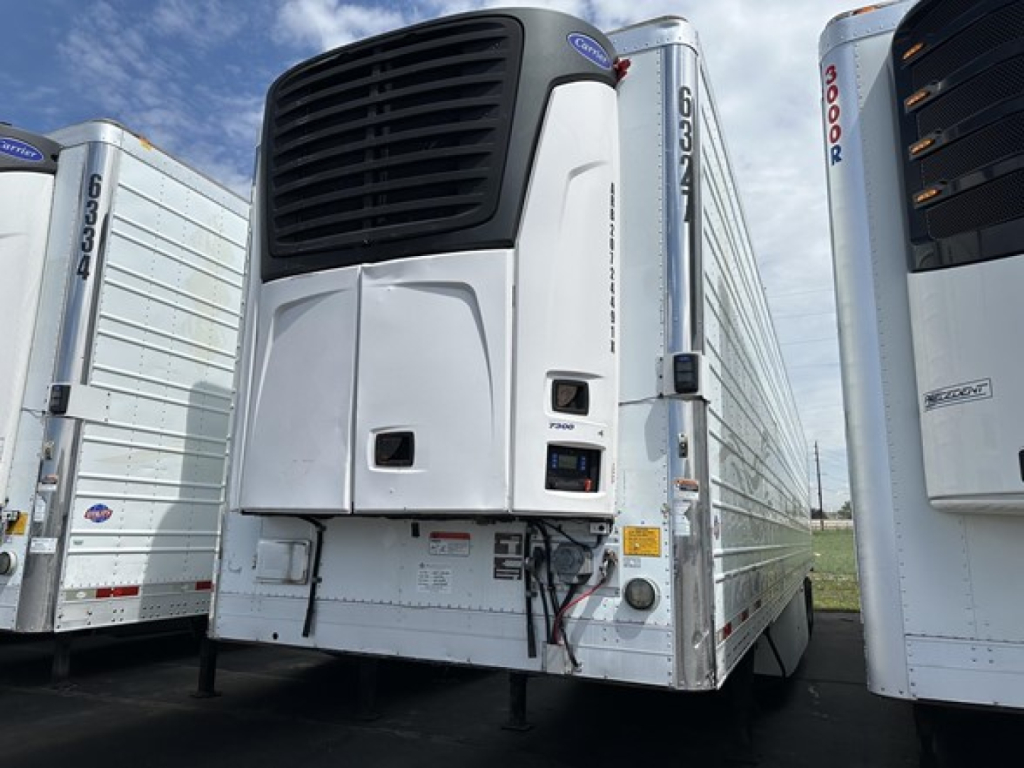
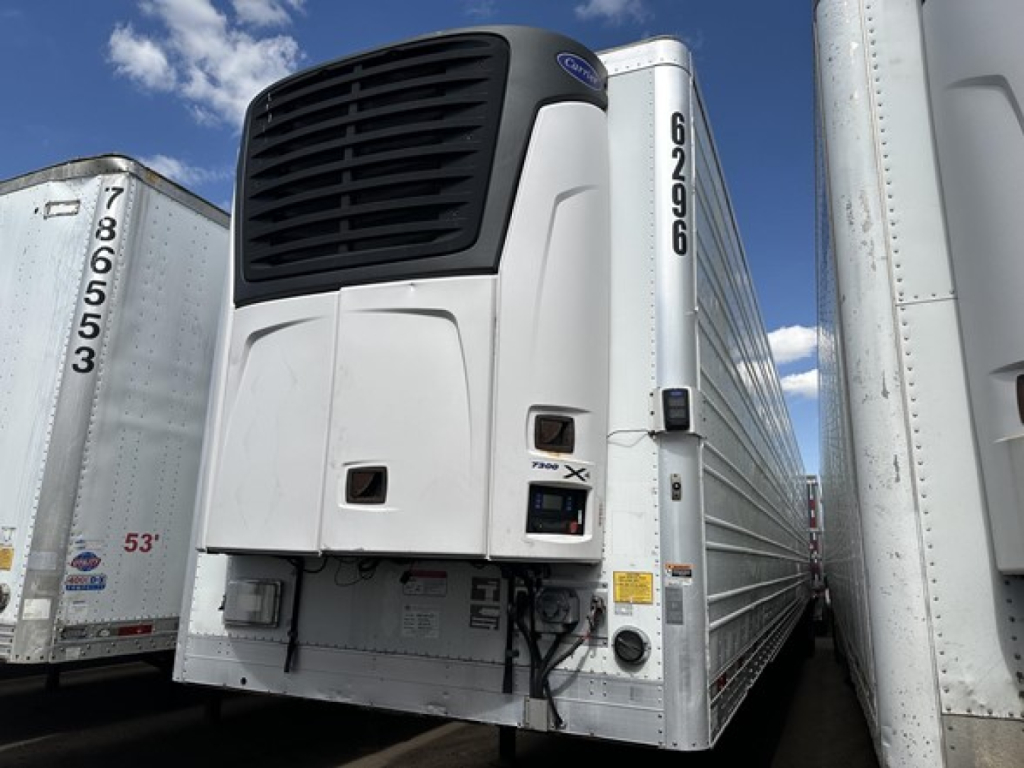
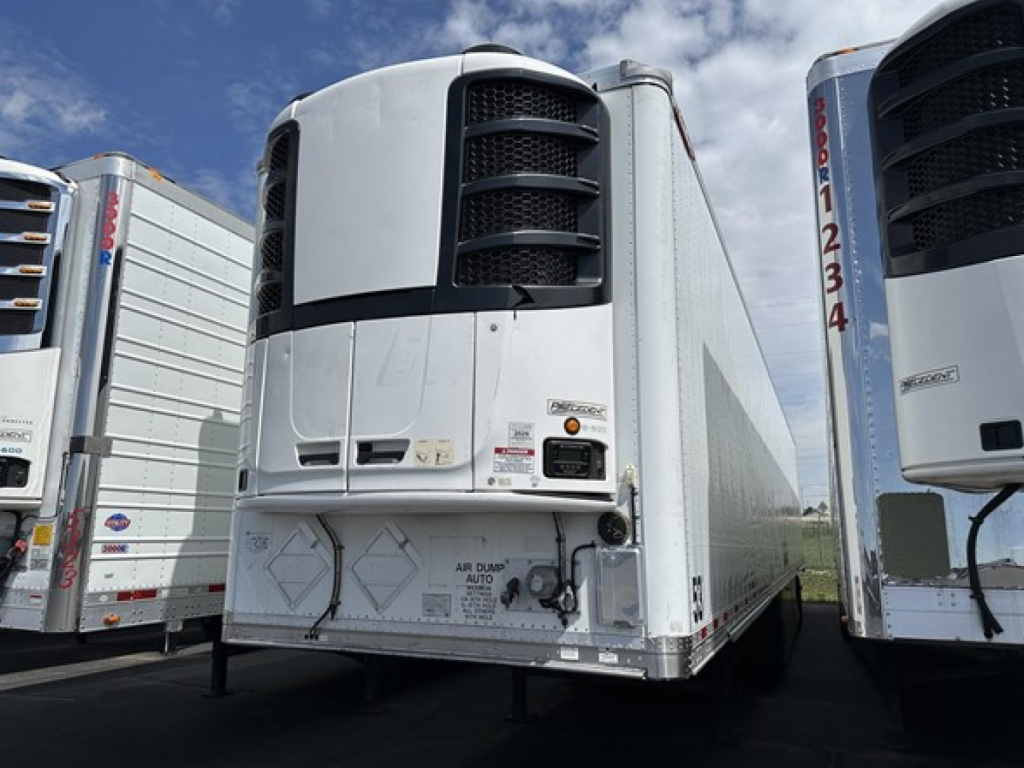
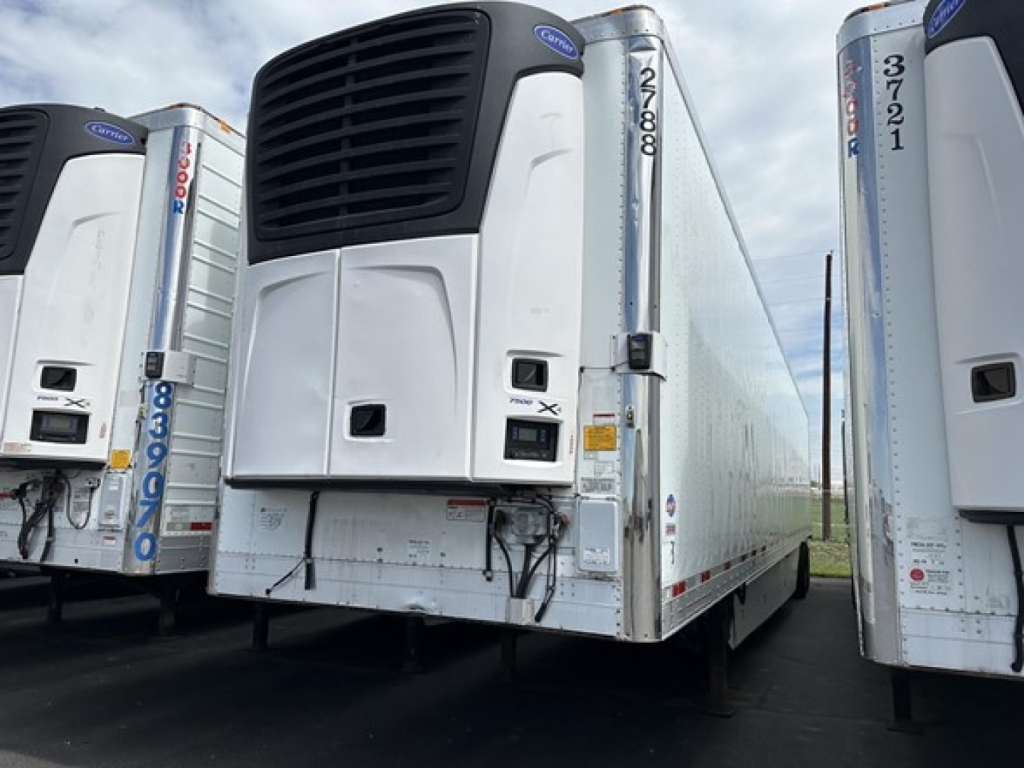
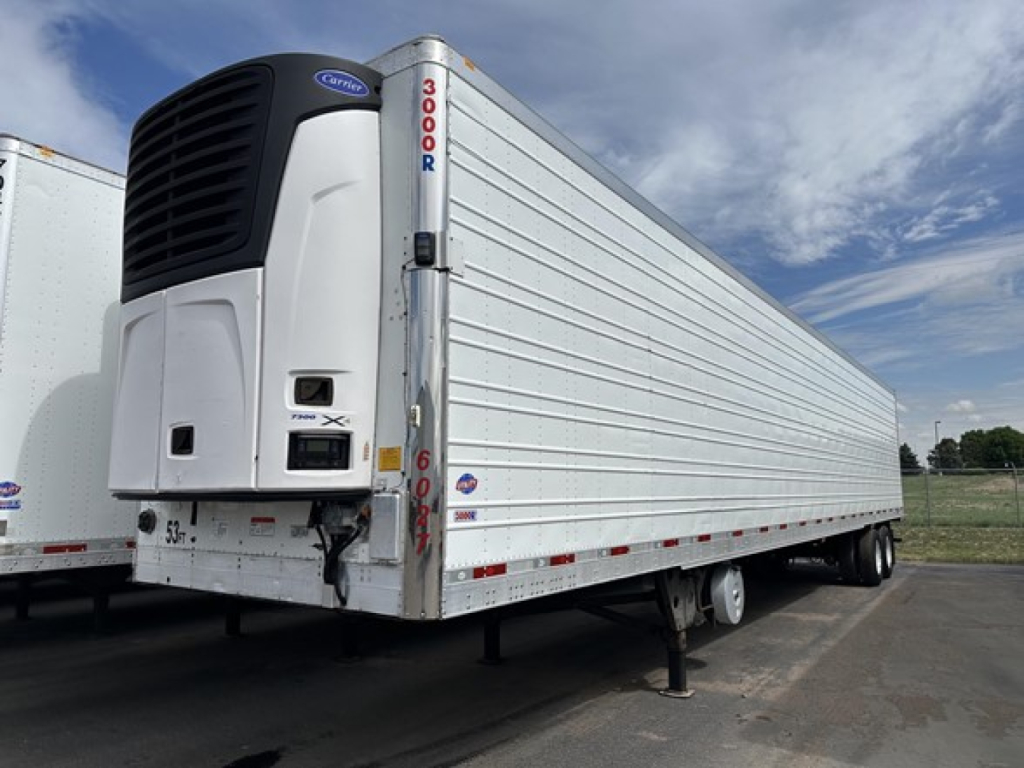
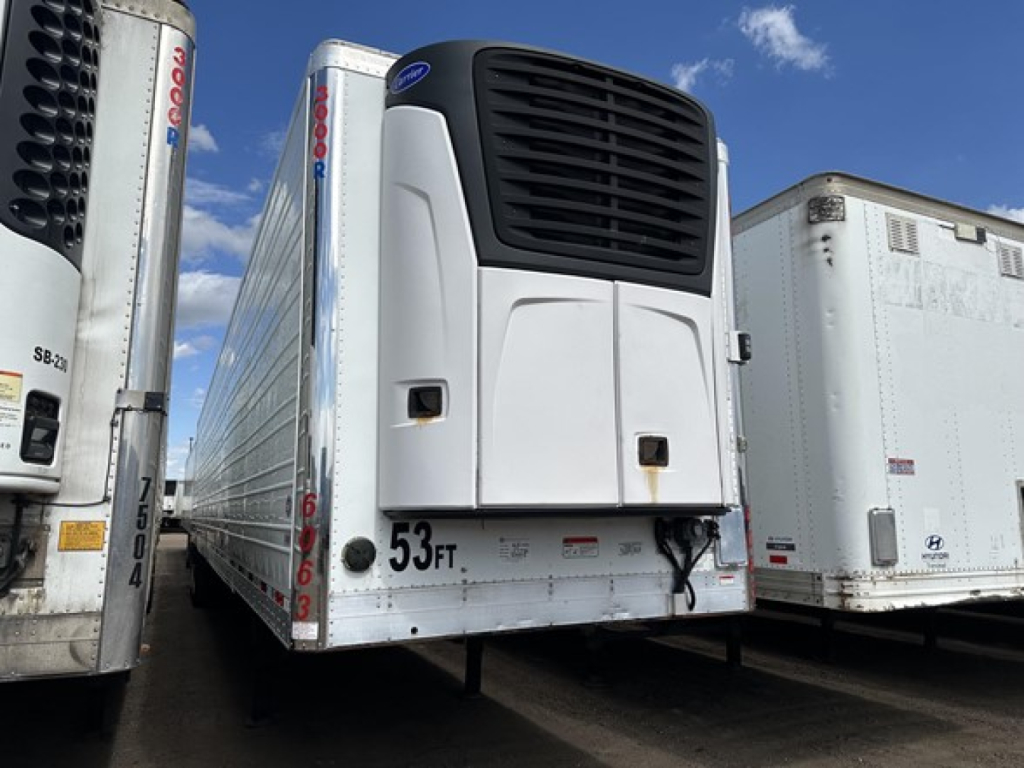
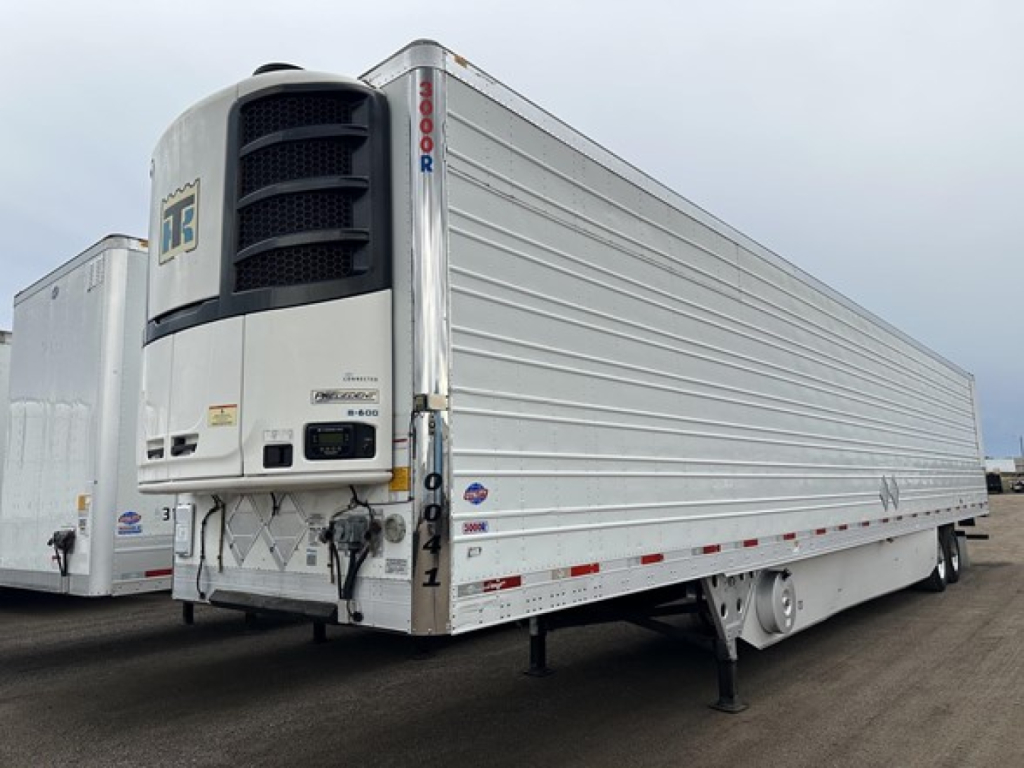
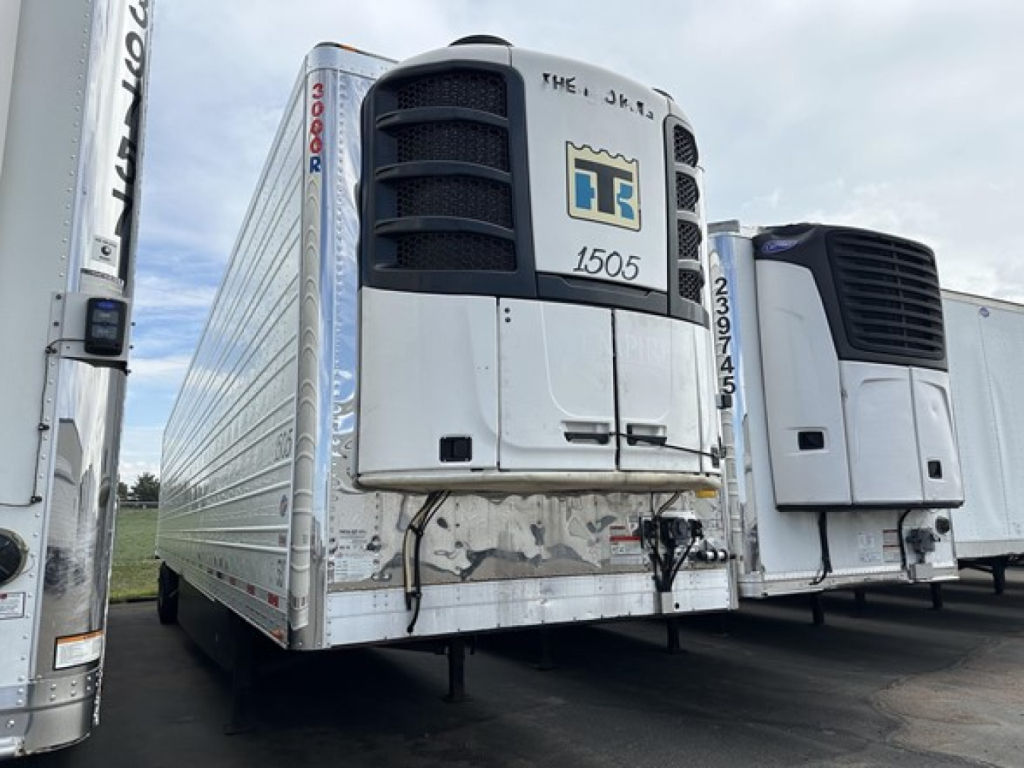
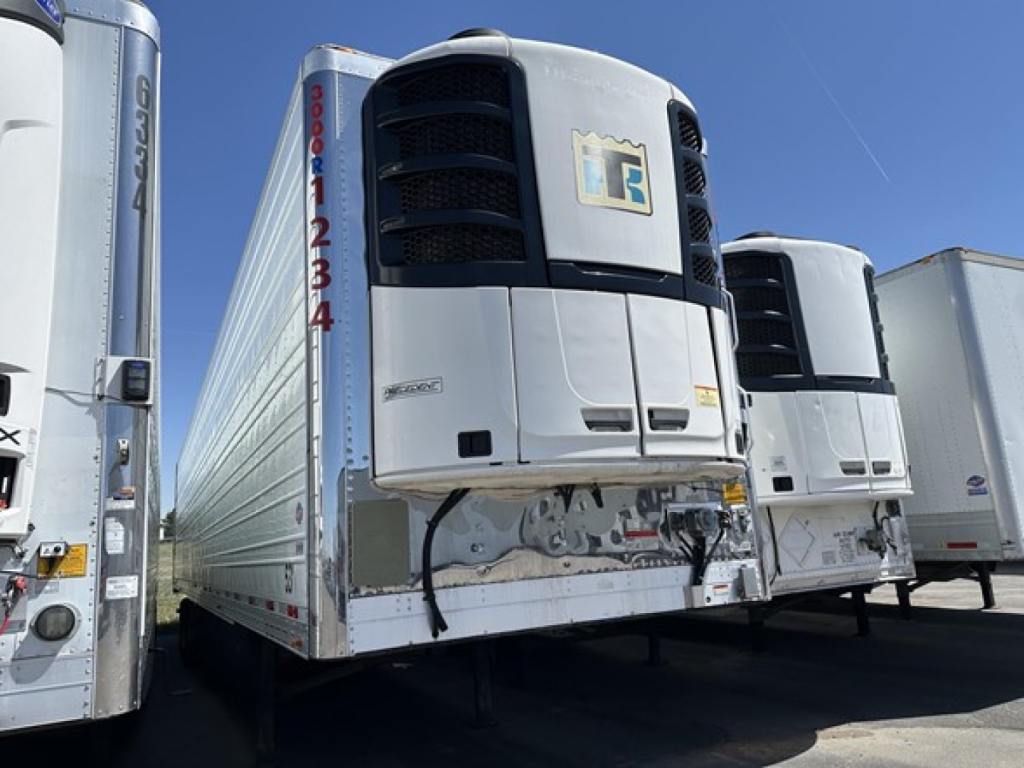
Showing 1 to 12 of 33 results
Have reefer trailer to sell? List it here to reach thousands of buyers.
About Reefer Trailers in Colorado
Trailer construction has a direct effect on payload, durability, and airflow. Aluminum duct floors and chute systems help move cold air the length of the box, which is important for consistent product temperature on full loads. Flat floors are more common in some specialty or roll-door configurations, especially when handling wheeled carts or frequent stop-and-drop work. Buyers should also compare scuff liners, interior wearband condition, rear door style, and panel construction. Swing doors are standard for long-haul and dock work, while roll-up doors can make sense on route delivery where fast access matters more than maximum insulation efficiency. Smooth or corrugated side panels, stainless front corners, and stainless rear frames all play into repair cost and long-term appearance.
Running gear and compliance specs are just as important as the box. Air ride suspension is common on reefer trailers because it helps protect sensitive freight and reduces shock loading, while sliding tandems give flexibility for bridge laws, dock positioning, and state-by-state weight distribution. Tire inflation systems, aluminum wheels, side skirts, disc brakes, and anti-dock-walk features are all worth comparing across listings because they affect operating cost, uptime, and driver satisfaction. Reefer unit brand also matters. Thermo King, Carrier, and newer hybrid systems each have their own service network, control logic, and parts considerations. Reefer hours, start-run capability, CARB compliance, and shore power provisions should all be reviewed closely, especially for fleets that run into California or operate high-cycle regional freight.
A good reefer trailer is more than a cold box. It needs to match the freight profile, loading method, maintenance plan, and lanes you actually run. Buyers in Colorado often look for clean airflow design, reliable unit history, and strong suspension specs because elevation, winter weather, and long interstate stretches can expose weak equipment quickly. If the freight includes produce, frozen foods, pharmaceuticals, floral, or foodservice distribution, pay close attention to insulation integrity, door seals, bulkhead condition, and evaporator layout. Those details have a direct impact on temperature recovery, cargo claims, and resale value.
Frequently Asked Questions
What should I look for first when buying a used reefer trailer?
Start with the refrigeration unit, the insulation integrity, and the floor design. Reefer hours, service records, start-run function, and temperature pull-down performance tell you more than appearance alone. After that, inspect the trailer body for air leaks, damaged scuff liners, poor door seals, floor wear, and signs of water intrusion. Suspension type, sliding tandem function, brake spec, and tire condition also affect total cost of ownership.
What is the difference between a single-temp and multi-temp reefer trailer?
A single-temp reefer trailer is designed to hold one set temperature throughout the trailer and is the standard choice for most full-truckload refrigerated freight. A multi-temp reefer uses movable bulkheads and multiple evaporators to create separate temperature zones inside the same trailer. That setup is useful for mixed loads such as frozen and chilled products on the same route, but it adds complexity in controls, maintenance, and loading practices.
Why is an aluminum duct floor important on a reefer trailer?
An aluminum duct floor helps move cold air from the refrigeration unit to the rear of the trailer, which improves temperature consistency across the load. It is especially important on dense, floor-loaded freight where blocked airflow can create warm spots. A duct floor also tends to hold up well in heavy use, though buyers should inspect for crushed channels, excessive wear, or repairs that can restrict airflow.
Do reefer hours matter as much as trailer age?
Yes. Reefer unit hours often matter more than model year when evaluating the refrigeration system. A newer trailer with a high-hour unit can require more immediate maintenance than an older trailer with lower hours and strong service history. Buyers should look at total reefer hours, whether the unit has been maintained on schedule, and whether major components such as compressors, alternators, and evaporator systems have been repaired or replaced.
What reefer trailer features are especially useful for Colorado operations?
Colorado operations often benefit from reliable air ride suspension, strong brake performance, good tire condition, and a refrigeration unit with proven pull-down capability in changing weather and elevation. Side skirts and aerodynamic equipment can help on long interstate runs, while tire inflation systems and sliding tandems add practical value for fleets covering varied routes. If the trailer may run outside Colorado, CARB-compliant refrigeration units and shore power capability can also be valuable.