
Chassis Trailers For Sale in Illinois
Shop chassis trailers for sale in Illinois. Compare 20 ft to 40 ft container chassis, axle setups, ratings, suspension, and DOT-ready specs.
Learn more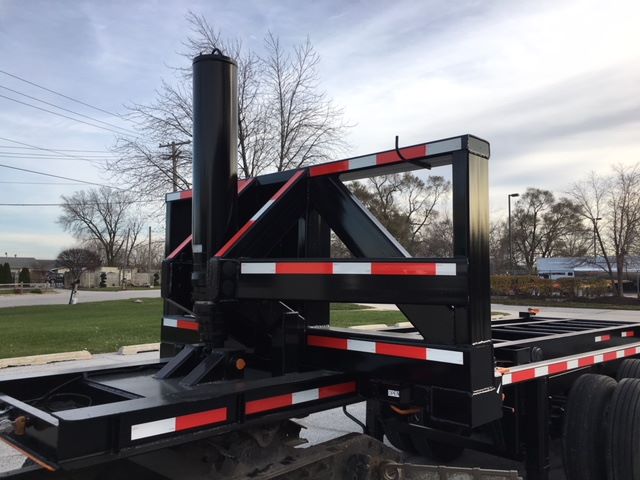
Have chassis trailer to sell? List it here to reach thousands of buyers.
About Chassis Trailers in Illinois
A buyer should pay close attention to frame condition, kingpin area wear, suspension type, brake spec, and overall corrosion, especially on used chassis that have seen rail or port service. Spring ride remains common for straightforward maintenance, while air ride can help with cargo protection and ride quality in certain applications. Tire condition, wheel-end service history, brake chambers, ABS function, lighting, and slider operation all affect uptime. On specialized units such as tipper chassis, hydraulic cylinder condition, subframe integrity, and hoist ratings matter just as much as standard running gear. Features like LED lights, radial tires, tire inflation systems, and recent brake work can reduce operating costs and improve road readiness.
Illinois operators also need to think about where and how the chassis will be used. A 20 ft chassis for dense local drayage has different priorities than a 40 ft unit running longer regional lanes. Tri-axle chassis can be useful for heavier container work, but they add complexity, tare weight, and tire expense. Twist locks, bolster placement, rear underride protection, landing gear condition, and electrical connections should all be checked against the container types being hauled. If the trailer will see rail service, terminal acceptance standards and interchange requirements are worth confirming before purchase.
Chassis trailers are also known simply as container chassis or intermodal chassis, and the right spec comes down to matching the trailer to the container, the freight, and the route. A lighter chassis can improve payload efficiency, but structural repairs, rust-through, or poor alignment can erase any savings quickly. Buyers comparing listings should focus on legal payload capacity, axle spread, brake and tire condition, frame straightness, and evidence of consistent maintenance. A chassis that is properly rated, structurally sound, and set up for the container lengths you move will usually deliver the best return in drayage, yard transfer, and short regional service.
Frequently Asked Questions
What is the difference between a chassis trailer and a regular flatbed trailer?
A chassis trailer is built specifically to carry intermodal shipping containers using container locks and a frame designed around standard ISO container dimensions. A flatbed is a more general-purpose trailer for machinery, building materials, and freight that can be secured directly to the deck. Chassis trailers do not offer the same deck utility as a flatbed, but they are faster and more efficient for containerized freight moving through ports, rail ramps, and distribution networks.
How do I choose between a 20 ft, 40 ft, or extendable chassis?
The correct choice depends on the container lengths you handle most often, your route restrictions, and your target payloads. A dedicated 20 ft chassis is common for heavy local container work, while a 40 ft chassis fits standard longer boxes used in intermodal service. Extendable or combo chassis can add flexibility for fleets handling multiple container sizes, but they also introduce more moving parts, added inspection points, and sometimes higher tare weight. The best fit is the one that matches your freight mix without adding unnecessary complexity.
When does a tri-axle chassis make sense?
A tri-axle chassis is typically considered when heavier container loads require better weight distribution or compliance with bridge and axle regulations on specific lanes. It can help support higher legal payloads in certain applications, but it also increases tire, brake, and maintenance expense compared with a tandem axle chassis. Buyers should confirm local and state weight rules, expected container weights, and customer requirements before stepping up to a tri-axle configuration.
What should I inspect first on a used chassis trailer?
Start with the frame rails, crossmembers, kingpin area, suspension mounts, and container lock points because structural condition drives both safety and repair cost. Then inspect brake components, ABS, wheel ends, tires, lights, landing gear, and electrical connections. Rust, poor weld repairs, misalignment, and uneven tire wear can signal hard service or deferred maintenance. A used chassis can still be a strong value if the structure is sound and the running gear has been maintained properly.
Are tipper chassis different from standard container chassis?
Yes. A tipper chassis is designed to raise the container for unloading bulk materials, so it includes hydraulic components and reinforced structural sections not found on a standard container chassis. That makes hoist condition, cylinder integrity, pivot points, and frame reinforcement critical inspection areas. Standard chassis are intended to transport containers only, while tipper chassis add unloading capability for applications such as scrap, aggregate, or other bulk commodity handling.