
Other Trailers For Sale
Browse other trailers for specialized hauling, support equipment, and custom applications, including spreader bars, chassis units, vans, and more.
Learn moreBrowse Other Trailers by Make

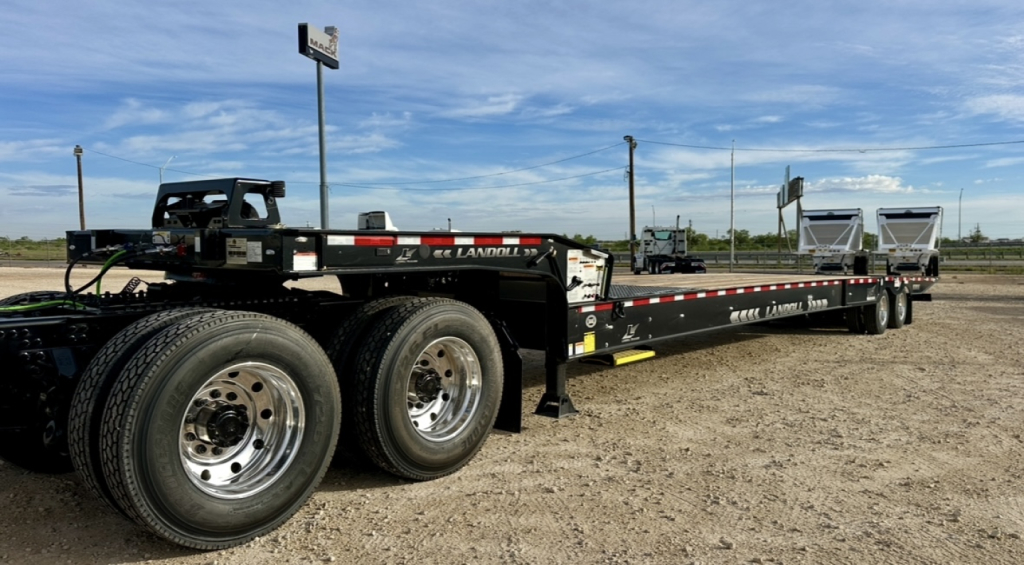
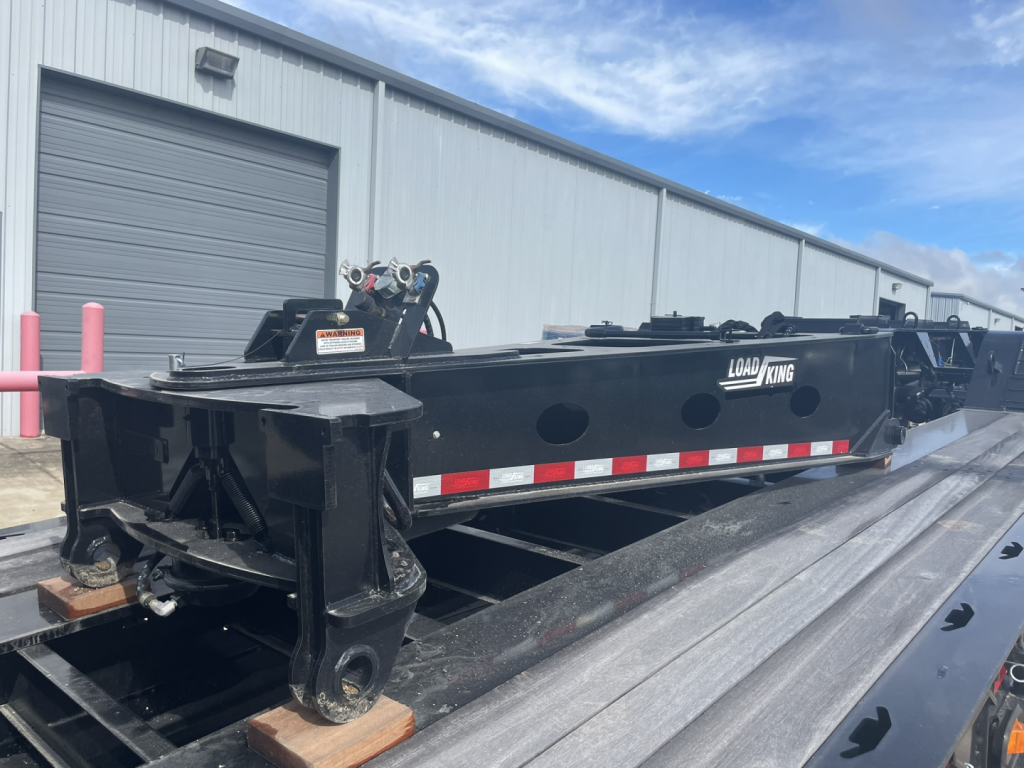
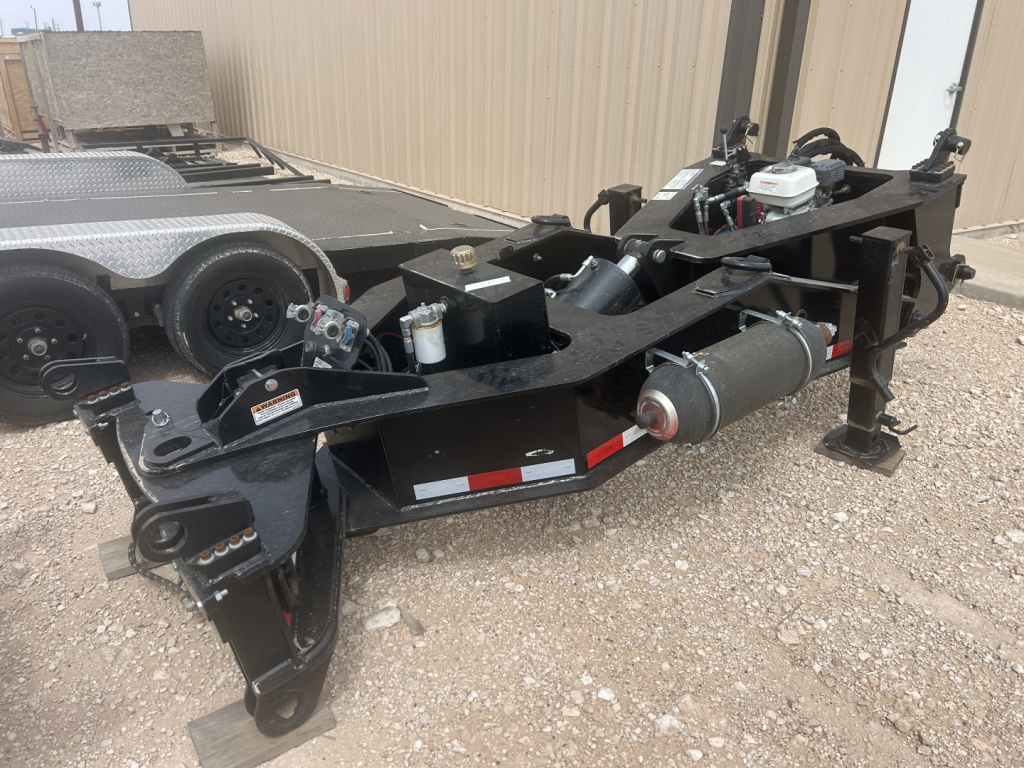
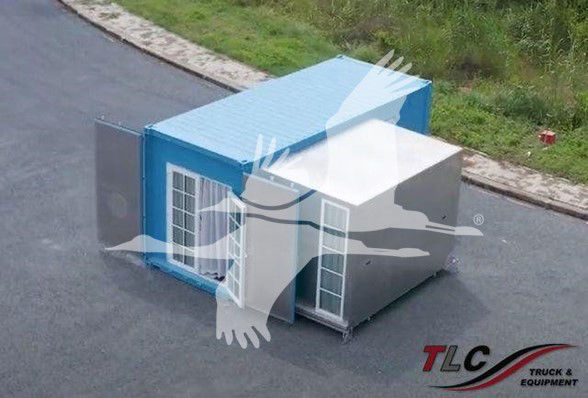
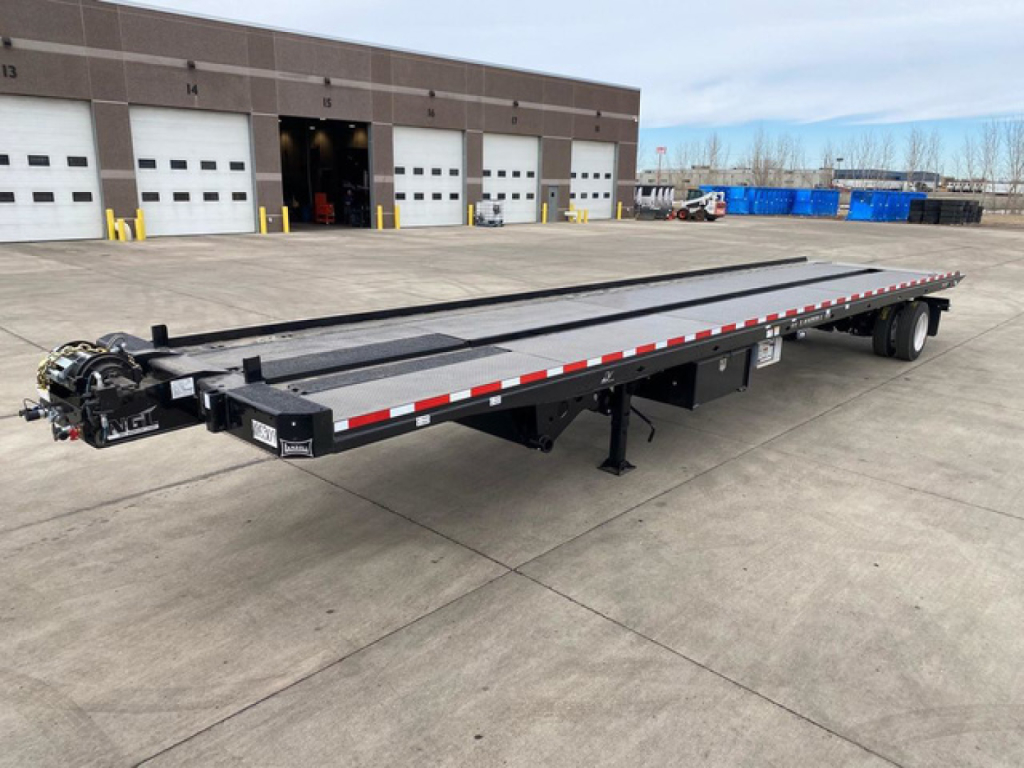
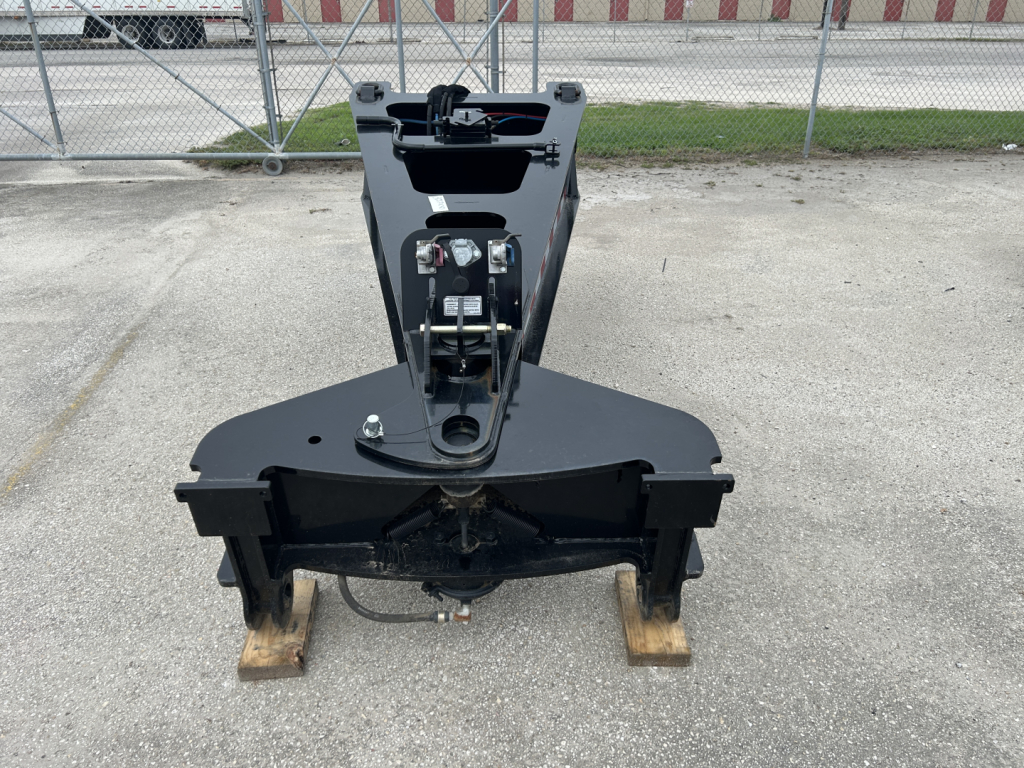
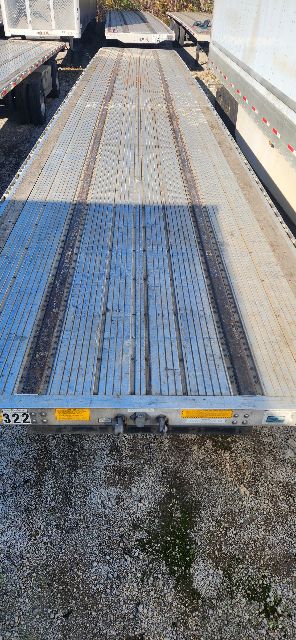
Showing 1 to 12 of 13 results
Have other trailer to sell? List it here to reach thousands of buyers.
About Other Trailers
For many buyers, the critical details are dimensional and interface-related. Overall length, width, deck or frame height, axle count, axle spacing, suspension type, and GVWR matter more here than cosmetics. If the trailer is part of a heavy-haul setup, check flip axle provisions, spreader compatibility, air and electrical hookups, lock pin design, and how the axle spacing affects bridge law compliance. If the unit is a specialty chassis or support trailer, verify what equipment is still installed, what has been removed, and whether systems like radiators, coolers, tanks, hydraulic components, or power packages remain intact and serviceable. Mixed-category trailers can be highly valuable, but only if the configuration matches your operation.
Construction and maintenance standards vary widely in this segment. You may see steel, aluminum, or combination builds, along with air ride or spring suspensions, standard 22.5 rubber, barn doors on enclosed units, wood or steel floors, and custom frame reinforcements. On used trailers, buyers should inspect for frame repairs, crossmember fatigue, neck or rear structure damage, suspension wear, brake condition, tire age, and signs of prior overloading. On specialty attachments and non-powered trailer components, make sure pin sizes, mounting points, air lines, and electrical connections match the trailer and tractor setup already in your fleet.
This category rewards buyers who read specifications closely. A non-standard trailer can solve a very specific transport problem, improve payload distribution, or support a dedicated field application better than a general-purpose trailer. It can also create downtime if axle spacing, permit requirements, loading method, or equipment interfaces are wrong. The best approach is to evaluate these trailers by use case first, then by structural condition, legal dimensions, and replacement-part support. When the specs line up with the work, specialty trailers in this class can be some of the most productive assets in a fleet.
Frequently Asked Questions
What types of equipment are usually listed under other trailers?
Other trailers typically include specialty or non-standard units that fall outside the main trailer classes. Common examples include spreader bars, heavy-haul attachments, custom chassis trailers, oilfield support trailers, equipment packages mounted on trailer frames, and enclosed or open units with uncommon configurations. The category is broad, so buyers should focus on the trailer’s exact function, dimensions, and installed equipment rather than relying on the category name alone.
What should I verify first when buying a specialty trailer?
Start with application fit. Confirm the trailer’s intended use, rated capacity, axle configuration, overall dimensions, frame design, and connection points. If it is part of a heavy-haul combination, verify kingpin or hitch compatibility, flip axle acceptance, axle spacing, air and electrical provisions, and any bridge law or permit implications. If it is a support or process trailer, confirm which mechanical systems are included and which components have been removed or decommissioned.
Are spreader bars and flip axle components considered trailers?
In many marketplace listings, they are grouped into the trailer category because they are integral to trailer operation and load distribution in heavy-haul applications. A spreader bar is not a standalone general freight trailer, but it is a critical structural component that changes axle spacing and helps configure a lowboy or beam trailer for legal weight distribution. Buyers need to verify ton rating, width, pin and lock design, air and electrical hookups, and compatibility with the base trailer and flip axles.
How do I inspect a used trailer in this category?
Inspect the frame, welds, crossmembers, suspension, brakes, tires, hubs, lights, and all mounting or attachment points. Look closely for stress cracking, repaired damage, corrosion, elongated pin holes, and signs of chronic overloading. On enclosed units, inspect the roof, floor, and door hardware. On specialty support trailers, inspect tanks, coolers, plumbing, wiring, hydraulic circuits, and engine or pump mounts if equipped. A mixed-category trailer often has custom fabrication, so repair quality and parts support are especially important.
Why does axle spacing matter so much on other trailers?
Axle spacing directly affects legal load distribution, permit planning, and how the trailer performs with heavy or concentrated loads. On specialized trailers and attachments, the spacing between the trailer axle group and any flip axle or jeep can determine whether the setup meets bridge formula requirements in a given state. Incorrect spacing can limit payload, require a different permit strategy, or make the trailer unusable for the job it was purchased to perform.