
New Vacuum Tank Trucks For Sale
Shop new vacuum tank trucks built for liquid waste, septic, industrial cleanup, and hydro excavation with heavy-duty chassis and PTO-driven systems.
Learn more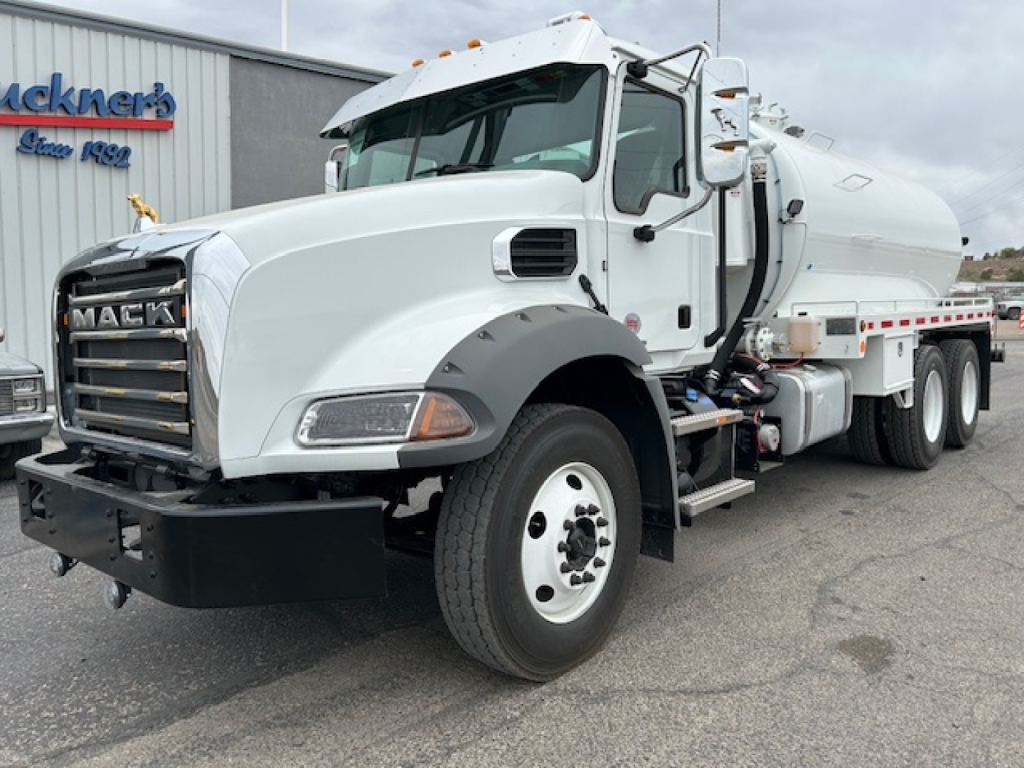
Have new vacuum tank truck to sell? List it here to reach thousands of buyers.
About New Vacuum Tank Trucks
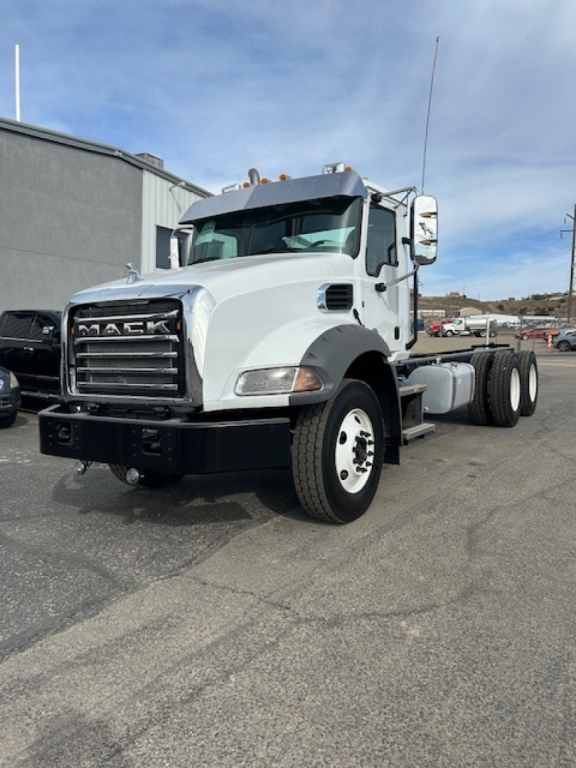
On the truck side, common builds use a tandem axle chassis with GVWRs in the severe-duty range, often paired with big-bore diesel engines and automated manual or heavy-duty automatic transmissions. A setup with 450-plus horsepower, a deep reduction transmission, strong rear suspension, and a 46,000 lb rear axle rating is typical for demanding stop-and-go routes, off-pavement access, and loaded starts. Wheelbase matters because it affects tank length, bridge law compliance, turning radius, and weight distribution. Buyers should also look closely at PTO compatibility, frame reinforcement, brake package, rear ratios, and whether the suspension is tuned more for highway stability or rough service. These details have a direct impact on pump operation, drivability, and long-term durability.
The tank and vacuum system deserve as much attention as the chassis. Capacity is usually measured in gallons, but the more important question is usable payload after the truck is fully equipped. Tank material can be steel, stainless, or aluminum depending on corrosion concerns and service environment. Internal and external coatings, rear door design, hydraulic hoists, boom options, washout features, and filtration all affect service life and cleanup time. Pump choice is critical. Buyers commonly compare liquid ring and rotary vane systems based on required airflow, vacuum depth, maintenance needs, and tolerance for wet material. If the truck will support hydro excavation, jetting, or combination sewer cleaning, water capacity, blower performance, and auxiliary systems become part of the buying decision.
A new vacuum tank truck makes the most sense when uptime, compliance, and application-specific spec matter more than a generic tank build. DOT requirements, axle laws, local disposal rules, and any hazardous material exposure should be considered before settling on capacity or component layout. The strongest value in this category usually comes from matching the truck to the route and material stream: short urban septic stops, municipal basin cleaning, plant shutdown work, or heavier industrial recovery all demand different priorities. A properly spec'd new vac truck should deliver stable weight distribution, reliable PTO engagement, easy tank cleanout, and enough pump and chassis capacity to stay productive for years.
Frequently Asked Questions
What is the difference between a vacuum tank truck and a septic truck?
A septic truck is a type of vacuum tank truck, but the term vacuum tank truck is broader. Septic trucks are typically configured for pumping and hauling septic waste from residential or commercial systems. Vacuum tank trucks can also be set up for municipal sewer cleaning, industrial vacuum service, oilfield support, catch basin work, and non-hazardous liquid waste transport. The main differences are usually tank material, pump type, filtration, hose and boom setup, and any added water or jetting systems.
What should I look at first when buying a new vacuum tank truck?
Start with the application, then match the chassis and tank system to it. The key questions are what material is being handled, how much volume is moved per trip, how far the truck travels loaded, and what the jobsite conditions look like. From there, compare GVWR, axle ratings, wheelbase, horsepower, transmission, PTO setup, tank capacity, and pump type. A truck that is ideal for septic routes may be inefficient for industrial sludge or hydro excavation, so application fit matters more than headline capacity alone.
Which vacuum pump type is better for a vac truck?
The better pump depends on the material and duty cycle. Rotary vane pumps are common for general liquid waste and septic service because they are proven, relatively simple, and effective in many standard vacuum applications. Liquid ring pumps are often preferred when handling wetter material or when operators want a system that tolerates moisture more easily. Buyers should compare airflow, achievable vacuum, maintenance intervals, rebuild cost, and how the pump performs in the actual operating environment rather than choosing by name alone.
How do axle ratings and wheelbase affect vacuum tank truck performance?
Axle ratings and wheelbase directly affect payload, legality, and handling. A vacuum tank truck carries a moving liquid load, so proper weight distribution is critical for stability and axle compliance. A tandem rear axle setup with a heavy rear suspension is common because it supports larger tanks and tougher service. Wheelbase influences turning radius, bridge compliance, tank placement, and how the load sits across the front and rear axles. An incorrect wheelbase can limit usable capacity even if the tank itself is large.
Are new vacuum tank trucks used only for waste hauling?
No. Many are used for waste hauling, but the category covers a wider range of liquid and material recovery work. Depending on the build, a vacuum tank truck may be used for septic pumping, grease trap service, storm drain cleaning, environmental remediation, industrial plant cleanup, drilling support, and hydro excavation support. Some units are built as straight vacuum haulers, while others add water systems, jetting components, or combination cleaning equipment for more specialized work.