
New Utility Flatbed Trailers For Sale in New Mexico
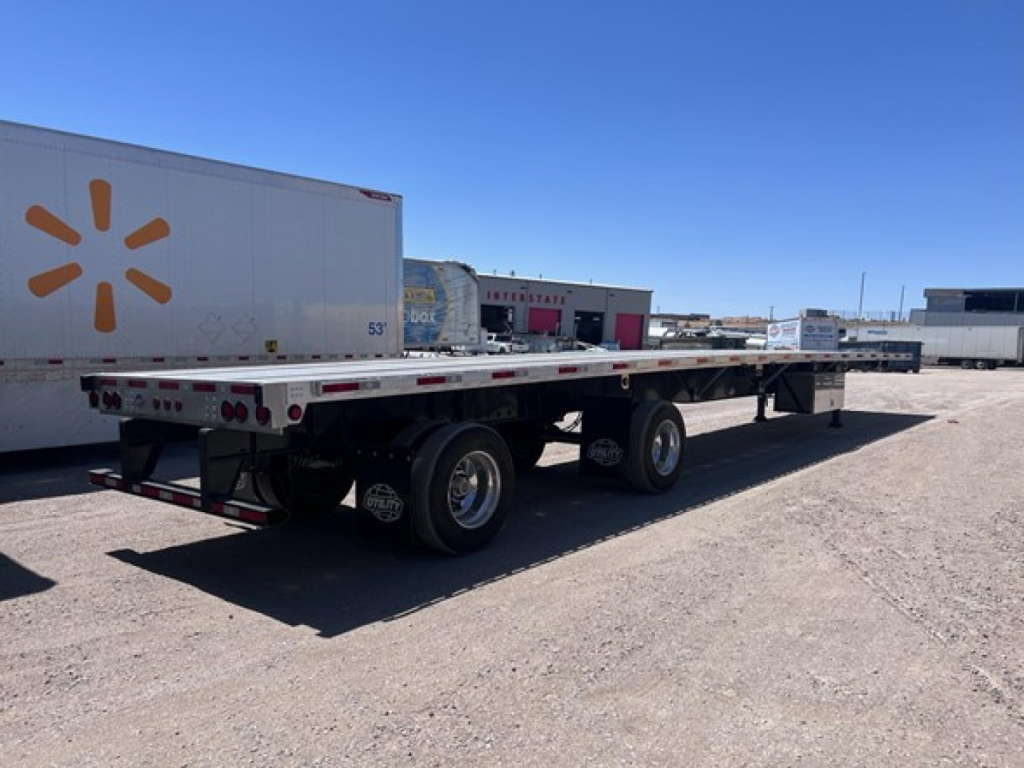
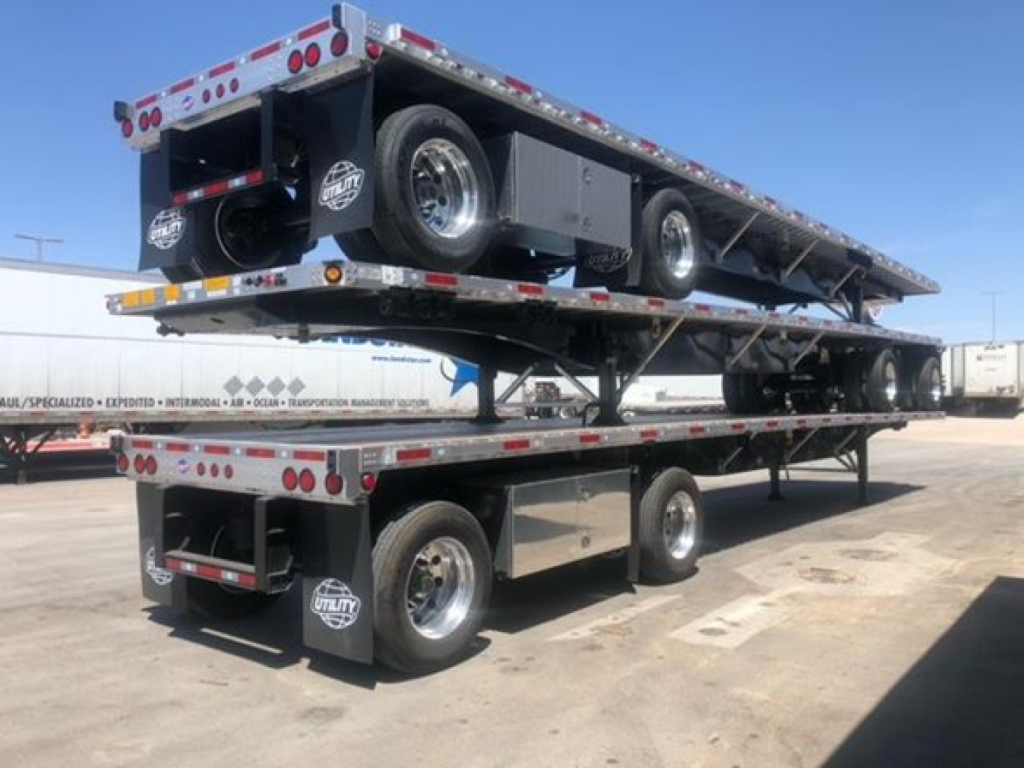
Shop new Utility flatbed trailers with combo construction, coil packages, sliding winches, air ride suspensions, and road-legal specs.
Learn more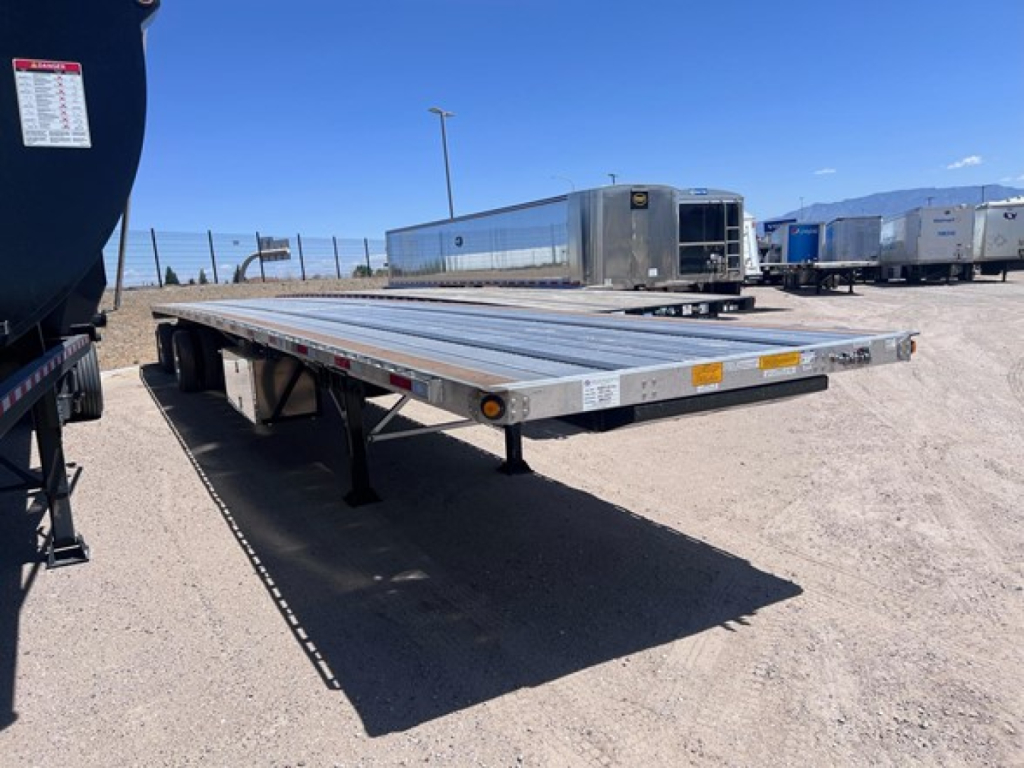
Have new utility flatbed trailer to sell? List it here to reach thousands of buyers.
About New Utility Flatbed Trailers in New Mexico
A lot of buyers compare these trailers by length, axle layout, and deck setup before anything else. Common configurations include 48-foot and 53-foot by 102-inch wide platforms, with tandem or spread axle arrangements depending on freight mix and state bridge laws. In New Mexico and across the Southwest, axle positioning, California-legal setups, and rear slide axle options can all affect where and how the trailer runs. Air ride suspension is a major plus for more fragile or higher-value loads, while an air pin slider can make axle adjustments quicker when load placement or state compliance is a factor.
Securement package is where one flatbed can separate itself from another. Buyers often look for stake pockets, sliding winches, winch tracks on both curb and road side, nail strips, and double pipe spools because these features support a wider range of loads and tie-down methods. A coil package is especially important for steel haulers, and the rating matters if you expect concentrated load weight in the deck. Tool boxes, electric dump valves, low-profile 22.5 tires, and wheel material choices also affect daily usability, service access, and loaded deck height. On Utility flatbeds, these are the details that shape how quickly a trailer can be turned between different jobs.
For many fleets, a new Utility flatbed is less about flashy options and more about buying a proven spec that fits freight lanes, loading practices, and maintenance routines. Buyers should verify empty weight, deck type, crossmember design, suspension, axle spread, tire size, and any specialized freight package before comparing price alone. A trailer that is correctly spec'd for coil, pipe, dimensional lumber, or machinery freight usually performs better over time than a lighter or cheaper platform built for a narrower application.
Frequently Asked Questions
What is a Utility combo flatbed trailer?
A Utility combo flatbed trailer is a flatbed built with mixed materials, usually steel main beams combined with aluminum crossmembers, rails, and deck components. This design is intended to keep structural strength where it is most critical while reducing overall trailer weight. For many buyers, that means a better balance between durability and payload capacity than an all-steel platform.
What length and axle configuration should I look for in a new flatbed trailer?
The right setup depends on freight type, lane requirements, and bridge law considerations. A 53-foot tandem axle trailer is common for general freight and broad load compatibility, while a 48-foot configuration may better fit certain regional operations or weight distribution needs. Spread axle and sliding rear axle designs can help with bridge compliance and load placement, but they also affect maneuverability, tire wear, and maintenance priorities.
Why is a coil package important on a flatbed trailer?
A coil package reinforces the trailer for concentrated weight from steel coils and is one of the most important specs for metal hauling. The package rating matters because a flatbed carrying dense freight needs the right structural support in the deck and frame area. Even if coil hauling is not your primary use, a properly rated coil package can widen the trailer's application range for heavier commodity work.
What securement features matter most on a flatbed?
The most useful securement features are the ones that match the freight you handle every week. Sliding winches, dual-side winch tracks, stake pockets, pipe spools, and nail strips give drivers more flexibility when securing pipe, lumber, machinery, steel, and palletized loads. Buyers should pay attention not just to the number of securement points, but also to how accessible and durable they are in everyday loading conditions.
Is air ride suspension worth it on a new Utility flatbed trailer?
Air ride suspension is often worth the added cost if the trailer will haul higher-value freight, freight sensitive to road shock, or mixed loads with varying weight placement. It typically provides better ride quality than mechanical suspension and can improve cargo protection. For many fleets, air ride also supports better resale appeal, especially on general freight flatbeds used across multiple applications.