
New Hino Hooklift Trucks For Sale
New Hino hooklift trucks for sale. Learn key specs, hoist capacity, GVWR, chassis choices, and what to compare before buying.
Learn more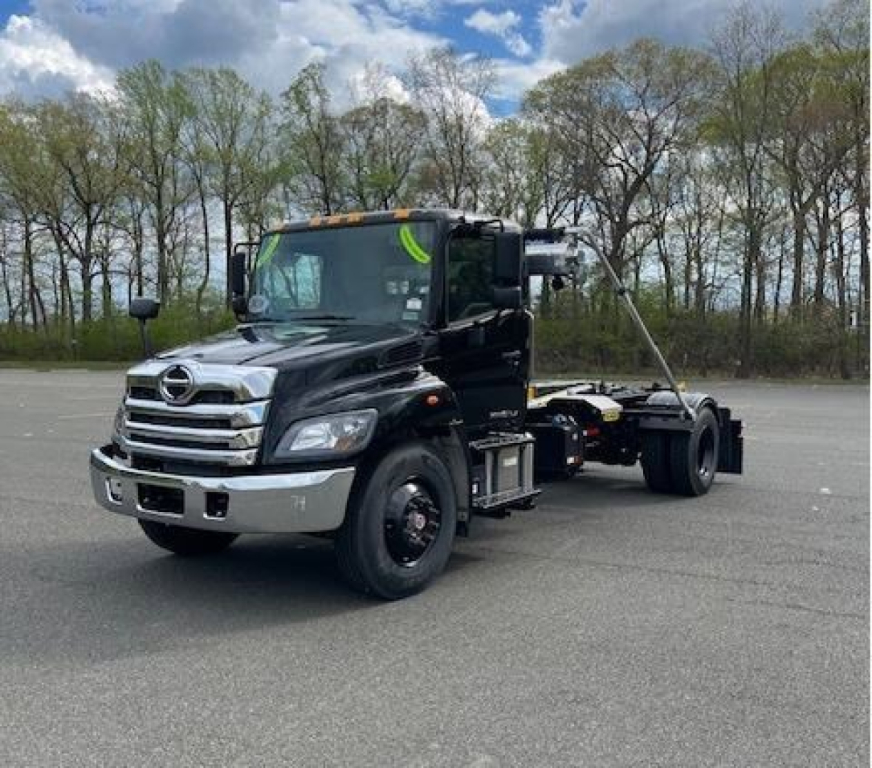
Have new hino hooklift truck to sell? List it here to reach thousands of buyers.
About New Hino Hooklift Trucks
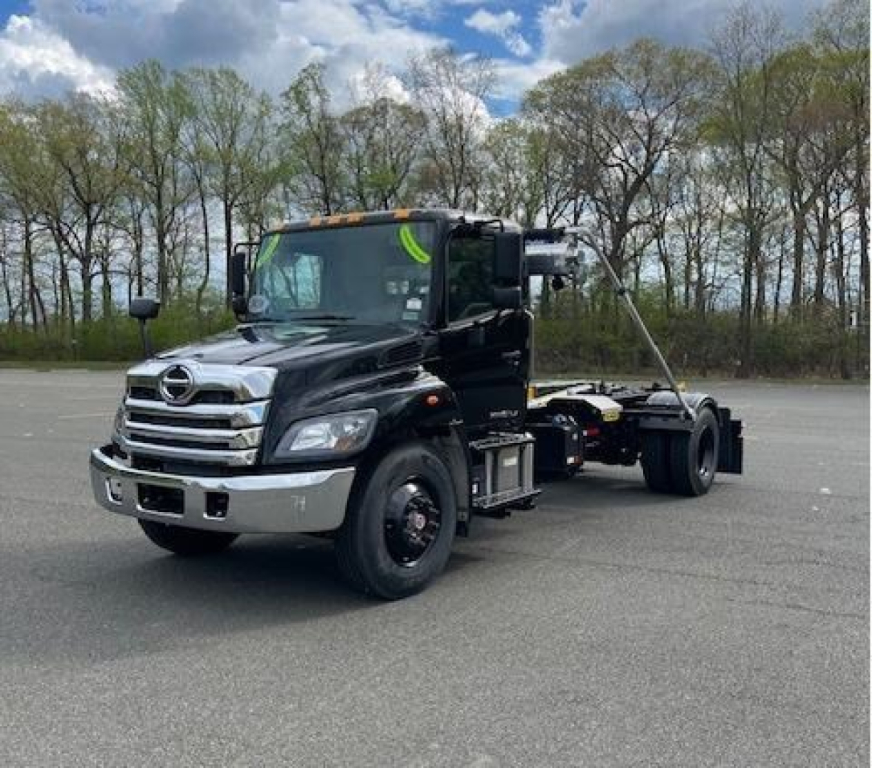
In this category, many buyers will be looking at Hino L Series configurations, often with diesel power, automatic transmissions, and vocational upfits from manufacturers such as Palfinger. A common setup in this class includes a Cummins B6.7 diesel, Allison automatic transmission, and a derated or non-CDL-friendly GVWR around 25,950 pounds, although exact ratings vary by chassis and hoist package. Hooklift capacity in this segment is often discussed in the 20,000 to 22,000 pound range, but the usable payload depends on the body weight, wheelbase, axle ratings, suspension, and local regulations. If the truck will switch between heavy debris containers and lighter equipment bodies, pay close attention to hook height, container rail compatibility, and the hoist’s dump angle.
A new Hino hooklift truck is often chosen by contractors, municipal departments, waste haulers, recyclers, tree service operators, and rental fleets because it reduces idle equipment and increases body utilization. Instead of assigning a separate truck to each task, one chassis can cycle through several applications. That makes uptime, turning radius, cab layout, and PTO integration just as important as raw lifting strength. Buyers should also compare frame reinforcement, tarp system options, backup camera integration, hydraulic controls, and cab-to-axle dimensions, since those details affect both body compatibility and driver productivity. If the truck will operate in tight urban routes or mixed residential and commercial stops, overall length and visibility matter as much as capacity.
The biggest mistake in this category is buying strictly by advertised hoist rating without matching the truck to the containers already in service. A well-specified Hino hooklift should be measured against your longest and shortest boxes, loaded center of gravity, approach angle at job sites, and the type of material being carried. New units appeal to buyers who want current emissions equipment, factory warranty coverage, and a clean chassis history from day one. For fleets standardizing on medium-duty vocational trucks, Hino hooklift models offer a practical balance of commercial drivetrain components, body-swapping versatility, and chassis specs that fit many regional hauling applications.
Frequently Asked Questions
What can a Hino hooklift truck be used for?
A Hino hooklift truck is designed to carry interchangeable bodies and containers on one chassis. Common uses include debris removal, scrap hauling, landscape material delivery, jobsite support, equipment transport, municipal maintenance, and rental fleet service. The key advantage is operational flexibility because the same truck can handle multiple body types instead of being tied to one permanent upfit.
What should I compare first when shopping for a new hooklift truck?
Start with hoist capacity, GVWR, axle ratings, and the container lengths the system is built to handle. After that, confirm hook height, cab-to-axle dimension, wheelbase, and body rail compatibility with your existing containers. A truck with the right hoist rating can still be a poor fit if the frame layout, center of gravity, or box dimensions do not match your application.
Are Hino hooklift trucks commonly set up for non-CDL operation?
Many medium-duty Hino hooklift trucks are configured with a GVWR around 25,950 pounds to stay below the 26,001-pound CDL threshold, but that does not automatically make every setup non-CDL in every situation. Actual legal operation depends on the truck’s rating, loaded weight, trailer use, and state or local requirements. Buyers should confirm intended payload and licensing rules before choosing a derated chassis.
What drivetrain is common on a new Hino hooklift truck?
A common specification in this class includes a Cummins B6.7 turbo diesel engine paired with an Allison automatic transmission. That combination is popular in vocational service because it offers broad parts support, familiar service procedures, and good low-speed drivability for stop-and-go work. Exact horsepower, torque, and transmission model vary by chassis and upfit.
Why does container compatibility matter so much on a hooklift truck?
Container compatibility affects safe loading, unloading, and transport. Hook height, body length, rail design, and load balance all influence how the hoist performs. If the truck is not matched to the containers being used, operators may deal with poor loading angles, clearance issues, unstable weight distribution, or reduced usable payload. Matching the truck to the body fleet is one of the most important buying decisions in this category.