
New Fontaine Lowboy Trailers For Sale in Illinois
Shop new Fontaine lowboy trailers for heavy haul, paving, and equipment transport. Compare deck styles, axle setups, capacities, and options.
Learn more
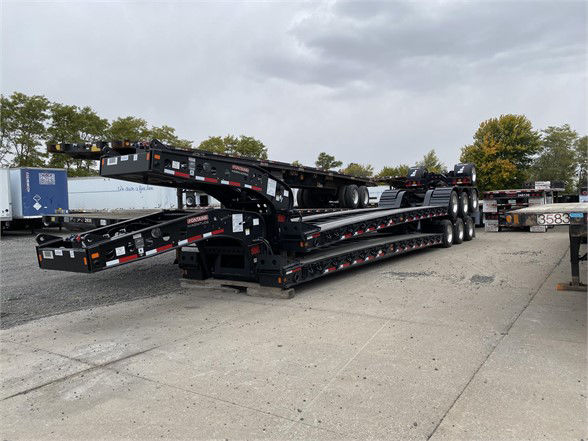
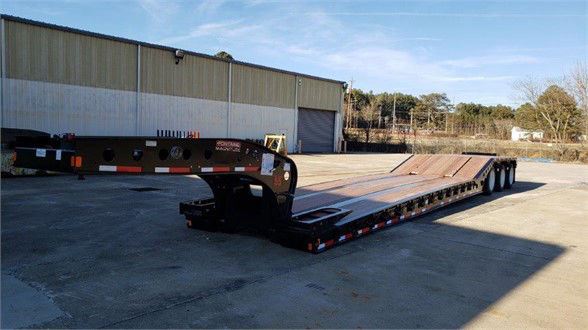
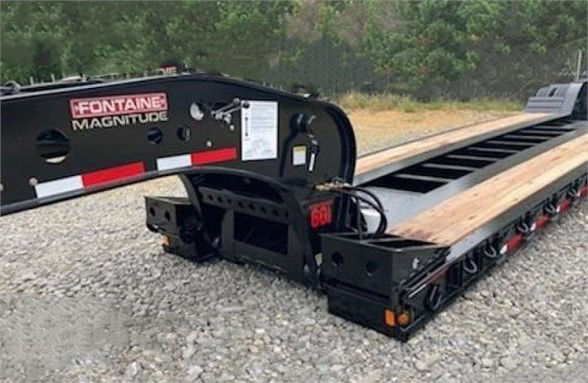
Have new fontaine lowboy trailer to sell? List it here to reach thousands of buyers.
About New Fontaine Lowboy Trailers in Illinois
A buyer comparing Fontaine lowboys should start with deck style and rated capacity. Common configurations in this category include 55-ton class lowboys, flat low-deck designs, paver and roller styles, and specialized models that accept a flip axle or other capacity-boosting rear axle setup. Deck lengths around 26 feet are common, along with tri-axle rear bogies, air ride suspension on certain models, and loaded deck heights designed to keep machines low without giving up structural strength. Features such as outriggers, boom wells, tapered main beams, ratcheted neck positions, front ramps, covered wheel areas, and adjustable ride height can make a major difference in how easily specific equipment loads and how efficiently deck space is used.
Fontaine Specialized and Workhorse lowboys are often chosen because they offer practical heavy-haul details that matter in day-to-day service. Buyers often look for axle spreads that work with state bridge formulas, ground clearance that fits jobsite access, and neck designs that match their preferred loading method. Optional flip axles, close-coupled configurations, aluminum wheels, storage trays, and lift axles can also affect tare weight, serviceability, and legal payload strategy. For fleets running in Illinois and across the Midwest, it is smart to evaluate the trailer not just by gross capacity, but by capacity in a stated deck section such as 12 feet, 13 feet, or 16 feet, since that tells you more about how the trailer is engineered to carry real equipment.
The best new Fontaine lowboy for sale is the one matched to the machine profile and permit environment you run every week. A roller paver lowboy may be ideal for low-clearance paving equipment, while a flat-level 55-ton or 60-ton model can better suit mixed equipment fleets that need versatility. Check loaded deck height, well length, swing clearance, rear bogie design, kingpin setting, and compatibility with future axle additions before making a decision. Those details determine how the trailer tows, loads, scales, and holds value over the long haul.
Frequently Asked Questions
What is the difference between a Fontaine lowboy and a standard drop deck trailer?
A Fontaine lowboy is designed for heavier concentrated loads and a much lower loaded deck height than a standard drop deck trailer. Lowboys are commonly used for excavators, dozers, paving machines, and other tall or heavy equipment that would exceed height limits on a regular step deck. They also use specialized necks, heavy main beam construction, and axle group configurations intended for heavy-haul applications.
What capacity should I look for in a new Fontaine lowboy trailer?
Capacity should be matched to the actual machine weights and how that weight sits on the deck, not just the headline ton rating. Many buyers look at 55-ton class trailers first, but the more important number is the rated capacity within a specific deck section such as 12 feet or 16 feet. That tells you how the trailer handles concentrated loads, which is critical for machines with heavy track or axle loads.
Why would I want a flip axle on a Fontaine lowboy?
A flip axle can increase legal payload capability and help distribute weight more effectively across the rear of the trailer. It is often used when hauling heavier equipment or when permit and bridge formula requirements make additional axle capacity necessary. Buyers should confirm whether the trailer is designed to accept a specific flip axle style and whether that setup fits their normal routes and legal weight strategy.
What features matter most on a lowboy used for paving and roadbuilding equipment?
For paving and roadbuilding applications, buyers often prioritize gentle loading angles, low loaded deck height, tapered main beams, adequate boom well space, and stable rear bogie design. Paver and roller-specific lowboys are built to handle low ground clearance machines that do not load well on steeper deck transitions. Outriggers, covered wheel areas, and ride height adjustment can also improve versatility when moving different machine types.
Are air ride suspension and aluminum wheels worth considering on a new lowboy?
They can be, depending on application. Air ride suspension may improve ride quality for certain loads and can help with load protection and trailer handling, while aluminum wheels can reduce tare weight and improve appearance. The tradeoff is that buyers should weigh those benefits against cost, maintenance preferences, and the type of off-road or severe-service work the trailer will see.