
New Flatbed Trailers For Sale in Illinois
New flatbed trailers for sale in Illinois. Compare aluminum and combo flatbeds by length, axle setup, suspension, tie-downs, and payload.
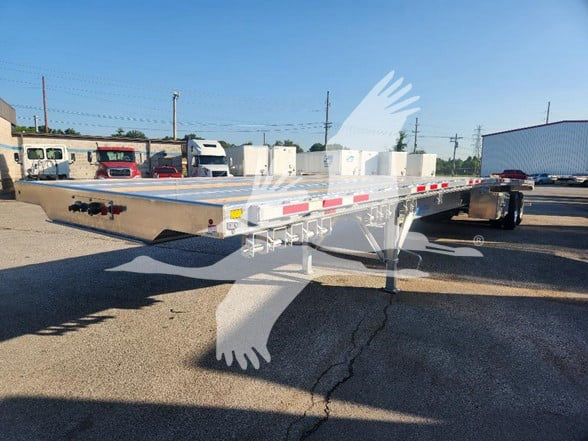
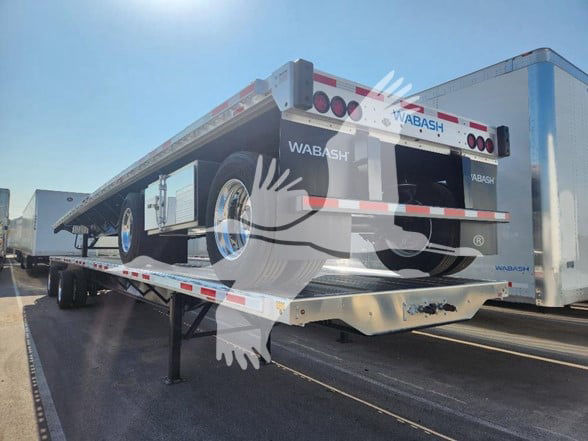
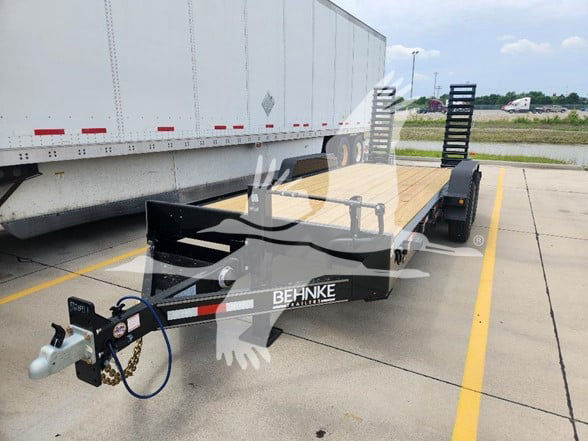
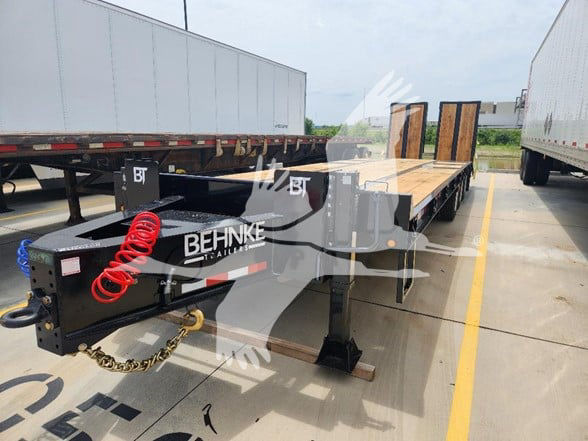
Have new flatbed trailer to sell? List it here to reach thousands of buyers.
New Flatbed Trailers in Illinois
Most highway flatbeds in this category are 48-foot to 53-foot trailers with 102-inch width, though shorter deckover and tilt-style flatbeds are also used for equipment and local hauling. Spread axle, tandem, and tridem configurations each serve a different purpose. A widespread air ride spread axle is common for legal load distribution and ride quality, while tridems can improve capacity and bridge compliance in certain applications. Buyers should pay close attention to kingpin setting, axle spacing, suspension brand, axle dump functions, and wheel-end type such as grease hubs or oil bath hubs. Tire inflation systems, aluminum outer wheels, and rear 4-way or auxiliary plugs are not cosmetic options. They affect uptime, roadside serviceability, and compatibility with specialized loads and accessories.
Cargo securement layout is a major buying point on a flatbed trailer. Winch tracks, sliding winches, hook retainers, chain ties, recessed tie-downs, stake pockets, and D-rings determine how flexible the trailer will be across different commodities. Coil packages are especially important for carriers that haul steel, because they add the structure and securement points needed for concentrated coil weight. Wood nailer strips, routed aluminum side rails, and multi-position tie-down systems also change how easily tarps, straps, and edge protection can be used day to day. Floor construction deserves a close look as well, including aluminum floor type, nailer placement, crossmember spacing, and high-wear reinforcement at the rear and in coil areas.
For buyers comparing new flatbed trailers in Illinois, the practical questions are payload, freight type, route profile, and maintenance plan. A lighter trailer can add revenue on every trip, but a heavier-duty specification may pencil out better if the operation sees concentrated loads, rough jobsite access, or frequent securement changes. Air ride suspension is typically preferred for freight protection and driver acceptance, while features such as rear axle dump, PSI tire inflation systems, scuff-resistant deck details, and upgraded landing gear can reduce downtime over the life of the trailer. The best flatbed spec is the one that matches how the trailer will actually be loaded, secured, scaled, and repaired in Midwest service.
Frequently Asked Questions about New Flatbed Trailers in Illinois
What is the difference between an all-aluminum flatbed and a combo flatbed trailer?
An all-aluminum flatbed trailer is designed to minimize tare weight, which helps increase payload capacity and fuel efficiency. A combo flatbed uses a mix of aluminum and steel, often with steel crossmembers and aluminum flooring or side rails. Combo construction typically adds some weight but can improve durability in high-stress areas and may simplify certain repairs. Buyers hauling dense freight every day often compare the added payload of all-aluminum against the long-term durability and price point of a combo design.
Which axle configuration is best for a flatbed trailer in Illinois?
The best axle setup depends on freight, legal weights, and where the trailer runs. Tandem axles are straightforward and common for general freight. Widespread spread axles help distribute weight and are popular on 48-foot and 53-foot flatbeds hauling building products, machinery, and steel. Tridem flatbeds can offer capacity advantages and better bridge distribution in some operations, but they also add complexity and can affect maneuverability and tire wear. Illinois buyers should match axle spacing and suspension type to their normal load profile and the states they run most often.
What securement features should I look for on a new flatbed trailer?
A useful flatbed trailer should have a securement layout that matches the freight mix, not just a high part count. Common must-have features include winch tracks, sliding winches, stake pockets, chain ties, hook retainers, and recessed tie-down points. A coil package is important for steel-hauling applications because it supports concentrated coil loading and securement. Wood nailer strips, side rail design, and tie-down spacing also matter because they affect how efficiently drivers can strap, tarp, and protect loads in daily use.
How important is trailer weight on a flatbed?
Trailer weight directly affects payload, and payload affects revenue on every load that scales near legal limits. A lighter flatbed can be a major advantage in commodities like steel, lumber, or palletized building materials where every pound counts. That said, the lightest trailer is not always the best fit. If the operation regularly handles concentrated loads, forklift traffic, or rough loading conditions, a heavier specification with reinforced floor sections, closer crossmember spacing, or a stronger frame rating may produce better long-term value.
Are air ride and features like PSI tire inflation worth it on a new flatbed trailer?
For many fleets and owner-operators, yes. Air ride suspension generally improves ride quality, helps protect freight, and is widely preferred in open-deck service. Automatic tire inflation systems can reduce irregular tire wear, improve uptime, and help prevent roadside failures caused by underinflation. Features such as rear axle dump, aluminum wheels, quality landing gear, and durable hub and brake specifications also contribute to lower operating costs. These options add upfront cost, but they often pay back through reduced maintenance, fewer delays, and better resale appeal.