
Live Floor Trailers For Sale in Pennsylvania
Browse live floor trailers for sale in Pennsylvania. Compare lengths, floor systems, suspensions, tarps, and discharge setups for bulk hauling.
Learn more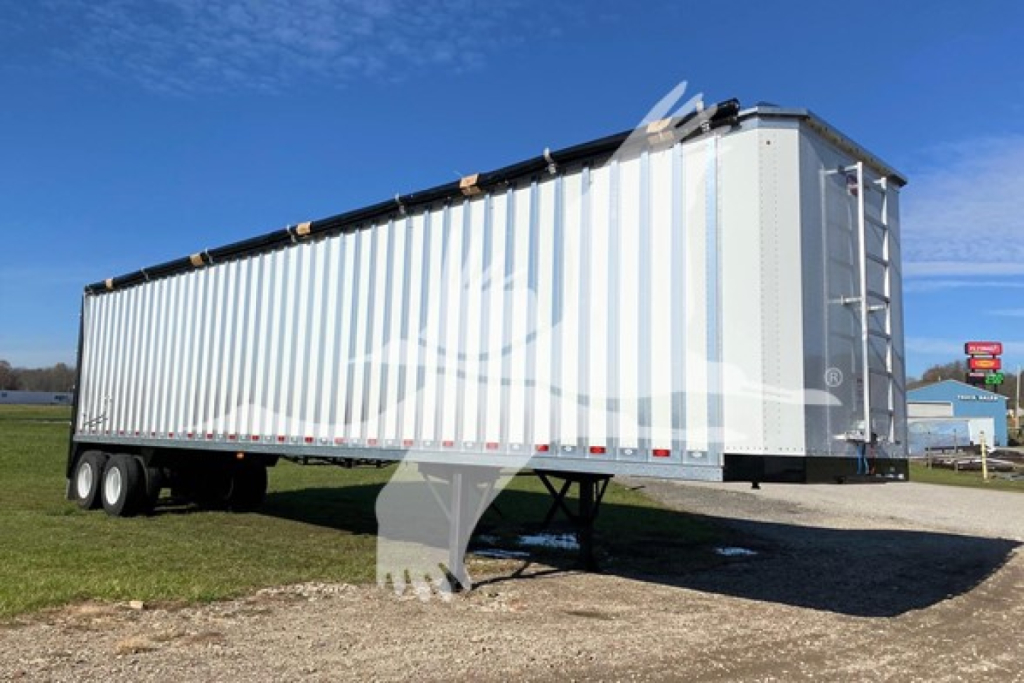
Have live floor trailer to sell? List it here to reach thousands of buyers.
About Live Floor Trailers in Pennsylvania
The first buying decision is usually floor system and body construction. Hallco, Keith, and Cargo Floor are common names buyers look for, and each has its own service considerations, slat design, and parts familiarity. Trailer length often runs around 45 to 53 feet, with 102-inch width common, and body height selected around cubic capacity, bridge laws, and route limitations. Aluminum bodies help keep tare weight down, while steel is sometimes preferred for more abusive applications. Buyers should look closely at floor slat thickness, crossmember spacing, sidewall gauge, rear door style, and tarp setup because these details affect payload, cleanout, and long-term durability.
Suspension, axle setting, and underframe specs matter more on a live floor trailer than many first-time buyers expect. Tandem axle setups are common, with spring ride or air ride depending on fleet preference, commodity sensitivity, and maintenance strategy. Kingpin setting, suspension location, tire size, and brake condition all affect how the trailer scales and tracks. If the trailer will haul demolition debris, scrap, or dense organic material, check for heavy-duty push bumpers, reinforced rear frames, scuff protection, and the overall condition of the hydraulic drive components. Hydraulic plumbing, motor condition, bearings, gearbox service history, and floor timing are worth inspecting carefully because floor repairs can be expensive if neglected.
A good live floor trailer is really a production tool, not just a box on wheels. Buyers should match the trailer to the material stream, unload frequency, and the tractor hydraulic package that will power it. For Pennsylvania operations, it also helps to think about corrosion from road salt, seasonal moisture, and mixed on-road and yard use. Clean welds, straight walls, tight doors, solid tarp hardware, and an even-running floor system usually tell you more than paint alone. When the trailer is spec'd correctly, a live floor can improve unload safety, reduce tip-over risk, and keep bulk freight moving through sites where a dump trailer is not practical.
Frequently Asked Questions
What is a live floor trailer used for?
A live floor trailer is used to haul bulk materials that need horizontal unloading instead of dumping. Common applications include mulch, compost, wood chips, recycling, refuse, agricultural commodities, scrap, and palletized or broken materials that do not unload cleanly from a conventional hopper or dump trailer. The moving floor lets the operator meter material out at a controlled pace, which is useful at transfer stations, low-clearance buildings, and uneven unloading surfaces.
What is the difference between a live floor trailer and a dump trailer?
The main difference is the unloading method. A dump trailer raises the body to discharge the load by gravity, while a live floor trailer keeps the trailer level and uses hydraulic slats to move material out the rear. Live floor trailers are generally safer in areas with overhead wires, low roofs, soft ground, or side-slope conditions where a raised dump body could be a problem. Dump trailers may still be simpler for some dense aggregate applications, but a live floor is often the better choice for controlled discharge and mixed bulk freight.
What should I inspect on a used live floor trailer?
The floor system should be the first priority. Inspect the slats, bearings, drive unit, hydraulic lines, timing, and overall smoothness of floor operation. Look at the rear frame, door seals, sidewalls, crossmembers, and floor-to-wall transitions for cracking or wear. Check suspension type, axle alignment, brake condition, tires, wheels, kingpin wear, landing gear, tarp condition, and any signs of corrosion or patch repairs. Service records for the hydraulic and floor system add real value because they help verify how the trailer was maintained.
Are aluminum live floor trailers better than steel?
Aluminum live floor trailers usually offer lower empty weight, which helps maximize payload and improve fuel efficiency. Steel may be preferred for harsher environments or commodities that create more impact and abrasion. The better choice depends on what the trailer will haul, how often it will cycle, and how rough the loading process is. Many buyers prefer aluminum for general bulk hauling and waste applications, but heavy abuse can make reinforced designs or selective steel components more attractive.
Do live floor trailers require a special tractor setup?
Yes, most live floor trailers require a tractor with the correct wet kit or hydraulic system to power the floor. The hydraulic flow and pressure need to match the trailer floor system, and the control setup should allow smooth operation during unloading. Before buying, confirm hose connections, hydraulic capacity, electrical compatibility, and overall tractor-trailer fit. A mismatch between the tractor hydraulics and the trailer floor system can lead to slow unloading, excessive heat, or unreliable performance.