
Heavy Haul Trucks For Sale in Florida
Compare heavy haul trucks for sale, including specs, axle setups, powertrain choices, and hauling applications for oversize loads.
Learn more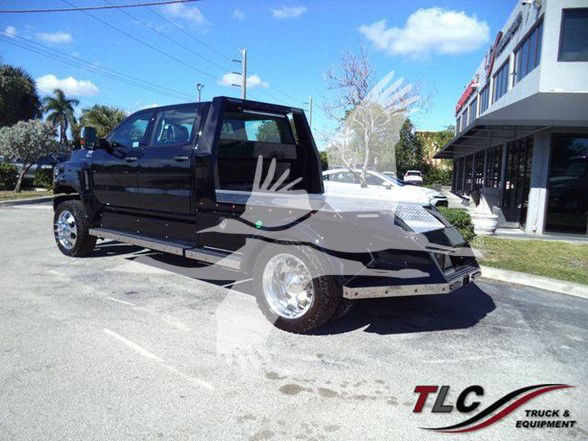
Have heavy haul truck to sell? List it here to reach thousands of buyers.
About Heavy Haul Trucks in Florida
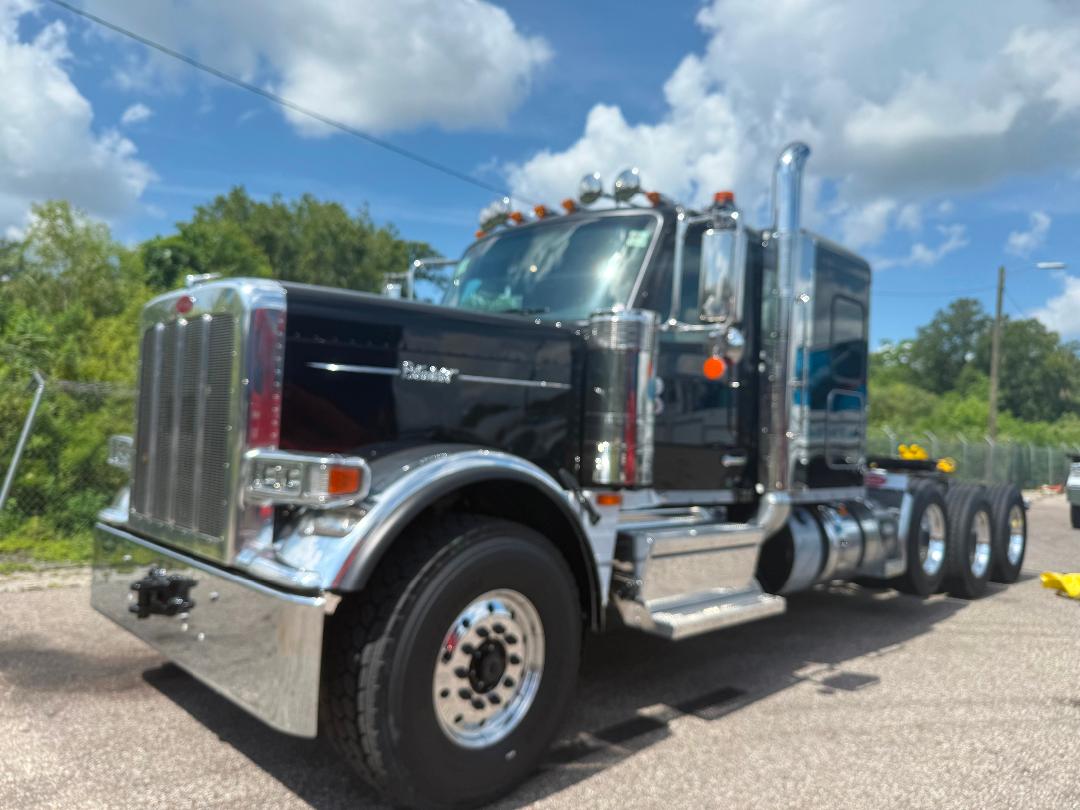
The core buying decision starts with chassis spec. For true heavy haul applications, common priorities include double frame rails, heavy front axles, high-capacity rears, full locking differentials, and suspensions designed to hold up under concentrated pin weight. Buyers often compare 6x4, 8x4, and specialty axle layouts based on bridge laws, steer axle needs, and trailer neck weights. Powertrain spec matters just as much. Big-bore diesel engines from Cummins, Paccar, Detroit, and Volvo are common in the segment, usually paired with manual, automated manual, or Allison automatic transmissions depending on route profile and driver preference. Deep reduction gearing, PTO provision, and correct rear ratio selection are critical if the truck will start heavy loads on grades or maneuver in soft jobsite conditions.
Florida buyers often need to balance highway speed, heat management, and corrosion resistance with the realities of regional hauling. Cooling package capacity, air conditioning performance, and clean electrical systems matter more in hot, humid service than many first-time buyers expect. If the truck will pull lowboys, detachables, hydraulic tail trailers, or goosenecks, look closely at fifth wheel rating, sliding versus fixed position, frame reinforcement, trailer plug configuration, brake controller setup, and wet kit requirements. On medium-duty heavy haul builds such as hauler beds on 4x4 or 5500-class chassis, the focus shifts toward GVWR, receiver and gooseneck ratings, bed construction, spring capacity, and how the truck will handle payload and trailer tongue weight together.
A good heavy haul truck should be matched to the work, not just bought for badge or appearance. Review axle ratings, wheelbase, tire size, suspension type, engine brake, transmission model, and documentation on prior use or upfitting. If the job includes construction equipment, transformers, steel, cranes, or specialized machinery, confirm that the truck's legal and mechanical capacity aligns with the trailer and route demands. The best value in this category usually comes from a truck with the right spec already in place, because correcting underbuilt gearing, axle capacity, cooling, or frame design after purchase is expensive and often impractical.
Frequently Asked Questions
What makes a truck a heavy haul truck?
A heavy haul truck is configured to move loads that exceed normal freight tractor duty in weight, pin load, or trailer demand. That usually means higher axle ratings, stronger frame construction, heavier suspension, deep gearing, and a powertrain selected for starting and controlling very heavy combinations. In some listings, the category also includes medium-duty hauler trucks with gooseneck or receiver setups for equipment transport, but true heavy haul road units are typically purpose-built tractors with heavy chassis components.
Which axle configuration is best for heavy haul work?
The best axle setup depends on trailer type, gross combination weight, and permit requirements. A 6x4 works for many heavy applications and is common because it balances traction, capacity, and serviceability. Heavier or more specialized work may call for additional lift axles, pusher axles, or severe-duty front axle ratings to manage kingpin weight and bridge compliance. Buyers should compare steer axle capacity, rear axle ratings, suspension design, and wheelbase as a complete system rather than choosing axle count alone.
What transmission is preferred in a heavy haul truck?
Manual and automated manual transmissions are common in heavy haul because they offer strong ratio selection and durability in high-GCW service. An Allison automatic is also used in certain vocational, off-road, and medium-duty hauling applications where low-speed control and easier operation are priorities. The key is not just transmission type, but whether the transmission has the right torque rating, gear spread, PTO capability, and programming for the load and terrain.
What should I check on a used heavy haul truck before buying?
Focus on frame condition, axle ratings, suspension wear, driveline integrity, and evidence of prior overloading or improper upfitting. Verify engine model, horsepower and torque rating, rear ratio, transmission model, and any wet kit or hydraulic equipment if the truck will run specialty trailers. Service records are important, but so is spec accuracy. A truck can be clean and still be wrong for the job if the fifth wheel rating, wheelbase, cooling package, or front axle capacity do not match the intended trailer and load.
Can a medium-duty hauler bed truck be considered heavy haul?
It can, depending on the work. Medium-duty trucks with hauler beds, gooseneck hitches, and high GVWR chassis are often used to move smaller equipment, pickups, skid steers, and trailers that do not require a full Class 8 tractor. They are practical for regional delivery, contractor use, and hotshot-style hauling, especially with 4x4 capability. Buyers should still verify payload, towing capacity, hitch rating, brake provisions, and combined weight limits, because appearance alone does not determine true hauling capability.