
Flatbed Trailers For Sale in Wisconsin
Shop flatbed trailers for sale in Wisconsin. Compare aluminum, combo, steel, spread axle, sliding tandem, and extendable flatbeds.
Learn moreBrowse Flatbed Trailers by Make

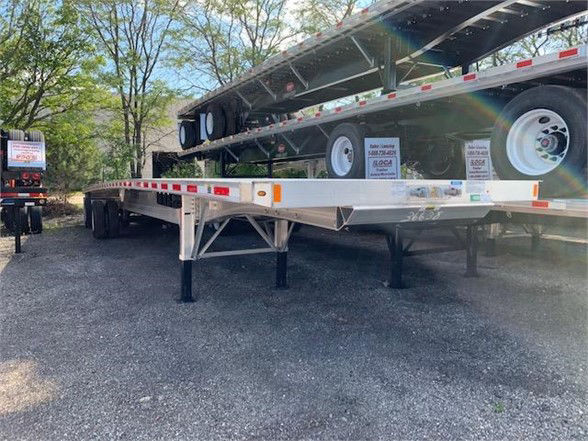
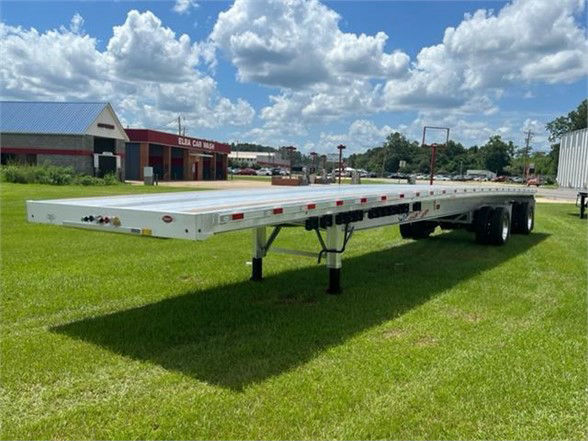
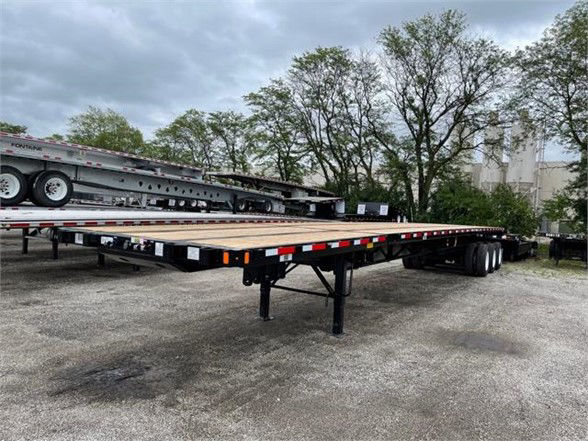
Have flatbed trailer to sell? List it here to reach thousands of buyers.
About Flatbed Trailers in Wisconsin
Material choice drives both tare weight and long-term durability. All-aluminum flatbed trailers are popular when payload is the priority, especially for operations hauling coils, packaged commodities, or other freight where every pound counts. Combo flatbeds, also known as aluminum-steel combination flatbeds, balance lower weight with stronger wear points by using steel crossmembers or key structural components. All-steel flatbeds typically weigh more, but they remain a solid choice for severe-duty applications, concentrated loads, and fleets that prioritize ruggedness over maximum payload. Floor construction also matters. Aluminum floors save weight, while wood floors can be easier to repair and remain common on heavy-duty and extendable designs.
A buyer should look closely at deck spec and securement package, not just year and brand. Important details include crossmember spacing, frame rating, concentrated load rating, coil package, nail strips, routed aluminum side rails, stake pockets on 24-inch centers, winch track style, sliding winches, chain ties, and pop-up tie-downs. Suspension is commonly air ride on late-model flatbeds because it helps protect cargo and improves ride quality. Tire size, wheel material, rear axle dump, hub type, and lighting harness design also affect maintenance cost and daily use. Spread axle flatbeds can offer stability and load distribution advantages, while sliding tandem trailers add flexibility for bridge compliance and dock positioning.
Some flatbed buyers also need specialty capability beyond a standard deck. Extendable flatbed trailers are built for oversized freight such as steel, pipe, trusses, and long machinery components, with common extension ranges well beyond 53 feet. These trailers are heavier and more specialized, so the right purchase depends on how often overlength freight is part of the business. For general freight, a standard 48-foot or 53-foot flatbed with the right securement package is usually the most versatile specification. The best flatbed trailer is the one matched to your freight profile, target payload, loading method, and the permitting or bridge-law realities of the lanes you run every week.
Frequently Asked Questions
What is the difference between an aluminum, combo, and steel flatbed trailer?
An aluminum flatbed trailer is typically the lightest option and is chosen when payload is critical. A combo flatbed, also called an aluminum-steel combination flatbed, uses aluminum for weight savings and steel in high-stress areas for added durability. A steel flatbed is usually heavier, but it can be a strong choice for severe-duty work, concentrated loads, and operators who expect more abuse from loading equipment or jobsite use.
Should I choose a spread axle or sliding tandem flatbed trailer?
A spread axle flatbed can provide good stability and favorable weight distribution for many loads, and it is common on 48-foot trailers. A sliding tandem flatbed offers more flexibility for bridge law compliance, axle adjustment, and changing freight patterns, especially on 53-foot trailers. The better choice depends on where you run, how often you cross state lines, and whether your freight mix requires frequent axle repositioning.
What length flatbed trailer is most common?
The most common flatbed trailer lengths are 48 feet and 53 feet, both typically built at 102 inches wide. A 48-foot flatbed remains popular for general commodity freight and widespread axle configurations, while a 53-foot flatbed adds deck space and is common in fleets that want more flexibility for larger or mixed loads. Extendable flatbeds are used when freight length exceeds what a standard fixed deck can legally or practically handle.
What features matter most on a flatbed trailer for cargo securement?
Cargo securement features often have more day-to-day value than cosmetic condition alone. Buyers should pay attention to stake pockets, chain ties, recessed tie-downs, winch tracks, sliding winches, hook retainers, coil packages, and nail strips. The right securement package depends on the freight. Steel coils, lumber, machinery, and palletized building products each place different demands on tie-down points and deck configuration.
Are air ride suspensions standard on flatbed trailers?
Air ride suspension is very common on late-model flatbed trailers because it helps reduce cargo shock, improves ride quality, and is widely preferred for general freight. It is especially useful for more sensitive loads or operations that want better trailer control and less cargo movement over rough pavement. Buyers should still confirm axle rating, dump valve setup, and the overall suspension configuration because those details affect load handling and maintenance.