
Fontaine Flatbed Trailers For Sale in Wisconsin
Shop Fontaine flatbed trailers for sale in Wisconsin. Compare aluminum, combo, and extendable models built for payload, durability, and securement.
Learn more
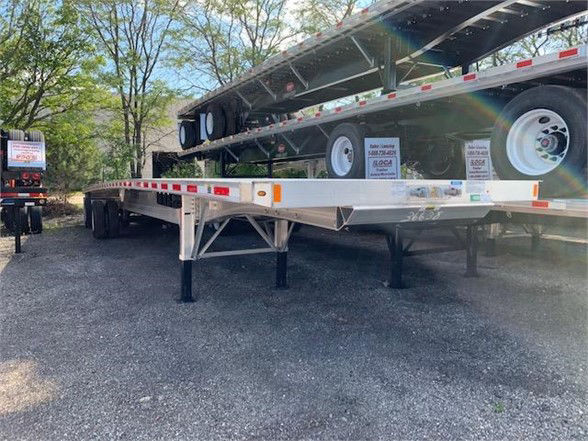
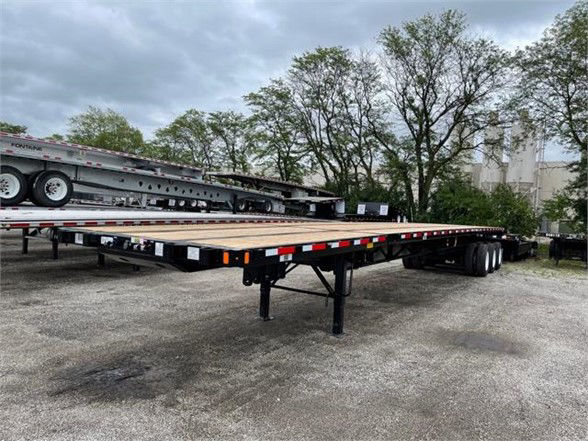
Have fontaine flatbed trailer to sell? List it here to reach thousands of buyers.
About Fontaine Flatbed Trailers in Wisconsin
Two Fontaine names buyers see often are the Infinity and the Revolution series. Combo flatbeds like the Infinity are commonly spec'd with steel crossmembers on 12-inch centers, aluminum floors, routed aluminum side rails, widespread air ride, and integrated securement packages. All-aluminum models such as Revolution units are popular when every pound matters, especially for operations hauling building products, machinery, pipe, palletized freight, or steel with a coil package. Features like RASR side rails, pop-up chain ties, double L winch tracks, sliding winches, rear axle dump, and widespread axle configurations matter because they directly affect loading flexibility, tie-down speed, and bridge compliance.
The best spec depends on freight mix and loading conditions. A lightweight all-aluminum Fontaine flatbed can be the right fit for operations chasing maximum payload and corrosion resistance, particularly in upper Midwest service where road treatment and weather can be hard on equipment. A combo trailer may be the better choice for repeated forklift loading, concentrated cargo, and customers that routinely load dense products. Buyers should also pay close attention to frame rating, kingpin setting, axle spread, floor design, nail strips, wheel material, hub spec, and landing gear bracing. If coils, plate, or other concentrated loads are part of the work, a true coil package and a frame rating such as 55,000 pounds in 4 feet deserve close review.
For specialized freight, Fontaine also builds extendable flatbed trailers that cover oversized and longer commodities. These trailers are commonly used for steel products, precast, pipe, fabricated components, and equipment that cannot stay on a fixed 48- or 53-foot deck. Typical buyer checkpoints include extension range, stop positions, pin operation, suspension type, side rail strength, and tare weight. Across the category, buyers tend to value Fontaine for practical securement layouts, service-friendly electrical systems with LED lighting, and trailer designs aimed at keeping weight down without giving up structural integrity where it counts.
Frequently Asked Questions
What is the difference between a Fontaine all-aluminum flatbed and a Fontaine combo flatbed?
A Fontaine all-aluminum flatbed is designed to minimize trailer weight and maximize payload, which is a strong advantage for operations that haul legal-limit freight and want better corrosion resistance. A Fontaine combo flatbed uses a mix of steel and aluminum, often with steel crossmembers and aluminum flooring or side components, to provide added durability under repeated forklift traffic and concentrated loading. The better choice depends on your freight density, loading environment, and how much value you place on tare weight versus heavy-duty structural support.
What are common specs to compare on Fontaine flatbed trailers?
The most important flatbed specs include deck length, axle configuration, suspension type, kingpin setting, frame rating, floor construction, securement equipment, and trailer weight. On Fontaine trailers, buyers often focus on features such as widespread air ride, rear axle slide, RASR side rails, coil packages, recessed chain ties, sliding winches, nail strips, and LED lighting. It is also smart to compare wheel and hub specifications, landing gear bracing, and whether the trailer is set up for the type of concentrated load your customers regularly ship.
Are Fontaine flatbed trailers good for steel coils and other concentrated loads?
Many Fontaine flatbed trailers can be spec'd for steel coils and other concentrated freight, but the key is confirming that the trailer has a true coil package and the frame rating to support that work. Buyers should look for published concentrated load capacity, such as a 55,000-pound rating in 4 feet, along with chain tie layout, floor design, crossmember spacing, and side rail strength. A trailer used for coils, plate, or dense machinery should be chosen by rating and securement design, not just by overall GVWR or deck length.
What should Wisconsin buyers look for in a Fontaine flatbed trailer?
Wisconsin buyers usually benefit from focusing on corrosion resistance, suspension durability, lighting protection, and a securement layout that works in snow, mud, and frequent dock or yard loading. Aluminum construction can be attractive in upper Midwest service because it helps manage tare weight and stands up well to harsh weather exposure. Buyers should also think about bridge laws, widespread axle requirements, axle dump functionality, and how the trailer will perform on regional building materials, machinery, and steel lanes.
When does an extendable Fontaine flatbed make more sense than a standard 48- or 53-foot trailer?
An extendable Fontaine flatbed makes sense when the freight regularly exceeds standard deck length or varies enough that a fixed deck creates wasted trips or permit complications. Loads such as long pipe, structural steel, fabricated beams, and oversized machinery components often require the flexibility of a trailer that can stretch to match the cargo. Buyers should compare extension range, stop intervals, loaded stability, tare weight, and the strength of the main beams and side rails before deciding if an extendable platform fits their operation.