
Other For Sale Near Sparrow Bush, New York
Browse other trucking equipment for sale, including light towers, utility vehicles, sweepers, and specialty support equipment for fleet operations.
Learn more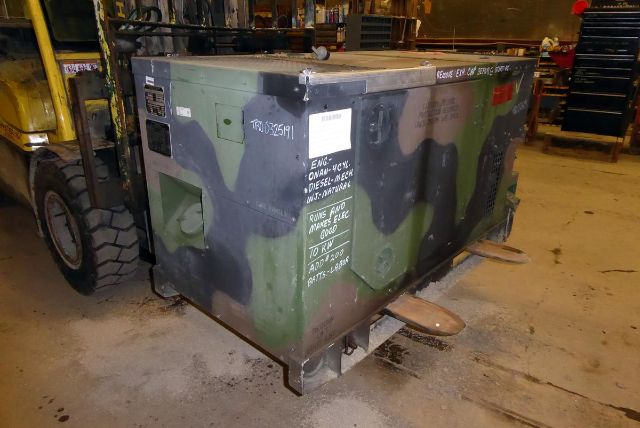
Showing 13 to 14 of 14 results
Have other equipment to sell? List it here to reach thousands of buyers.
About Other Near Sparrow Bush, New York
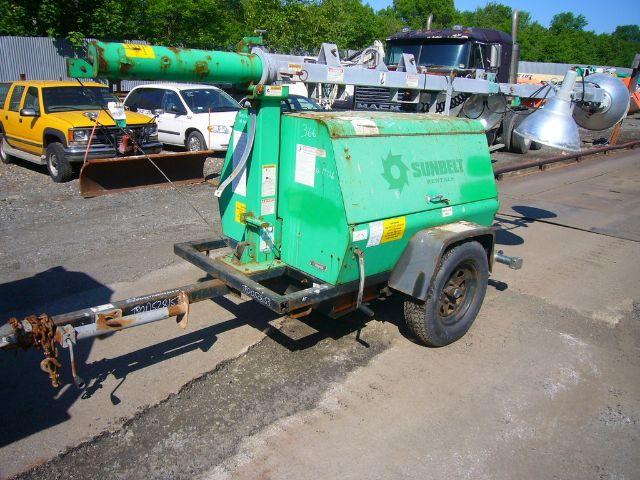
A good buying decision in this category starts with the application, because specs vary widely. Towable light towers and generator units are commonly evaluated by engine make, kW or kVA output, mast and lamp configuration, receptacle layout, and trailer running gear. Utility vehicles are more about passenger capacity, bed size, 2WD versus 4WD, enclosed cab options, heat, hitch receiver size, and hydrostatic or CVT-style driveline performance. Floor and yard sweepers are typically judged on fuel type, brush system condition, hopper capacity, tire setup, and maneuverability in warehouses, terminals, and municipal settings. On used equipment, engine hours matter, but so do service access, parts support, and visible wear on wiring, hydraulics, suspension components, and control systems.
Transport and site compatibility are just as important as the core machine specs. Many of these units are compact enough to move behind a pickup or medium-duty truck, so buyers should confirm overall length, width, height, operating weight, coupler type, and tire size before purchase. Electrical output and plug configuration are critical on light plants and generator-equipped units, especially if the machine will support traffic control, nighttime paving, emergency response, or temporary power on a job site. For yard support vehicles and specialty carriers, look closely at GVWR, payload limits, cab configuration, and turning radius. In northern markets like New York, cold-weather starting, enclosed operator stations, heater function, battery condition, and corrosion around frames, hubs, and electrical connections deserve extra attention.
Because this is a broad equipment class, the best values usually come from matching the machine to a narrow task instead of buying on price alone. A compact sweeper may be ideal for terminal housekeeping, while a diesel light tower with multiple receptacles may better serve utility crews, paving contractors, or roadside repair operations. Buyers should expect a mix of diesel, gasoline, propane, and electric-support equipment in this segment, with simple mechanical systems on some units and more specialized controls on others. The right choice is the one that can be deployed quickly, serviced without difficulty, and kept productive without requiring a dedicated technician or a hard-to-source parts network.
Frequently Asked Questions
What types of machines are usually listed under other trucking equipment?
This category typically includes support equipment used around fleet yards, terminals, construction sites, and roadside operations. Common examples include towable light towers, mobile generators, utility vehicles, industrial sweepers, maintenance support machines, and other specialty equipment that does not fall under standard truck or trailer categories. The category is broad, so buyers should focus first on the exact job the equipment needs to perform and then compare machine-specific specs.
What should I check first when buying used specialty trucking equipment?
Start with the machine's intended application, then verify hours, engine type, operating condition, and transport dimensions. After that, inspect the systems that are expensive or difficult to repair, such as generator output components, hydraulic functions, mast mechanisms, driveline components, electrical harnesses, and control panels. Tire condition, hitch hardware, corrosion, and the availability of replacement parts are also important because many specialty units are productive only if they can be deployed immediately with minimal reconditioning.
Are hours more important than age on equipment in this category?
Hours usually tell more than model year, but age still matters. A lower-hour unit can still need work if it sat outside, has poor wiring, stale fuel, corrosion, weather-damaged controls, or neglected maintenance. On the other hand, a higher-hour machine with consistent service records and strong parts support may be the better purchase. Buyers should evaluate hours together with overall condition, cold-start behavior, system function, and signs of structural wear.
How do I choose between a towable support unit and a self-propelled one?
A towable unit makes sense when the equipment will be moved by a pickup or work truck and then left in place for lighting, power generation, or stationary support. A self-propelled unit is usually the better fit when the operator needs to move around a yard, warehouse, terminal, or job site throughout the day. The decision comes down to transport method, frequency of relocation, available towing capacity, space constraints, and whether the machine's primary value is mobile work or stationary output.
What matters most for buyers in New York and similar cold-weather markets?
Cold-weather reliability should be a priority. Diesel starting performance, battery health, block heater use, enclosed cabs, cab heat, tire condition, and the integrity of exposed wiring all become more important in freezing temperatures. Buyers should also inspect frame rails, hubs, couplers, electrical plugs, and undercarriage areas for corrosion caused by road salt and winter storage conditions. A machine that looks acceptable cosmetically can still have expensive rust-related problems in these regions.