
1993 Equipment For Sale Near Sparrow Bush, New York
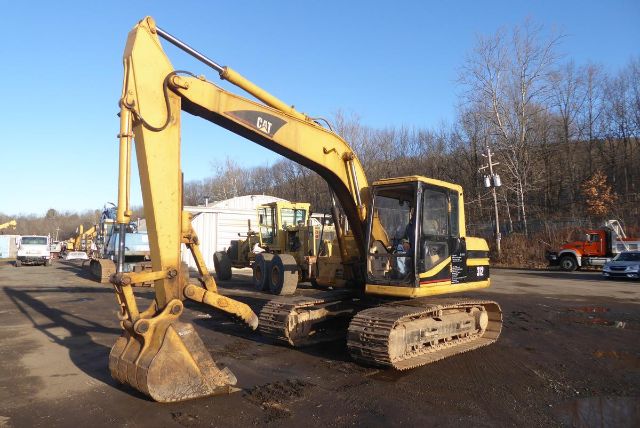
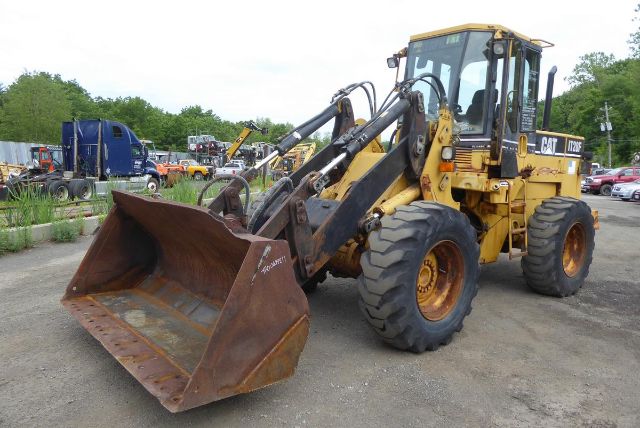
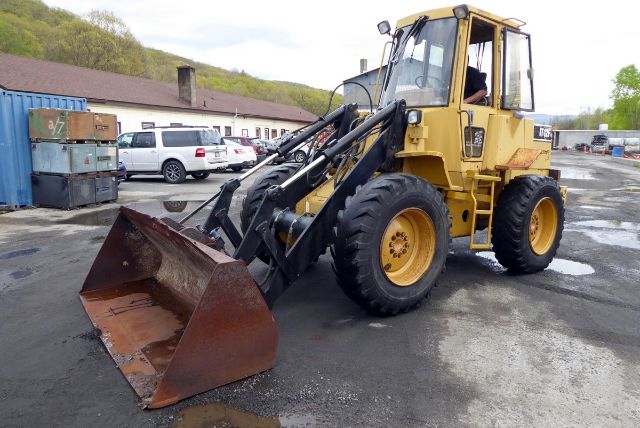
Browse 1993 trucking equipment listings in Sparrow Bush, New York, including used trucks, trailers, forklifts, loaders, and support equipment.
Learn more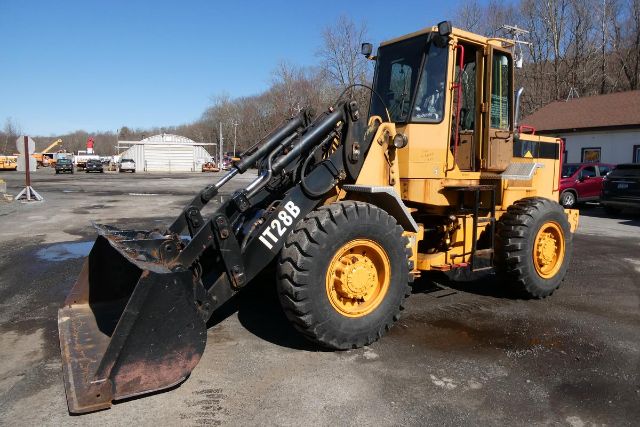
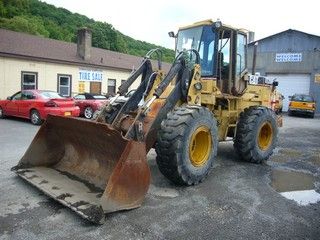
Have 1993 equipment to sell? List it here to reach thousands of buyers.
About 1993 Equipment Near Sparrow Bush, New York
For buyers comparing older used trucking equipment, condition matters far more than the model year on its own. Pay close attention to engine type, transmission operation, hydraulic response, steering play, brake performance, tire condition, and structural wear. Hour meter readings can help, but maintenance history, cold-start behavior, visible leaks, pin and bushing wear, mast or boom slack, and frame or attachment condition usually tell the real story. If the equipment is used for loading freight, unloading flatbeds, handling pallets, moving bulk material, or maintaining a yard, attachment compatibility and lift or carry capacity should be verified early. Fork length, bucket width, quick coupler style, mast height, and overall machine width can all affect day-to-day usability.
Older trucking support equipment is often attractive to small fleets, owner-operators, contractors, salvage operations, agricultural shippers, and facilities that need dependable capability without the capital cost of late-model units. In a place like Sparrow Bush, New York, buyers should also think about cold-weather starting, tire type, cab enclosure, heater function, and how the equipment handles rough yard surfaces, mud, or snow. Mechanical diesel engines, propane forklifts, hydrostatic drives, automatic transmissions, and enclosed operator stations are all common features in this age range depending on equipment type. The right spec depends on whether the machine will spend its time inside a warehouse, on a gravel lot, at a truck yard, or on a jobsite supporting commercial vehicles.
A strong 1993 equipment purchase is one that matches the job and has clear signs of remaining service life. Look for machines with dry cylinders, smooth hydraulic operation, stable driveline performance, and no major cracks, weld failures, or attachment damage. Check availability of filters, seals, undercarriage or tire sizes, brake components, mast rollers, hydraulic hoses, and engine parts before committing to an older unit. Buyers who focus on operating condition, attachment fit, and total cost to put the machine to work usually make the best value decision in this equipment class.
Frequently Asked Questions
Is 1993 trucking equipment still worth buying?
Yes, 1993 trucking equipment can still be a practical buy if the machine matches the job and has been maintained properly. Many units from this era use simpler mechanical engines and hydraulic systems that are easier to diagnose and repair than newer electronically controlled equipment. The main issue is not age by itself. Buyers should focus on structural condition, parts availability, hours of use, leak history, and how much reconditioning is needed before the equipment can work reliably.
What should I inspect first on older used trucking equipment?
Start with the core systems that drive repair cost and downtime. Inspect the engine for cold-start performance, smoke, blow-by, and fluid contamination. Check the transmission for smooth engagement, the hydraulics for fast and even function, and the steering and brakes for safe operation. Then inspect tires, forks, buckets, couplers, lift masts, pins, bushings, cylinders, frame rails, and cab controls. Signs of fresh paint should never replace a close look at wear points and structural repairs.
Are parts still available for 1993 equipment?
Parts support depends heavily on make, model, engine family, and attachment type. Common brands and widely used powerplants often still have good support through OEM channels, aftermarket suppliers, salvage yards, and rebuild shops. Wear items such as filters, hoses, seals, brakes, and tires are usually easier to source than machine-specific castings, electronics, or cab components. Before buying, confirm availability of the exact parts that matter most for the unit's drivetrain, hydraulics, and attachments.
How do I choose the right type of trucking support equipment for my operation?
Choose based on the material you handle, the surface you operate on, and the space you have to work in. Forklifts are better for palletized freight and dock work, wheel loaders are better for bulk material and yard cleanup, and utility or support vehicles fit property maintenance and local transport tasks. Capacity, lift height, overall width, turning radius, tire type, and cab configuration all need to fit the site. A machine that is oversized, too wide, or poorly matched to the surface conditions will cost more to run and be less productive.
What matters most when buying older equipment for use in New York conditions?
Cold-weather reliability and ground conditions matter a lot. Buyers in New York should check starting performance in low temperatures, heater and defroster operation, battery and charging system condition, and the quality of hydraulic hoses and seals. Tire tread, traction, and machine stability on wet, icy, or uneven surfaces are also important. Enclosed cabs, working lights, and dependable brakes add value when equipment is used outdoors through winter or shoulder seasons.