
Dolly Trailers For Sale in Ohio
Shop dolly trailers for sale in Ohio. Compare converter dolly specs, axle setup, suspension, brakes, tires, and towing applications.
Learn moreNo exact matches found for your search
Showing Dolly Trailers instead.
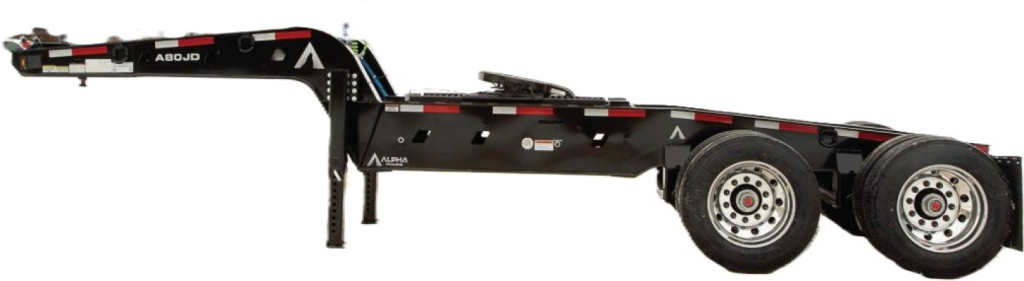
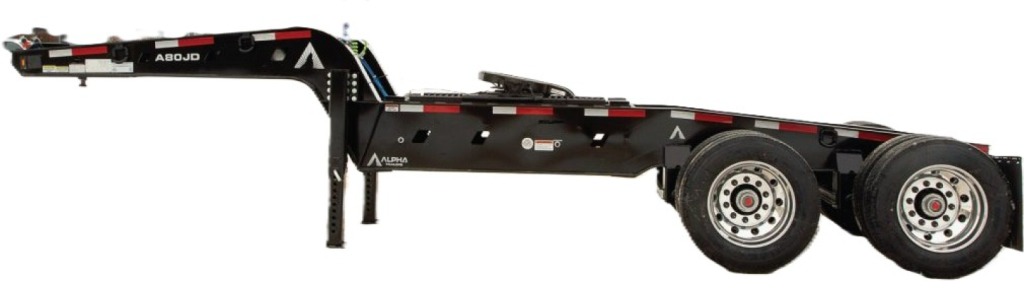
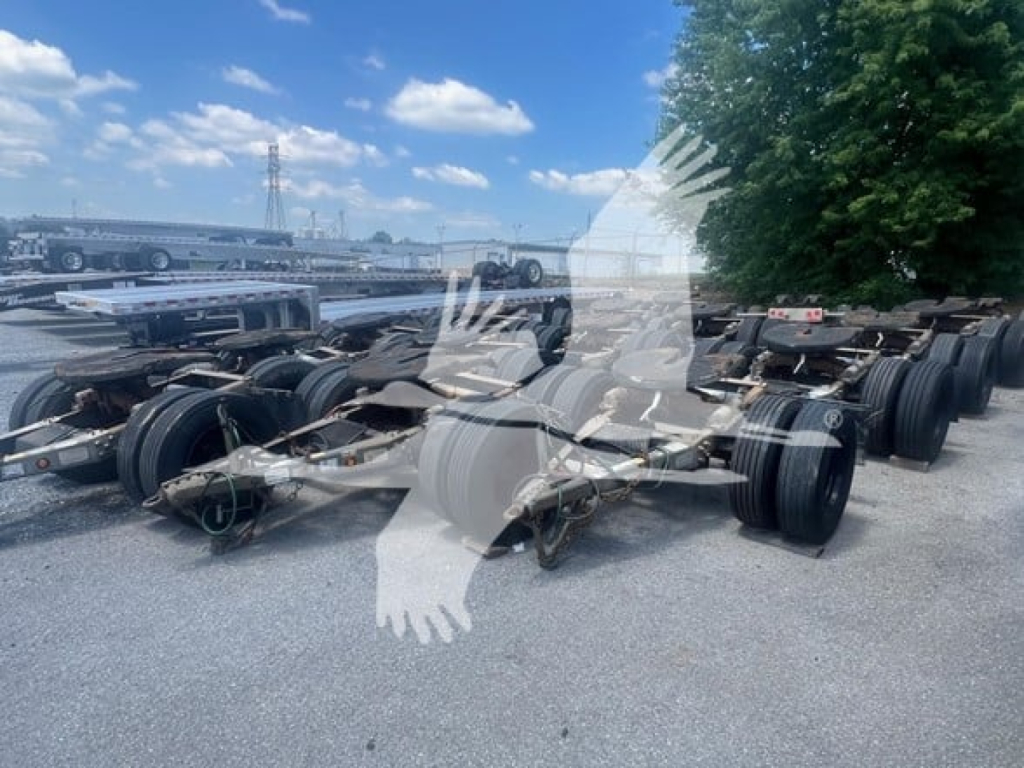
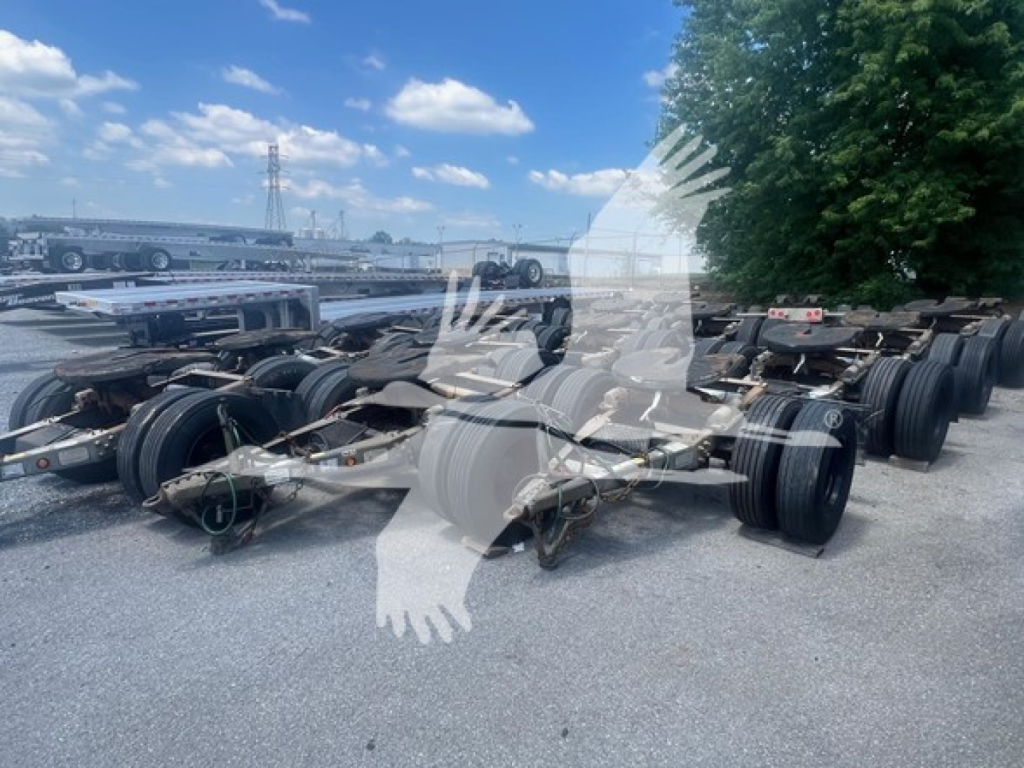
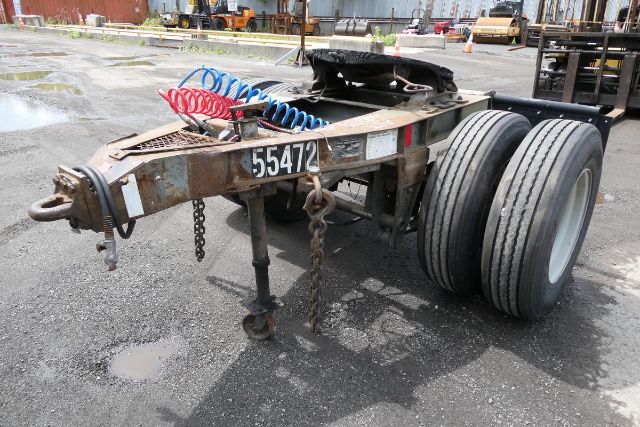
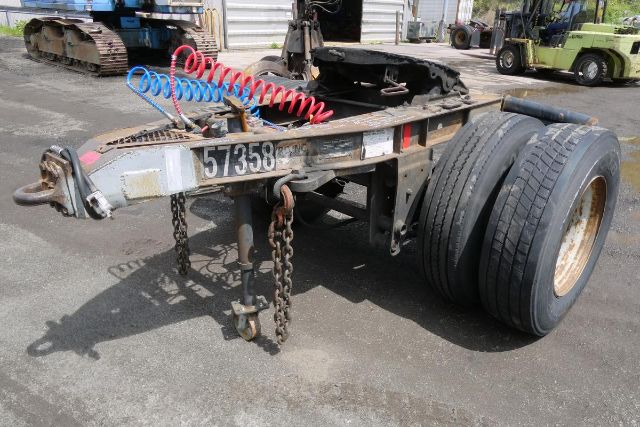
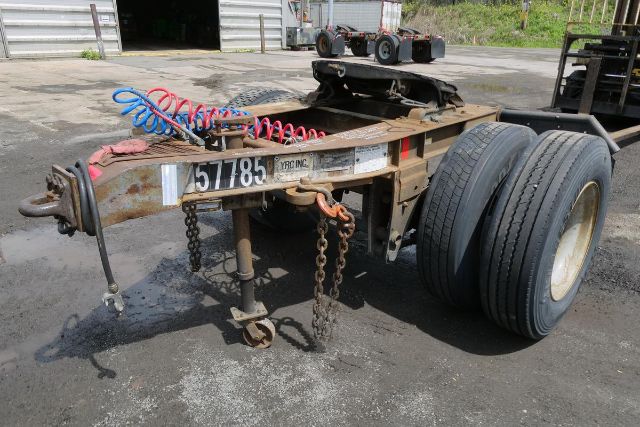
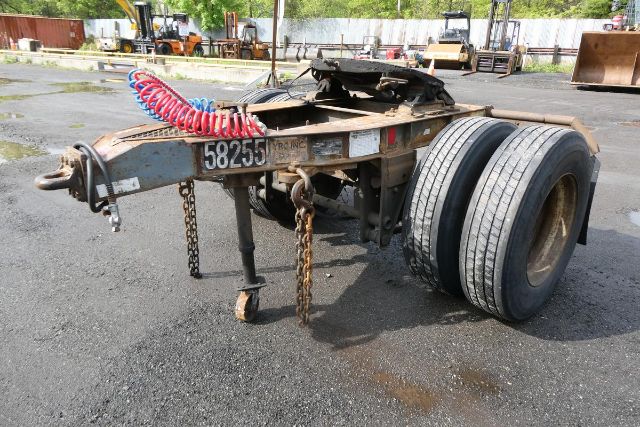

Have dolly trailer to sell? List it here to reach thousands of buyers.
About Dolly Trailers in Ohio
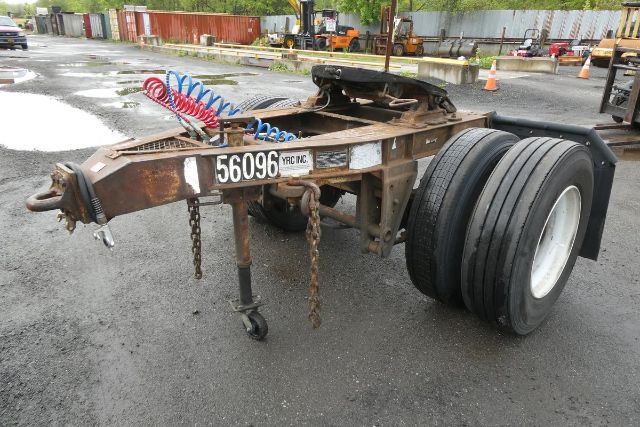
Most dolly trailers in this category are single-axle units, though tandem-axle configurations are also used for higher capacity or specific fleet requirements. Common specs include spring ride or air ride suspension, 22.5-inch rubber, steel or aluminum wheels, and air brake systems with gladhand connections. A buyer should pay close attention to brake lining life, drum or rotor condition, slack adjusters, lighting, frame wear, fifth wheel locking performance, and the condition of safety chains and electrical harnesses. If the dolly will be cycled hard in P&D, LTL, or linehaul service, tire condition and suspension wear matter just as much as the headline specs.
Converter dollies are widely used in doubles operations for freight carriers, parcel networks, and other fleets moving more cube with a single power unit. Maneuverability, tracking, and stability are shaped by tongue length, axle placement, and overall weight distribution. If your routes include crowded yards, narrow docks, or frequent urban turns, those details can affect daily usability. Buyers in Ohio should also think about corrosion exposure from winter road treatment, especially on frames, brake components, air lines, and electrical connections.
The best dolly trailer for the job is the one that fits the trailers already in the fleet and holds up under repetitive coupling cycles without creating maintenance drag. A clean locking mechanism, healthy tires, strong brake percentage, and a straight frame usually tell you more than cosmetics alone. For fleets standardizing parts, it also helps to compare wheel end components, suspension design, and brake hardware so the dolly matches existing service practices and reduces downtime.
Frequently Asked Questions
What is a dolly trailer used for?
A dolly trailer, usually called a converter dolly, is used to connect a second semitrailer behind the lead trailer in a doubles combination. It provides the axle, fifth wheel, and drawbar connection needed to tow the rear trailer safely. These units are common in LTL, parcel, and linehaul operations where increasing trailer capacity matters more than adding another tractor.
What should I inspect first on a used converter dolly?
Start with the fifth wheel and locking system, then move to the drawbar, pintle eye, brakes, suspension, tires, and frame. Check for excessive wear at pivot points, air leaks, damaged wiring, uneven tire wear, and corrosion around structural members. Brake percentage, tire tread depth, and wheel end condition are important because a dolly often sees hard service and repeated hook-up cycles.
Is a single-axle or tandem-axle dolly better?
A single-axle dolly is common because it is lighter, simpler, and easier to maneuver. A tandem-axle dolly can offer different load distribution and operating characteristics, but it adds weight, complexity, and maintenance points. The right choice depends on the trailers being paired, route demands, and the fleet's operating requirements.
How do I know if a dolly trailer will match my trailers?
Compatibility comes down to fifth wheel height, drawbar dimensions, pintle connection, brake system setup, electrical connections, and axle capacity. The dolly has to work with the lead trailer's rear connection and the rear trailer's kingpin and height. Matching these dimensions and connection types before purchase helps avoid tracking issues, improper coupling geometry, and unnecessary shop time.
Are Ohio operating conditions hard on dolly trailers?
Yes. Ohio fleets often deal with winter road salt, freeze-thaw cycles, and a mix of highway and terminal use, all of which can accelerate corrosion and wear. Frames, brake hardware, wiring, air lines, and couplers deserve extra attention. A well-maintained dolly with solid undercarriage condition is usually more valuable than one that only looks good from a distance.