
Cargo Van Trailers For Sale in Illinois
Browse cargo van trailers for sale in Illinois. Compare dry van and reefer specs, lengths, doors, floors, suspension, and operating costs.
Learn more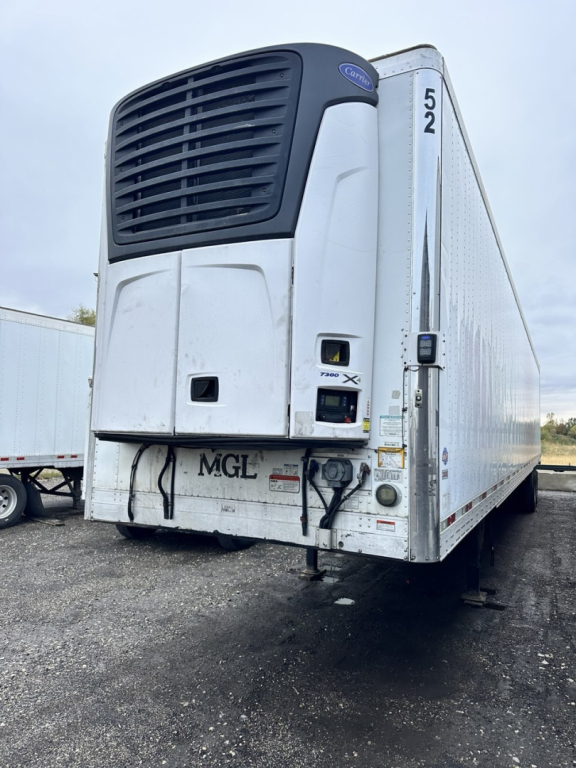
Have cargo van trailer to sell? List it here to reach thousands of buyers.
About Cargo Van Trailers in Illinois
The spec details that matter most usually show up in daily loading efficiency and long-term maintenance. Trailer height, inside width, rear door opening, and logistics post spacing affect how easily the trailer handles pallets, roll cages, and mixed freight. Flooring is a major checkpoint. Hardwood floors remain common, but buyers should pay attention to floor thickness, crossmember spacing, and evidence of forklift wear. Swing doors are still preferred in many dock operations, while roll-up doors can help in route delivery but may reduce rear opening height. Suspension choice also matters. Air ride is widely favored for ride quality and cargo protection, while spring ride may still be found in cost-driven applications. Features like scuff liners, logistic tracks, liftgate prep, tire inflation systems, and aerodynamic side skirts can make a real difference depending on the route profile.
For Illinois operation, corrosion exposure and underbody condition deserve a close look because trailers see winter salt, freeze-thaw cycles, and heavy interstate mileage. Buyers should inspect the roof for patches, the sidewalls for delamination or impact damage, the rear frame for dock strikes, and the landing gear for wear from repeated drop-and-hook use. Brake type, axle rating, wheel-end spec, and tire condition all affect operating cost. Many fleet buyers now prefer trailer ABS as standard and may look for disc brakes on newer specs for easier service and stronger stopping performance. If the trailer is refrigerated, reefer hours, service records, evaporator condition, and door seal integrity are just as important as the trailer chassis itself.
The right cargo van trailer depends on freight type, loading method, and lane structure more than brand alone. A shipper running high-cube dry goods may focus on cubic capacity and door durability, while a grocery or temperature-sensitive operation will care more about insulation performance, reefer runtime, and bulkhead layout. Buyers comparing listings should weigh tare weight against payload, confirm kingpin setting and tandem slide range for bridge-law compliance, and match the trailer to their dock height and tractor spec. A well-matched cargo van trailer holds value because it fits the broadest range of freight, keeps cargo protected, and works across regional and long-haul applications.
Frequently Asked Questions
What is the difference between a cargo van trailer and a dry van trailer?
In most trucking markets, cargo van trailer and dry van trailer refer to the same enclosed freight trailer. The term dry van usually means a standard non-refrigerated enclosed trailer built for palletized freight, boxed goods, retail products, and general dry cargo. Some listings may place refrigerated van trailers in the same broad category, so buyers should verify whether the unit is a true dry van or a reefer with insulation and a refrigeration unit.
What size cargo van trailer is most common?
The 53-foot cargo van trailer is the most common size for over-the-road freight because it offers strong cubic capacity and broad compatibility with dock-based shipping. Shorter lengths such as 28-foot pup trailers are common in LTL and city operations, while 45-foot and 48-foot vans still appear in regional fleets and older trailer groups. The right length depends on your freight density, route restrictions, and loading environment.
What should I inspect first on a used cargo van trailer?
Start with the floor, roof, rear frame, suspension, brakes, tires, and door structure because those areas drive both uptime and repair cost. Look for forklift damage in the floor, leaks or patches in the roof, dock impact damage at the rear, corrosion on crossmembers and landing gear, and uneven tire wear that may point to alignment or suspension issues. On refrigerated versions, reefer hours, service history, insulation condition, and seal integrity should be checked immediately.
Are air ride cargo van trailers worth it?
Air ride is worth serious consideration for fleets hauling fragile, high-value, or damage-sensitive freight because it generally provides better ride quality than spring ride. It can reduce cargo movement, improve product protection, and align with shipper requirements in many dedicated lanes. The tradeoff is added system complexity, so buyers should inspect air bags, valves, and related components carefully on used equipment.
What specs matter most for Illinois cargo van trailer buyers?
Illinois buyers should pay close attention to corrosion, brake condition, suspension wear, and overall structural integrity because winter road salt and heavy freight traffic can accelerate wear. Tandem slide range and kingpin setting matter for bridge-law compliance and load distribution, especially on regional freight lanes. Buyers moving frequent dock freight should also confirm door type, floor condition, and dock-height compatibility to avoid operational headaches.