
Used Wabash Van Trailers For Sale in North Carolina
Browse used Wabash van trailers for sale in North Carolina, including 53-foot Duraplate dry vans with food-grade specs, swing doors, and air ride.
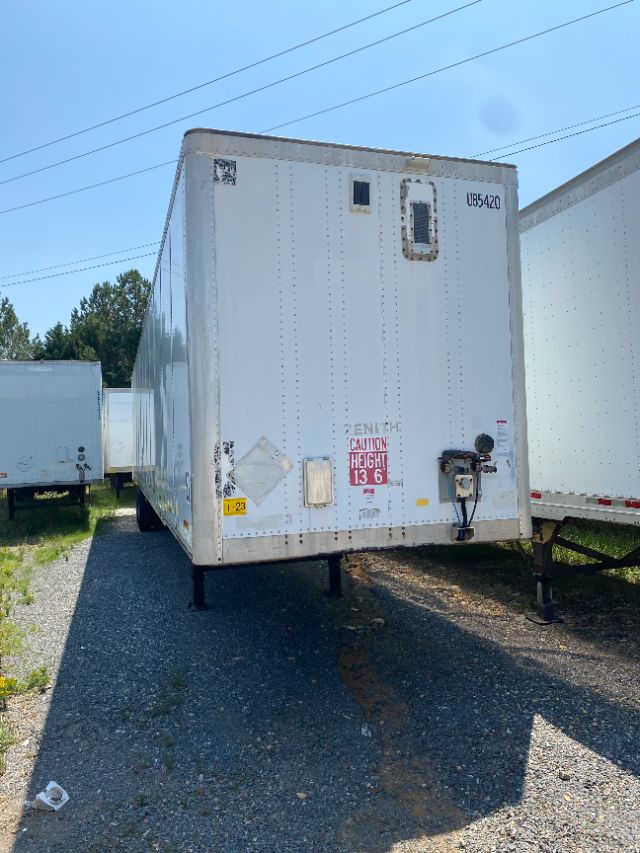
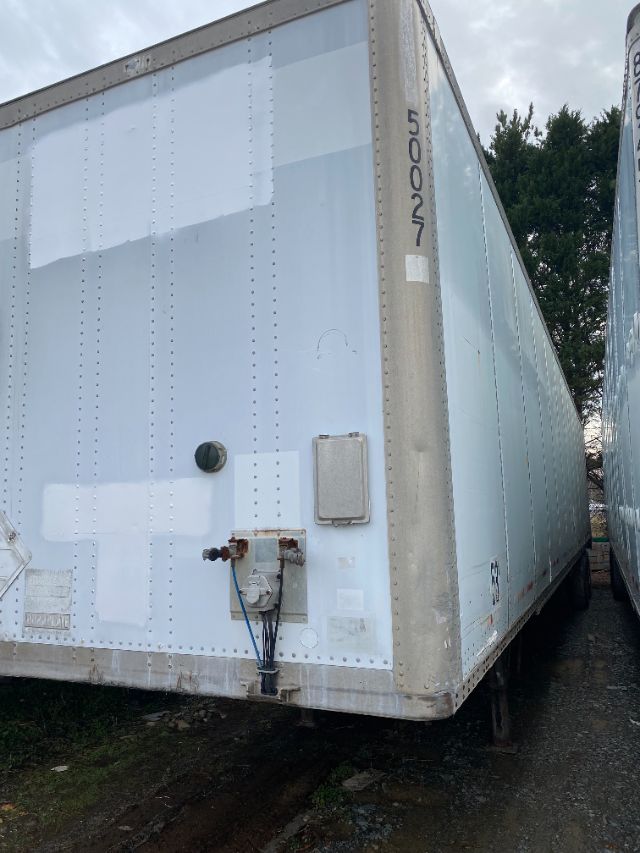
Have used wabash van trailer to sell? List it here to reach thousands of buyers.
Used Wabash Van Trailers in North Carolina
For North Carolina operations, van trailers like these fit a wide range of regional and long-haul freight lanes, from packaged goods and retail freight to palletized food products and general dry freight. Many used Wabash vans are spec'd with swing doors, aluminum roofs, air ride suspension, and logistic posts. Food-grade units can be especially attractive if you need cleaner interior standards for packaged food or sensitive freight, but buyers should still inspect the interior walls, floor wear, odor, stains, moisture intrusion, and door seal condition. Scuff liners, E-track or logistic post layouts, and tire condition also matter if the trailer will rotate between different shippers and load securement requirements.
A used Wabash dry van should also be evaluated around axle spacing, brake type, wheel-end service history, and any trailer skirt or aerodynamic equipment if fuel economy is part of the operating plan. Air ride suspension is common and generally preferred for ride quality and cargo protection, especially on irregular freight or longer routes. Check DOT age and condition on tires, look for uneven wear that could indicate alignment or suspension issues, and review the condition of the landing gear, slider assembly, ICC bumper, hinges, and rear door hardware. On older units, floor fastener pull-through, corrosion around the rear sill, and cracks near the suspension hangers are worth a close look.
Wabash van trailers are also known as dry van trailers, enclosed van trailers, or box trailers in some markets, though dry van is the standard industry term. For many buyers, the decision comes down to balancing age, prior use, and maintenance history against spec. A clean used Wabash Duraplate with straight sides, a sound floor, tight doors, and a solid suspension package can still be a productive trailer for regional distribution, warehouse transfers, and general freight service. The right unit is usually the one with the strongest structural condition and the best match for your freight, dock environment, and compliance needs.
Frequently Asked Questions about Used Wabash Van Trailers in North Carolina
What makes a used Wabash Duraplate van trailer different from a standard sheet-and-post dry van?
Wabash Duraplate trailers use a composite sidewall design that combines durability with a clean interior wall surface. Compared with traditional sheet-and-post construction, Duraplate sidewalls are known for good impact resistance and can reduce the maintenance issues that come from sidewall dents and punctures in heavy dock service. Buyers still need to inspect for delamination, interior damage, wall repairs, and overall structural condition, but the Duraplate design is a major reason many fleets seek out used Wabash vans.
What should I inspect first on a used Wabash van trailer?
Start with the structure and cargo area. Check the floor for soft spots, excessive forklift wear, patched sections, and fastener pull-through. Inspect the sidewalls, front wall, roof, rear frame, and door opening for cracks, leaks, corrosion, and impact damage. After that, move to suspension, brakes, tires, wheel ends, landing gear, and the slider. A trailer with a clean appearance can still have expensive underbody or rear frame issues, so the inspection should cover both the box and the running gear.
Are used Wabash van trailers suitable for food-grade service?
Some are. A used Wabash van trailer described as food grade usually has an interior condition and prior-use profile that may suit packaged food or cleaner freight applications. That said, food-grade suitability depends on the actual condition of the trailer at the time of purchase. Buyers should inspect for odors, stains, moisture damage, residue, floor contamination, and damaged interior surfaces. Door seals and roof condition are especially important because water intrusion can quickly disqualify a trailer from cleaner freight service.
Is air ride suspension worth it on a used dry van trailer?
For many operations, yes. Air ride suspension helps reduce shock transfer to the cargo and is commonly preferred for higher-value freight, longer routes, and shippers that want better ride quality. It can also help with driver acceptance and freight protection compared with rougher-riding suspension setups. On a used trailer, the value depends on condition, so inspect airbags, valves, bushings, shocks, and suspension alignment before assuming the system is a benefit.
What trailer dimensions and specs are most common on used Wabash van trailers?
The most common configuration is a 53-foot by 102-inch dry van with swing doors, tandem axles, and air ride suspension. Many used units also include an aluminum roof, logistic posts, and occasionally aerodynamic equipment such as side skirts. Exact specs can vary by fleet order, so buyers should confirm interior height, floor type, door style, suspension brand, axle rating, and any load securement features before matching a trailer to a specific freight application.