
Used Volvo Conventional Sleeper Trucks For Sale in New Jersey
Shop used Volvo conventional sleeper trucks in New Jersey. Compare VNL specs, D13 power, sleeper sizes, wheelbases, and highway features.
Learn more
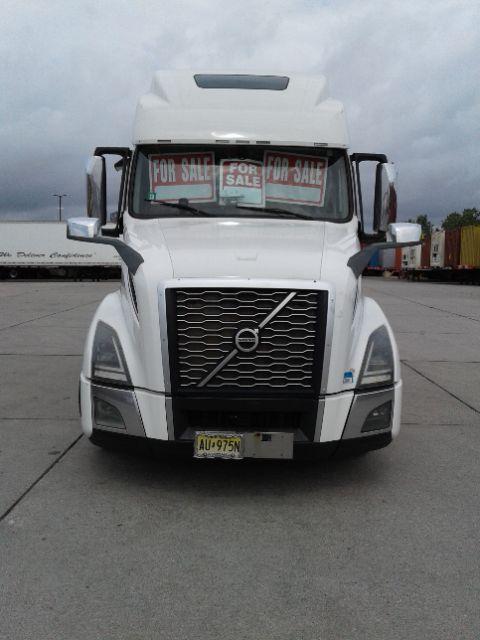
Have used volvo conventional sleeper truck to sell? List it here to reach thousands of buyers.
About Used Volvo Conventional Sleeper Trucks in New Jersey
The biggest buying decisions usually come down to engine rating, transmission, axle setup, and sleeper size. Many used Volvo sleepers are spec'd as 6x4 tractors with horsepower ratings suited for van, reefer, and general freight applications, though some are lighter regional specs and others are built for heavier gross combination weights. Buyers often compare automated manual transmissions against 10-speed or 13-speed manuals based on route profile, driver preference, and maintenance history. Wheelbase, rear axle ratio, and fifth wheel position all affect maneuverability and cruise rpm, so it pays to match the truck to the trailer lengths and freight lanes you actually run. For New Jersey operations, turning radius, bridge and toll exposure, and access to major corridors like the New Jersey Turnpike and I-78 can make spec choices more important than headline horsepower alone.
Volvo sleeper trucks are known for cab ergonomics, visibility, and a driver-focused interior layout. Common features in this class include raised-roof sleepers, double bunks, cabinet storage, inverters, bunk heaters, and integrated aerodynamics that help on fuel burn at highway speed. On the chassis side, buyers should pay close attention to mileage, idle hours, emissions system service records, and the condition of high-wear components such as brakes, tires, suspension, clutch components on manual units, and aftertreatment parts. If the truck will be used in port drayage-adjacent work, Northeast regional freight, or team operation, sleeper layout and service documentation can be just as important as the engine badge.
A strong used Volvo conventional sleeper should be evaluated as a total package, not just by model year. Look at maintenance consistency, ECM history, prior application, and signs of fleet versus owner-operator care. Check for frame condition, air leaks, steering play, bunk HVAC operation, and tire wear patterns that may point to alignment or suspension issues. Buyers comparing multiple Volvo sleepers should also consider emissions compliance, expected parts support, and how the truck's spec fits their trailer mix and average payload. The right truck in this category is the one that holds up on interstate miles, keeps drivers productive, and matches the revenue cycle of the freight it is expected to haul.
Frequently Asked Questions
What is the most common Volvo conventional sleeper model on the used market?
The Volvo VNL is the most common conventional sleeper platform on the used market. It is widely used in long-haul and regional service and is available in multiple sleeper sizes, roof heights, wheelbases, and drivetrain combinations. Buyers often see VNL tractors spec'd with Volvo D13 engines, automated manual transmissions, and 6x4 tandem drive axles, though manual transmission units are also common in older model years.
What should I check first on a used Volvo sleeper truck?
Start with maintenance records, engine and aftertreatment history, mileage, idle hours, and any fault code or ECM information available. After that, inspect wear items and operating systems that directly affect uptime, including brakes, tires, suspension, steering, transmission operation, air system leaks, sleeper HVAC, and bunk equipment. On a Volvo sleeper, it is also smart to verify emissions repairs, look for signs of coolant or oil leaks, and confirm that the truck's spec matches the trailer types and weights you plan to run.
Are Volvo D13 engines a good fit for over-the-road freight?
The Volvo D13 is a common over-the-road engine because it offers a broad power range, good drivability, and a reputation for fuel-efficient highway performance when properly spec'd. It is often paired with aerodynamic VNL sleepers for dry van, reefer, and general freight applications. The right fit depends on horsepower, torque rating, rear axle ratio, and average gross weight, so buyers should match the engine spec to the terrain and payloads they expect rather than choosing by engine name alone.
How important is sleeper size on a used conventional truck?
Sleeper size matters because it affects driver comfort, storage capacity, and suitability for the truck's intended application. A smaller sleeper may work well for regional runs with occasional overnight stays, while a larger raised-roof sleeper with double bunks is better suited for long-haul or team operations. Buyers should consider bunk layout, cabinet space, refrigerator or inverter provisions, and climate control performance, especially if the truck will spend extended time on the road.
What specs matter most for a used Volvo sleeper in New Jersey?
For New Jersey buyers, maneuverability, highway gearing, and application fit are usually the most important specs. Wheelbase and fifth wheel placement affect how easily the truck handles tight yards, urban delivery points, and terminal access, while axle ratio and transmission choice influence fuel economy on turnpike and interstate lanes. Buyers should also consider toll-heavy routes, Northeast traffic conditions, and the truck's ability to balance driver comfort with practical operation in a dense freight market.