
Used Utility Reefer Trailers For Sale in Illinois
Browse used Utility reefer trailers for sale in Illinois. Compare 3000R specs, reefer units, floors, doors, suspension, and maintenance items.
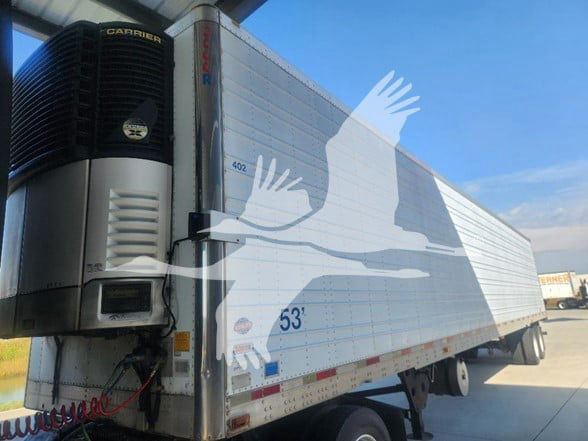

Selling a used utility reefer trailer? List your used utility reefer trailer for sale and reach thousands of commercial buyers.
Used Utility Reefer Trailers in Illinois
For most buyers, the reefer unit and trailer interior matter more than the badge on the nose. Common setups include Thermo King Precedent and Carrier X4 series units, and unit condition should be reviewed by engine hours, maintenance history, start-up behavior, alarm records, and temperature pull-down performance. Inside the box, pay close attention to floor type, chute design, and wall protection. Heavy-duty aluminum duct floors, cold chutes, scuff plates, scuff liners, and E-track can make a big difference depending on whether the trailer is handling palletized frozen freight, hanging product, or mixed-temperature stop work. Rear venting, quilted doors, and stainless door frames are also common details that affect durability and airflow management over time.
Running gear and exterior spec can separate a strong used reefer trailer from one that becomes expensive after purchase. Many Utility reefer trailers are equipped with air ride suspension, sliding tandems, low-profile 22.5 tires, disc or drum brake setups, side skirts, and tire inflation systems. Buyers should inspect tandem rail wear, slider operation, brake life, wheel-end condition, crossmembers, and signs of floor soft spots or impact damage around the rear frame and threshold. On the body, look closely at front radius panels, roof condition, door seals, evaporator area, and any repairs to the nose, corners, or lower side rails. Stainless front corners, stainless door hardware, and aluminum wheels can improve corrosion resistance, especially in Midwest winter conditions where salt exposure is a factor.
A used Utility reefer trailer makes the most sense when the specification matches the freight profile. Swing doors are often preferred for dock freight and maximum opening width, while roll-up doors can help on frequent stop routes where space behind the trailer is limited. If the trailer will be used for food-grade service, buyers should verify interior cleanliness, odor control, and washout history. If it will run heavier payloads, tare weight, floor rating, and reefer unit fuel capacity deserve more attention. Utility reefer trailers have a large installed base, so parts access, resale familiarity, and shop knowledge are generally favorable, but condition always outweighs model year. A well-maintained 3000R with clean insulation, strong door seals, and a documented reefer service record will usually hold value better than a newer trailer with deferred maintenance.
Frequently Asked Questions about Used Utility Reefer Trailers in Illinois
What should I inspect first on a used Utility reefer trailer?
Start with the refrigeration unit, the floor, and the doors. Confirm the reefer unit starts cleanly, reaches set temperature, and shows no active alarms or signs of neglected service. Then inspect the aluminum duct floor for damage, crushed channels, or soft areas that can affect airflow and forklift durability. Finish with the rear frame, door seals, hinges, and threshold because air leaks and impact damage are common cost points on used refrigerated trailers.
What reefer units are commonly found on Utility 3000R trailers?
Utility 3000R reefer trailers are commonly paired with Thermo King Precedent units and Carrier X4 series units. Both are widely supported in the market, but the right choice depends more on current condition, engine hours, service records, and local dealer support than on brand alone. A buyer should review preventive maintenance intervals, operating hours, and temperature performance under load or during a pull-down test.
Are Utility reefer trailers good for Midwest and Illinois operations?
Yes. Utility reefer trailers are widely used in Midwest freight because they are familiar to fleets, broadly serviceable, and often spec'd for demanding regional work. In Illinois, buyers should pay extra attention to corrosion around the rear frame, suspension components, wheel ends, and door hardware due to winter road salt. Features like stainless door frames, stainless front corners, and tire inflation systems can be especially useful in this operating environment.
What floor and interior specs matter most in a refrigerated trailer?
The most important interior specs are floor design, wall protection, and airflow management. A heavy-duty aluminum duct floor helps maintain air circulation under pallets and stands up better to repeated forklift traffic. Scuff plates, scuff liners, E-track, and a cold chute all affect how well the trailer handles loading damage, cargo securement, and temperature consistency. The best setup depends on whether the trailer will haul produce, frozen food, dairy, or multi-stop mixed freight.
Is a roll-up door or swing door better on a used reefer trailer?
It depends on the route and dock environment. Swing doors typically provide a wider clear opening and are common for dock-to-dock food distribution. Roll-up doors can be more convenient on frequent stop routes or in tighter delivery spaces because they do not require rear clearance to open fully. Buyers should evaluate seal condition, hardware wear, and ease of operation on either design because door issues directly affect temperature control and maintenance cost.