
Used Dump Trailers For Sale in Illinois
Used dump trailers for sale in Illinois, including round bottom and square body models for aggregate, asphalt, demolition, and scrap hauling.
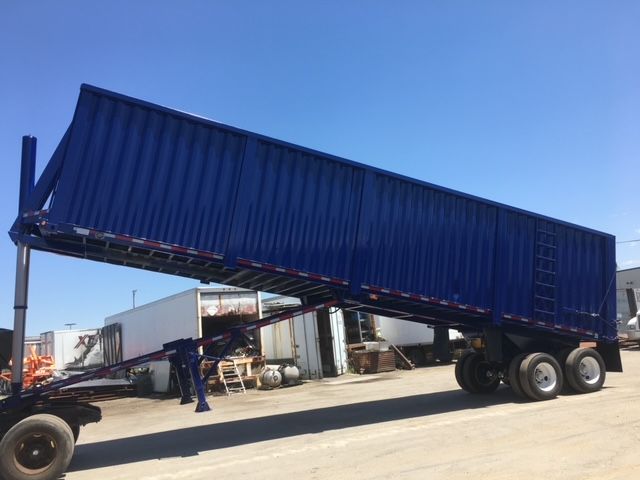
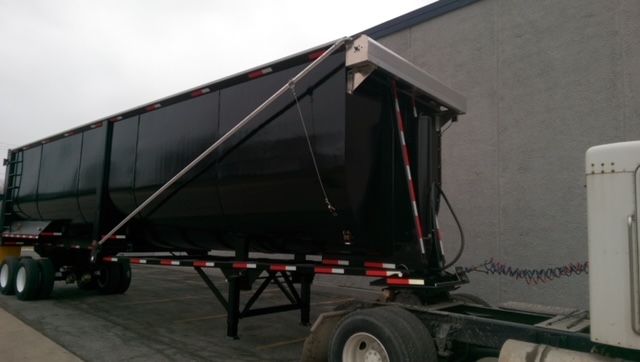

Have used dump trailer to sell? List it here to reach thousands of buyers.
Used Dump Trailers in Illinois
Body construction is a major buying point on a used dump trailer. AR steel such as AR400 or AR450 is common in hard-use applications because it stands up better to abrasion from gravel, riprap, millings, and demolition material. Trailer length in this category often runs around 39 to 40 feet, with tandem or tri-axle setups depending on payload targets and state bridge laws. In Illinois, axle spacing, empty weight, suspension type, and hoist geometry all matter because they affect both legal payload and stability during a dump cycle. Buyers should pay close attention to frame condition, cylinder mounts, crossmember integrity, floor wear, liner condition, and signs of stress cracking around the hinge area.
Spec details can change the trailer's operating cost more than many buyers expect. Electric or manual tarp systems are common, and tire inflation systems can help reduce tire expense on high-mileage or rough-road routes. Suspension choice, tire size, gate style, and brake setup should match the work. A smooth liner and tight gate seals are important if the trailer will haul sand, millings, or finer material. For asphalt service, insulation, a well-sealed tarp, and a body that releases hot mix cleanly are key. For quarry and construction work, focus on durability, rollover resistance, and how well the trailer matches the tractor's wheelbase, fifth wheel height, and hydraulic configuration.
A good used dump trailer should be evaluated as a structural asset, not just a body and hoist. Check for previous weld repairs, uneven tire wear, box alignment, suspension bushing wear, slack adjuster condition, and evidence of hard impacts from loaders. In Illinois fleets, corrosion from winter road treatment can also show up on wiring, air system components, and the underside of the frame. The right trailer is the one that fits the material, route, and legal payload target while keeping tare weight under control and maintenance predictable.
Frequently Asked Questions about Used Dump Trailers in Illinois
What is the difference between a round bottom dump trailer and a square body dump trailer?
A round bottom dump trailer is designed to move material out of the body more efficiently, which helps with cleanout and unloading sticky products such as asphalt, sand, or wet aggregate. A square body dump trailer gives you a flatter floor and more traditional box shape, which can be better for mixed debris, scrap, or materials with larger pieces that need a more versatile body. The best choice depends on the material stream, unloading conditions, and how important fast, complete discharge is to the operation.
What should I inspect first on a used dump trailer?
Start with the structure. Inspect the floor, sidewalls, crossmembers, upper rail, hinge area, hoist mounts, and frame for cracks, patches, distortion, and heavy corrosion. Then check suspension components, axles, brakes, wheel ends, tires, tarp operation, gate function, lights, and air system condition. Uneven wear patterns, fresh paint over repair areas, and repeated weld work near high-stress points can indicate a trailer that has seen hard service.
What body material is best for a used dump trailer?
For abrasive applications, AR steel is the standard because it offers better wear resistance than mild steel. AR400 and AR450 are common choices when the trailer will haul gravel, rock, millings, or demolition material on a regular basis. Aluminum dump trailers can reduce tare weight, but steel bodies are generally preferred for severe-duty hauling where impact resistance and long-term durability are more important than maximum payload.
Are 40-foot dump trailers common in Illinois?
Yes. Around 40 feet is a very common trailer length in this category because it balances capacity, weight distribution, and maneuverability for regional hauling. In Illinois, the right axle configuration and spacing are just as important as body length because legal payload is tied to bridge formula and operating conditions. Buyers should confirm that the trailer spec matches the routes, materials, and tractor setup they plan to run.
What options matter most on a dump trailer used for aggregate or asphalt?
For aggregate service, durable body material, strong suspension, reliable brakes, and good tire management are the priorities. For asphalt, buyers usually place more value on clean release, tarp sealing, insulation when needed, and a body design that handles hot material without excessive carryback. Across both applications, gate style, hoist condition, liner quality, and overall empty weight all have a direct effect on productivity and operating cost.