
Used Peterbilt Trucks For Sale in New York
Browse used Peterbilt trucks for sale in New York, including day cabs and sleepers with PACCAR, Cummins, and CAT powertrains.
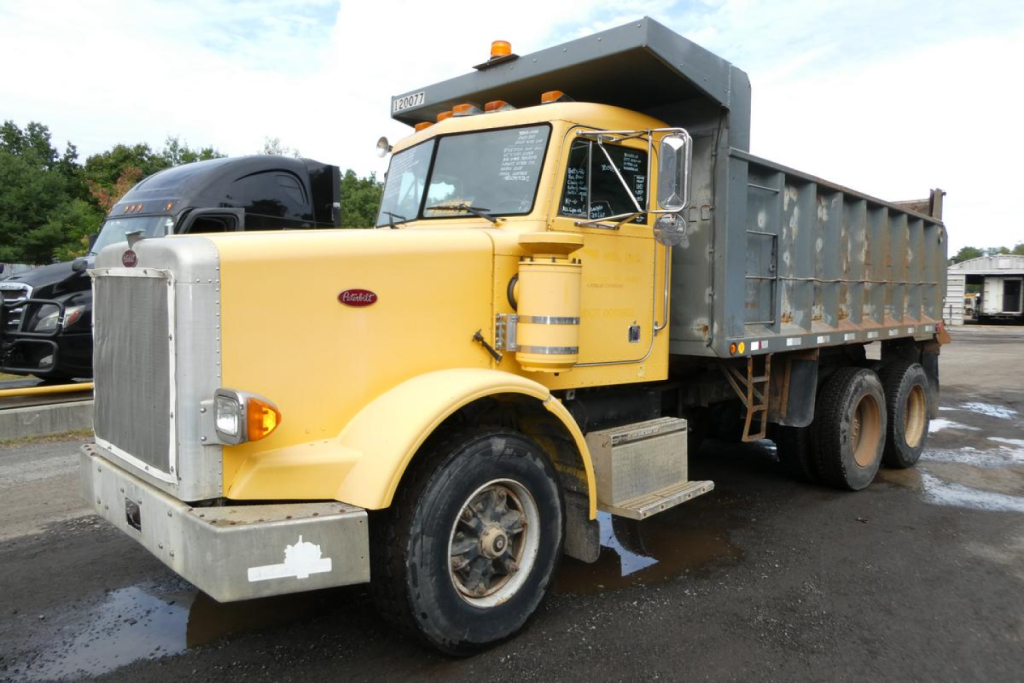
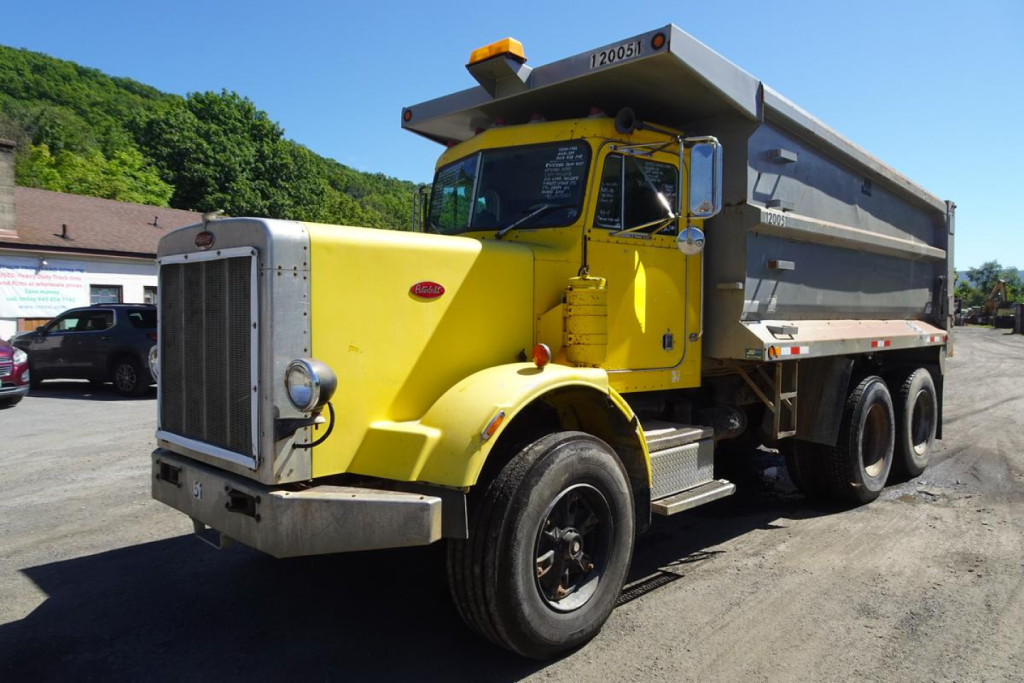
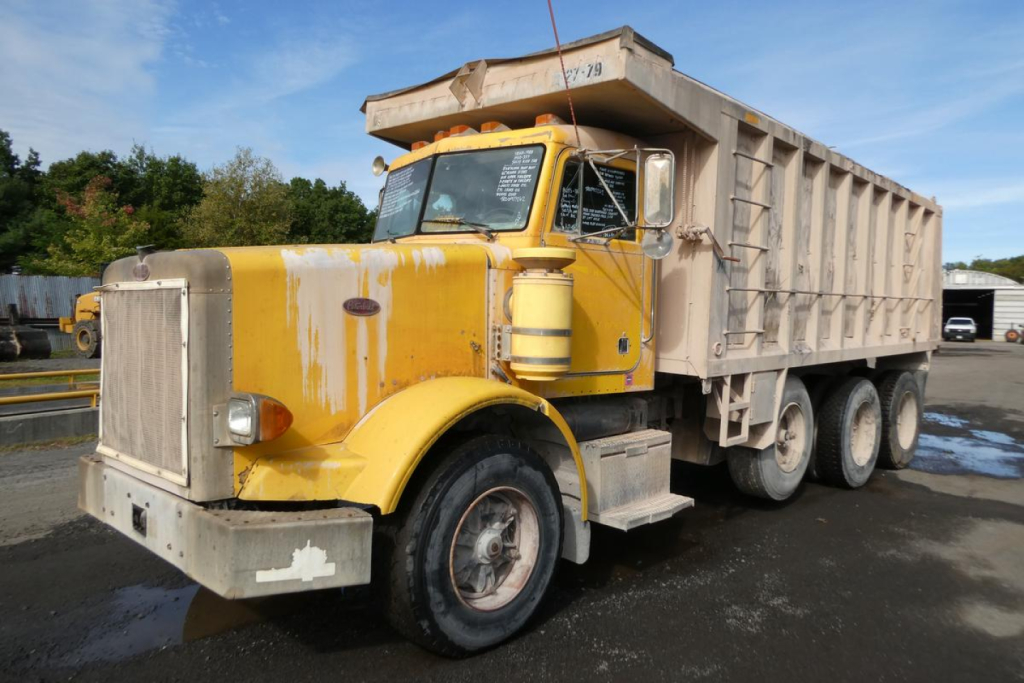
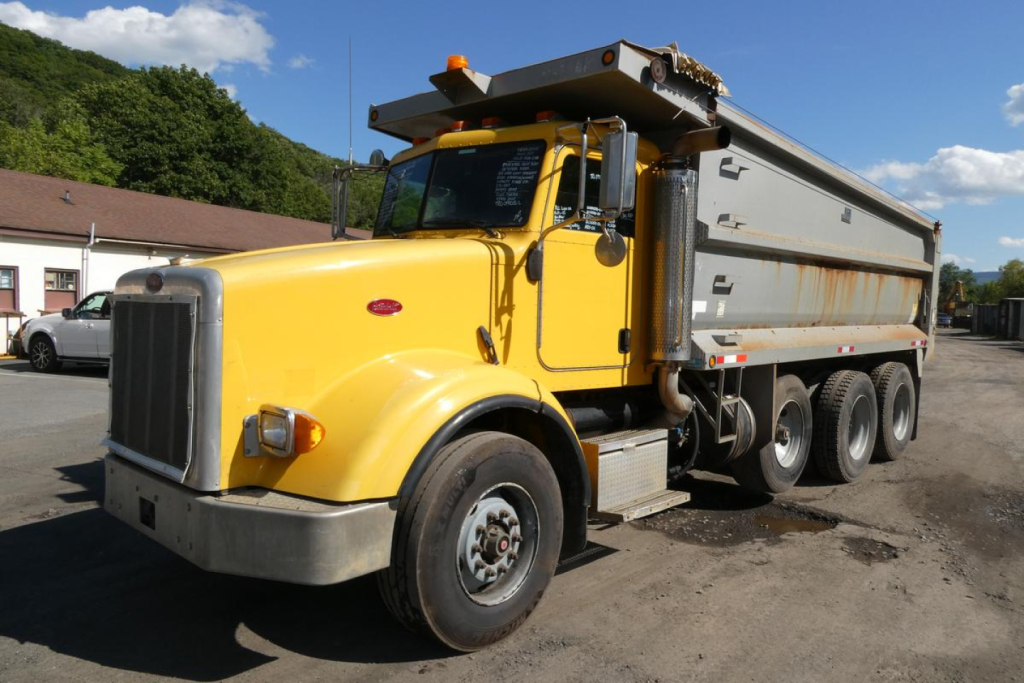
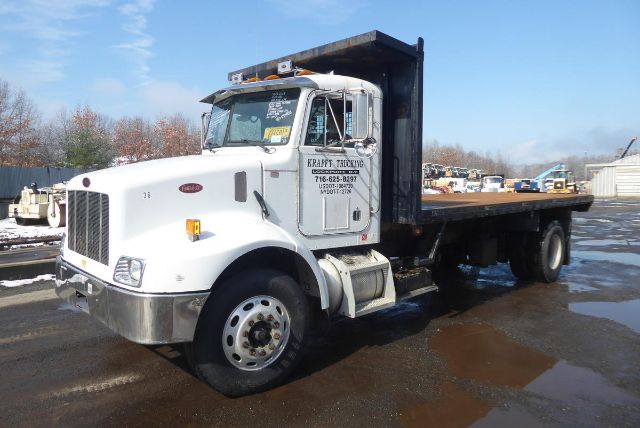

Selling a used peterbilt truck? List your used peterbilt truck for sale and reach thousands of commercial buyers.
Used Peterbilt Trucks in New York
A used Peterbilt buyer should pay close attention to powertrain combinations and axle layout. Common engines in this class include the PACCAR MX-13, Cummins X15, and in older trucks, Caterpillar C15. Transmissions range from 10-speed and 13-speed manuals to automated manuals in newer 579s. Rear axle ratios such as 2.80, 2.93, 3.25, and 3.36 tell you a lot about intended use. Lower ratios usually favor fuel economy at highway speed, while deeper ratios can be better for heavier loads, mixed terrain, or city work. On New York routes with frequent stop-and-go traffic, toll road miles, and tighter terminals, wheelbase, fifth wheel placement, suspension type, and turning radius matter almost as much as horsepower.
Cab and chassis spec can make a major difference in daily operating cost. Many used Peterbilts come with air ride suspensions, 12,000 lb front axles, tandem 40,000 lb rears on sleeper tractors, or lighter single-axle and tag-axle setups on day cabs. Buyers should verify whether the truck has a sliding or stationary fifth wheel, single or double frame, aluminum or steel wheels, and the condition of wear items like brakes, tires, clutch, and emissions components. On later-model emissions trucks, DEF system history, DPF service records, and fault activity are worth reviewing before purchase. A truck that looks clean but has active derate, regen, or sensor issues can quickly become more expensive than a higher-mile truck with documented repairs.
Peterbilt trucks are also known for a more premium interior feel than many competing highway tractors. Features often found in used units include air ride cabs, air ride seats, double-bunk sleepers, factory refrigerators, inverters, and bunk heaters. Those comfort features matter if the truck will stay on over-the-road lanes. For local and regional use, buyers often prioritize shorter wheelbases, lighter curb weight, and simpler specs that are easier to maintain. The best used Peterbilt is usually not the newest one on the page. It is the one with the right axle rating, wheelbase, ratio, engine history, and application match for the freight you plan to haul.
Frequently Asked Questions about Used Peterbilt Trucks in New York
What are the most common used Peterbilt truck models buyers look for?
The most common used Peterbilt highway trucks are the 579, 387, and 384, with the 579 being one of the most sought-after late-model aerodynamic tractors. The 579 is widely used as both a sleeper and day cab, while older 387 models are common in long-haul applications and 384s are often found in regional or mixed-use service. Model choice usually comes down to intended use, emissions preference, and the buyer's comfort with older versus newer electronic systems.
Which engine is better in a used Peterbilt: PACCAR MX-13, Cummins X15, or Caterpillar C15?
Each engine has a different buyer profile. The PACCAR MX-13 is common in newer Peterbilts and can deliver strong fuel economy and integration with the truck's factory electronics, but emissions maintenance history is critical. The Cummins X15 is popular for broad parts support, strong torque, and familiarity across fleets and owner-operators. The Caterpillar C15, found in older trucks, remains desirable for buyers who want a pre-2021-era platform with a strong following, but age, mileage, and prior overhaul history matter more than brand alone.
What should I inspect first on a used Peterbilt truck?
Start with the engine and emissions system, then move to transmission operation, axle ratings, suspension, and frame condition. Pull fault codes if possible and review any signs of DEF derate, DPF cleaning history, injector issues, excessive smoke, coolant loss, or oil contamination. After that, check clutch wear on manual transmissions, shifting behavior on automated manuals, brake and tire condition, fifth wheel type, and signs of frame modification or corrosion. A spec sheet is useful, but service records and a thorough inspection usually tell the real story.
Is a Peterbilt day cab or sleeper better for New York operations?
For most New York regional, local, and short-haul work, a day cab is often the better fit because it is lighter, shorter, and easier to maneuver in tight yards, urban streets, and terminal environments. A sleeper makes more sense for long-haul freight, reefer lanes, or teams that need onboard living space and greater driver comfort. The right choice depends on route length, parking access, bridge and street restrictions, and how often the truck will stay out overnight.
What axle ratio should I look for in a used Peterbilt?
Axle ratio should match the freight and terrain, not just the advertised fuel economy. Ratios in the 2.80 to 2.93 range are common on fuel-minded highway tractors and can work well for lighter or steady-speed linehaul. Ratios like 3.25 or 3.36 are often better suited for heavier loads, more starts and stops, and applications where pulling power matters more than top-gear efficiency. The transmission type, tire size, and expected cruising speed should all be considered along with the ratio.