
Used Peterbilt Conventional Sleeper Trucks For Sale in Oregon
Shop used Peterbilt conventional sleeper trucks in Oregon. Compare specs, sleeper sizes, powertrains, and features for long-haul work.
Learn more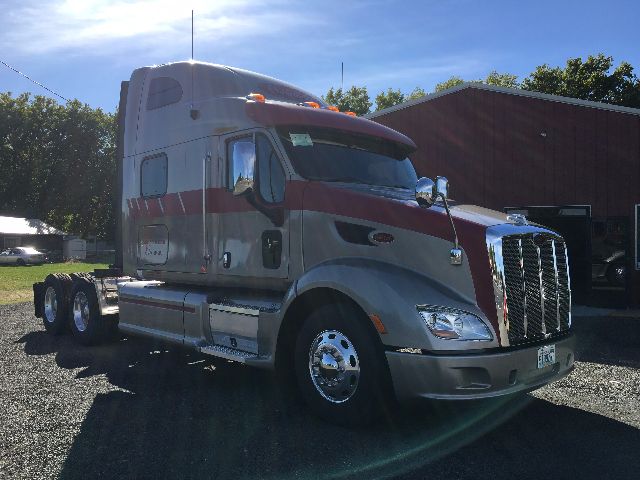
Have used peterbilt conventional sleeper truck to sell? List it here to reach thousands of buyers.
About Used Peterbilt Conventional Sleeper Trucks in Oregon
A buyer should start with the cab and sleeper configuration, then match the powertrain to the route profile. Common Peterbilt sleeper models include aerodynamic platforms such as the 579 and earlier 587, along with vocational-leaning or owner-operator favorites like the 379, 389, and some 386 units set up for sleeper duty. Sleeper sizes vary by wheelbase and application, with compact mid-roof sleepers for regional lanes and larger sleepers for over-the-road use. Engine options in used Peterbilt conventional sleepers often include PACCAR MX series and Cummins ISX or X15 platforms, paired with manual, automated manual, or traditional automatic transmissions. Axle ratios, wheelbase, suspension type, and fuel capacity all affect how the truck performs on western grades and how efficiently it runs at highway speed.
Condition matters more than badge appeal in this segment. On a used sleeper tractor, pay close attention to emissions system history, overhead records, clutch or AMT service, coolant leaks, differential noise, suspension wear, and signs of hard idle hours. Buyers comparing Oregon trucks should also check for corrosion exposure, frame condition, brake wear, fifth wheel movement, and tire pattern consistency across the drives and trailer-facing axle positions. Inside the cab, look at bunk condition, HVAC performance, sleeper controls, cabinet integrity, and driver seat wear. A well-spec'd Peterbilt conventional sleeper with documented maintenance can be a strong fit for fleets and owner-operators who need a truck that is comfortable on multi-day runs and still practical to service.
The spec details that separate one used Peterbilt sleeper from another are usually practical, not cosmetic. Fuel tank size, fairing package, roof height, tandem setup, locking differential spec, and PTO provision all affect daily use. For buyers hauling reefer, dry van, or general freight, aerodynamic fairings and highway gearing usually matter most. For heavier lanes or mixed terrain, suspension rating, torque output, and cooling capacity deserve a closer look. Peterbilt conventional sleeper trucks, also known as sleeper cab semi tractors, remain a staple of the highway market because they balance driver comfort, brand familiarity, and flexible spec choices across a wide range of freight applications.
Frequently Asked Questions
What is the difference between a Peterbilt conventional sleeper and a day cab?
A Peterbilt conventional sleeper has a built-in sleeping compartment behind the cab, while a day cab does not. That sleeper space adds room for overnight runs, onboard storage, and more driver comfort on extended trips. Sleeper tractors are typically chosen for over-the-road, regional, and dedicated routes where the driver spends multiple nights away from home.
Which Peterbilt sleeper models are common on the used market?
Common used Peterbilt conventional sleeper models include the 579, 587, 389, 386, and older 379 units. The 579 and 587 are generally associated with aerodynamic highway applications and fuel economy, while the 389 and 379 are often favored by buyers who want a traditional long-hood truck with strong owner-operator appeal. Exact specs vary widely by original application, so model name alone does not tell the full story.
What should I inspect first on a used Peterbilt sleeper truck?
Start with engine and emissions service history, transmission operation, rear axle condition, suspension wear, and any evidence of coolant or oil leaks. Then check the sleeper itself, including bunk condition, HVAC, cabinets, seals, and electrical accessories. A used sleeper tractor should also be evaluated for frame condition, fifth wheel wear, tire matching, brake life, and signs of excessive idle hours or deferred maintenance.
Are Peterbilt conventional sleeper trucks a good fit for Oregon routes?
They can be a very good fit because Oregon operations often combine interstate highway miles with mountain passes, changing weather, and mixed freight weights. A sleeper tractor with the right horsepower, torque, axle ratio, and cooling package can handle longer western routes more comfortably than a day cab. Buyers should pay close attention to gearing, brake condition, and engine performance on grades if the truck will spend time in elevated terrain.
What powertrain options are common in used Peterbilt sleeper tractors?
Used Peterbilt conventional sleepers are commonly equipped with PACCAR MX engines or Cummins ISX and X15 engines, depending on year and spec. Transmission choices often include manual gearboxes, automated manuals, and some full automatics. The best combination depends on the freight, terrain, driver preference, and maintenance strategy, since each setup affects fuel economy, drivability, and long-term service cost.