
Used Ledwell Trailers For Sale
Browse used Ledwell trailers built for heavy-duty hauling, with durable steel construction, specialized decks, and equipment-ready designs.
Learn more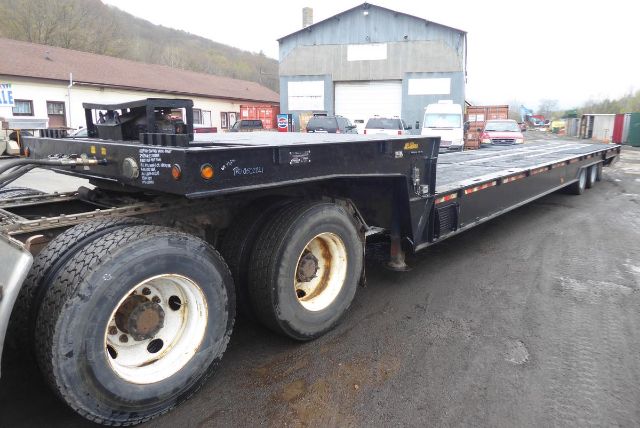
Have used ledwell trailer to sell? List it here to reach thousands of buyers.
About Used Ledwell Trailers
A buyer comparing used Ledwell trailers should pay close attention to deck layout, hydraulic systems, axle setup, and concentrated load ratings. Common specs include steel main frames, wood or wood-over-steel flooring, tandem axle configurations, air ride or spring suspension, and 102-inch legal width. On hydraulic deck models, important details include top deck length, main deck height, rear hydraulic ramp or tail operation, cylinder condition, and whether the power unit and controls operate smoothly under load. Tire size, wheel type, brake life, and axle spacing also matter, especially if the trailer will spend time on uneven jobsite surfaces or run at highway weight on a regular basis.
Ledwell trailers are often chosen because the design supports real equipment loading instead of just static freight transport. A lower main deck, usable beavertail or hydraulic rear section, and strong load concentration capacity can make a major difference when hauling skid steers, mini excavators, forklifts, tractors, or other wheeled and tracked machines. Buyers should verify deck length against actual machine footprint, check ramp width and traction surface, and inspect the floor around high-stress loading zones for cracking, rot, or steel fatigue. Suspension condition, kingpin area integrity, frame straightness, and signs of prior weld repairs are especially important on used heavy-duty trailers.
For buyers focused on long-term value, a used Ledwell trailer should be evaluated as a working tool rather than just a length and weight rating on paper. Hydraulic leaks, uneven tire wear, brake balance, and wear at hinge points or fold-under tail components can affect uptime and repair cost quickly. If the trailer will handle concentrated equipment loads, confirm the rating in the first portion of the deck and match it to the machines being hauled. Ledwell trailers tend to hold interest with operators who need specialized hauling capability, and the right used unit can be a cost-effective option when the deck design, structure, and hydraulics line up with the work.
Frequently Asked Questions
What are used Ledwell trailers commonly used for?
Used Ledwell trailers are commonly used for hauling construction equipment, agricultural machinery, industrial support equipment, and other heavy or wheeled freight that benefits from easier loading access. Many Ledwell models are designed with hydraulic ramps, tails, or specialized drop deck layouts that make them especially useful for skid steers, mini excavators, tractors, forklifts, and similar machines. Their value is usually in the loading design and concentrated deck strength, not just overall trailer length.
What should I inspect first on a used Ledwell trailer?
Start with the frame, deck structure, and hydraulic system. Check for cracks, repairs, rust scaling, bent crossmembers, worn hinge points, and leakage at cylinders, hoses, and fittings. On equipment-style Ledwell trailers, the loading area takes the most abuse, so inspect the rear deck, ramp sections, beavertail area, and floor around track paths closely. After that, review suspension condition, brake wear, tire wear patterns, and axle alignment to see how the trailer has been maintained.
Are Ledwell trailers good for equipment hauling?
Ledwell trailers are widely regarded as strong candidates for equipment hauling because many of their designs are built around practical machine loading. Lower deck heights, hydraulic rear sections, and heavy-duty steel construction help reduce loading angle and improve stability when moving compact and medium-sized equipment. The key is matching the trailer’s usable deck dimensions and concentrated load rating to the actual machine weights and axle placement of the equipment being transported.
Why does concentrated load rating matter on a used Ledwell trailer?
Concentrated load rating matters because equipment weight is not spread evenly across the entire deck. A skid steer, excavator, or tractor places a large share of its weight in a relatively short section of the trailer, often through tracks or axle contact points. A trailer may have an 80,000-pound GVWR and still have practical limitations on where that weight can sit. Knowing the load concentration rating helps prevent overloading the deck structure and reduces the risk of frame fatigue or floor damage.