
Used Freightliner Conventional Sleeper Trucks For Sale in Tennessee
Browse used Freightliner conventional sleeper trucks in Tennessee. Compare Cascadia specs, sleeper sizes, powertrains, and regional or OTR fit.
Learn more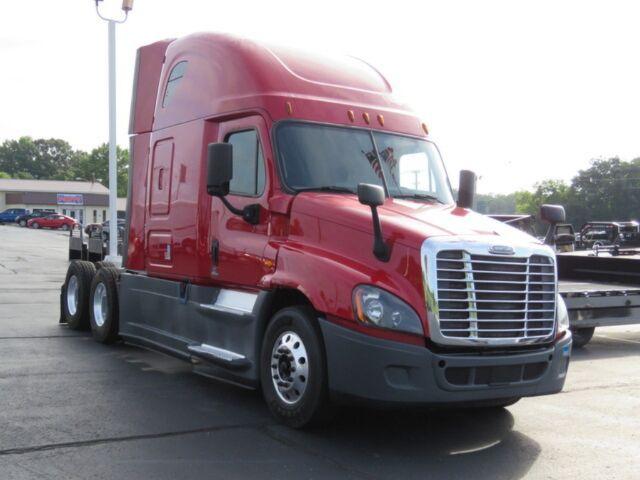
Have used freightliner conventional sleeper truck to sell? List it here to reach thousands of buyers.
About Used Freightliner Conventional Sleeper Trucks in Tennessee
The first buying decision is usually sleeper size and powertrain. Conventional sleeper trucks are road tractors with a raised-roof or mid-roof cab and an integrated bunk area behind the seats, built for overnight runs and extended time on the road. Common sleeper configurations range from compact mid-roof sleepers for regional work to larger raised-roof sleepers with more storage and stand-up room for over-the-road use. On used Freightliner units, buyers typically compare Detroit diesel engines, automated manual transmissions, rear axle ratios, wheelbase, and fuel capacity. A lighter regional spec may prioritize maneuverability and weight savings, while an OTR spec usually leans toward larger tanks, longer wheelbase, fairings, and a sleeper layout that supports week-long trips.
A used Freightliner conventional sleeper should be evaluated beyond mileage alone. Engine hours, idle time, emissions system history, transmission calibration records, and maintenance documentation often tell more than the odometer. Buyers should look closely at aftertreatment service, coolant leaks, turbo condition, suspension wear, fifth wheel condition, and cab mounting points. Interior wear matters too because it reflects driver use and downtime habits. On Freightliner sleepers, pay attention to bunk HVAC operation, dash electronics, collision mitigation or lane system functionality if equipped, and signs of water intrusion around door seals or sleeper compartments. Tire wear patterns and alignment history can also reveal how the truck was spec'd and maintained.
For Tennessee buyers, application matters as much as brand. A Freightliner conventional sleeper used in dry van or reefer service may need different gearing and fuel capacity than one pulling flatbed across grades in East Tennessee. Freightliner trucks are widely used in for-hire fleets, dedicated lanes, and private carriage, so the used market includes both efficiency-focused fleet specs and more driver-oriented configurations. A well-matched sleeper truck can lower operating cost, support driver retention, and fit the freight network you run today without forcing compromises on comfort or serviceability.
Frequently Asked Questions
What is a Freightliner conventional sleeper truck?
A Freightliner conventional sleeper truck is a highway tractor with a hooded conventional cab and a built-in sleeper compartment behind the driver and passenger seats. It is designed for regional and over-the-road freight where drivers may spend nights in the truck. Freightliner conventional sleepers are commonly used for dry van, reefer, flatbed, and dedicated lane work, with the Cascadia being one of the most recognized models in the used market.
What should I check first on a used Freightliner sleeper?
Start with maintenance records, engine hours, mileage, and emissions system history. After that, inspect the powertrain for leaks, fault codes, aftertreatment service history, clutch or automated transmission performance, suspension wear, and fifth wheel condition. In the cab and sleeper, check HVAC performance, bunk condition, electrical accessories, and signs of heavy idle use or water intrusion. A clean service history usually matters more than appearance alone.
Is a mid-roof or raised-roof sleeper better for Tennessee operations?
It depends on the route and length of haul. A mid-roof sleeper can work well for regional freight, shorter overnight runs, and applications where lower weight and a more compact profile matter. A raised-roof sleeper is usually the better fit for over-the-road work because it gives the driver more headroom, storage, and living space. For trucks running long interstate lanes across Tennessee and neighboring states, a raised-roof configuration is often the more practical choice.
Are used Freightliner Cascadia sleeper trucks good for fuel economy?
Yes, many used Freightliner Cascadia sleeper trucks are bought specifically for fuel efficiency. Aerodynamic bodywork, integrated fairings, automated manual transmissions, and matched Detroit powertrains helped make the Cascadia a common fleet choice. Actual fuel economy still depends on axle ratio, speed, load profile, idle habits, and terrain, so buyers should compare the truck’s original spec with the freight it will actually haul.
Why are Freightliner sleeper trucks common in the used market?
Freightliner sleeper trucks are common because they were purchased in large numbers by major fleets and private carriers. That creates a broad used supply with a wide range of years, sleeper sizes, and engine-transmission combinations. It also helps with parts availability, dealer support, and technician familiarity, which are important advantages when managing downtime and repair cost.