
Used Excavators For Sale
Browse used excavators for digging, trenching, demolition, and site work. Compare operating weight, reach, undercarriage, hydraulics, and attachments.
Learn moreBrowse Excavators Trucking Equipment by Make
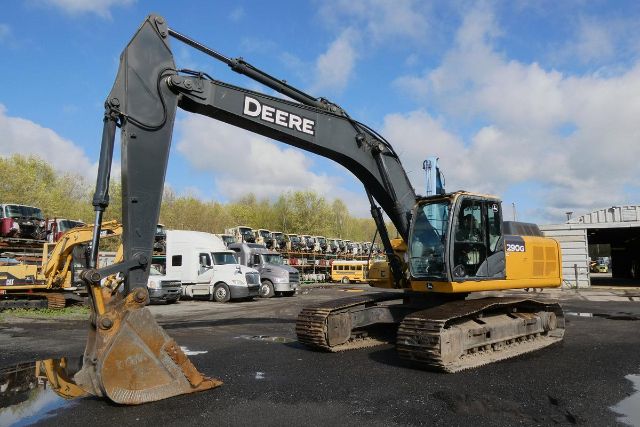
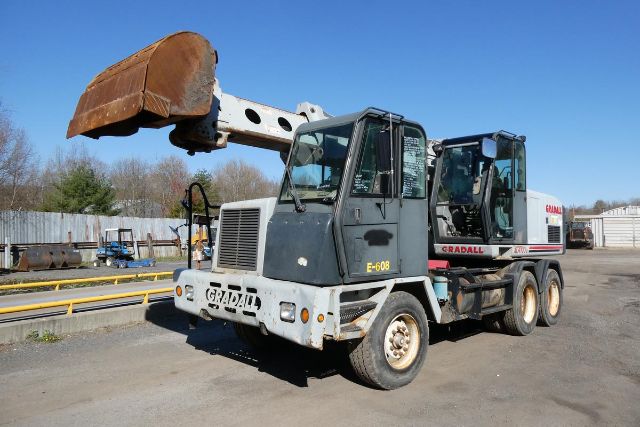
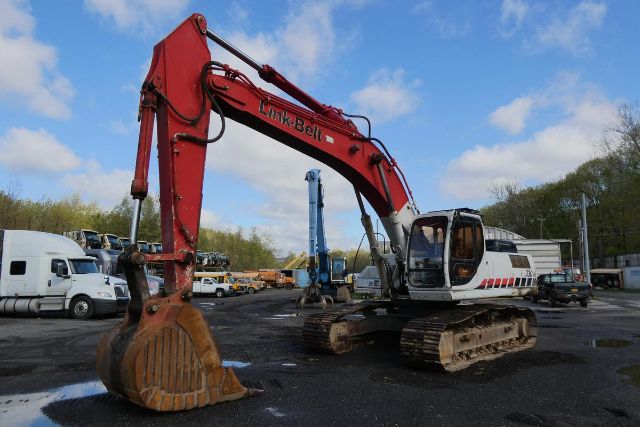
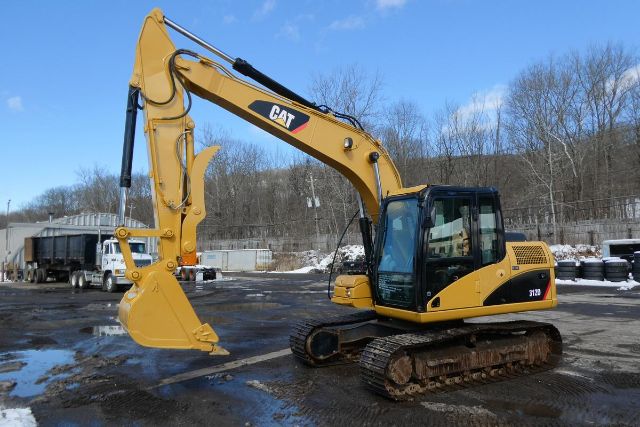
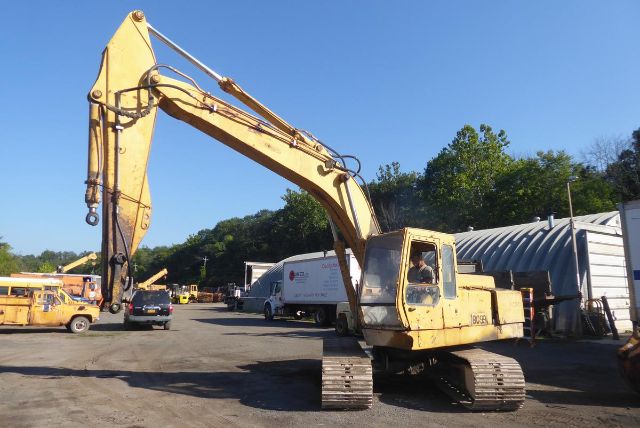
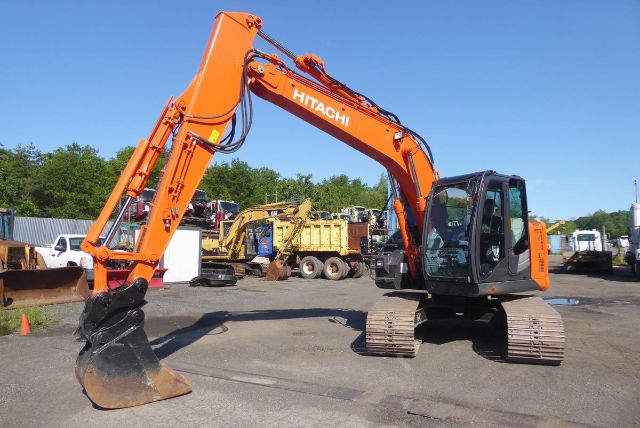
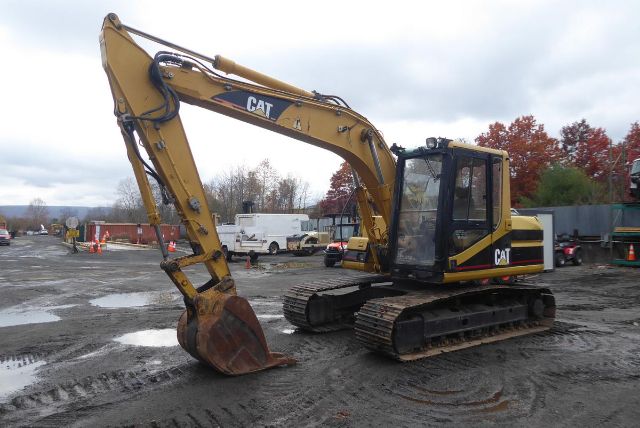
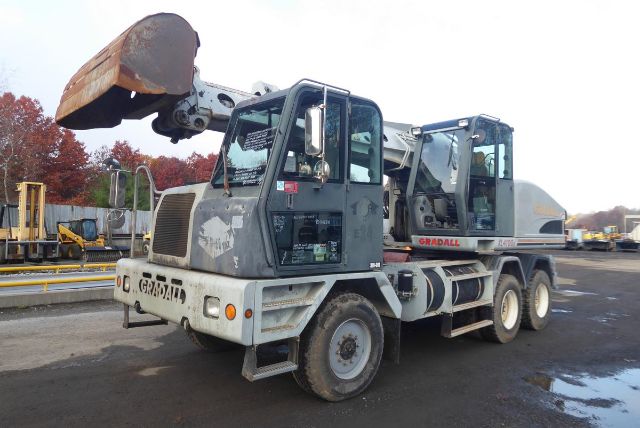
Showing 1 to 12 of 14 results
Have used excavators trucking equipment to sell? List it here to reach thousands of buyers.
About Used Excavators
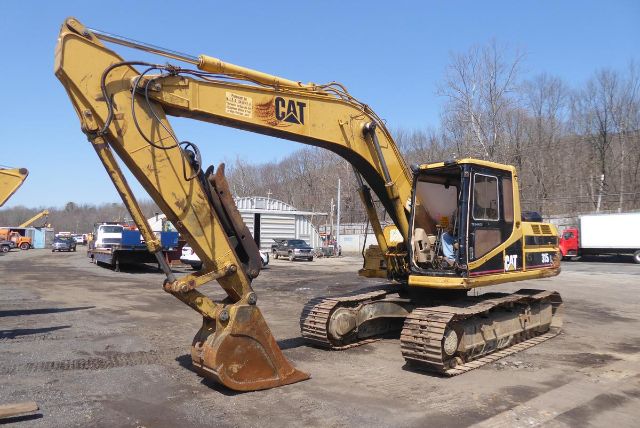
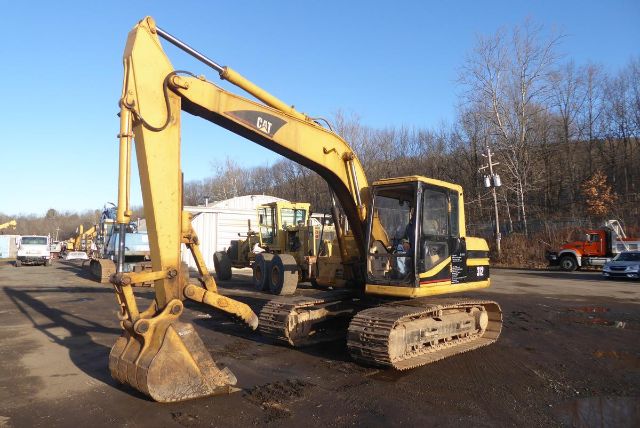
The most important used-buying checkpoints are undercarriage condition, hydraulic health, and structural wear. Track chains, pads, rollers, sprockets, and idlers can represent a major ownership cost on crawler excavators, so undercarriage percentage and visible wear matter. On any used machine, look closely for seepage at cylinders, weak travel motors, excess play in boom, stick, and bucket pins, and signs of ring gear or swing bearing wear. Hour meter readings help, but service history, cold-start behavior, and how the machine functions under load often tell you more than hours alone. An enclosed cab with working air conditioning, joystick controls, auxiliary hydraulic lines, quick coupler setup, and a hydraulic thumb can add real value depending on the work.
Specs vary widely by class, but common comparison points include engine horsepower, shipping width, boom and stick length, bucket size, track type, and overall transport weight. Rubber-track excavators are popular where surface protection matters, while steel tracks with triple grouser pads remain standard for heavier dirt work and rough ground. Zero tail swing and reduced tail swing excavators help in confined spaces near traffic, structures, or utilities. For truck-mounted excavators, pay attention to axle ratings, wheelbase, stabilizer condition, drivetrain specs, and whether the upper works are powered cleanly off the truck engine. If you are matching a machine to attachment work, confirm available auxiliary hydraulics and flow requirements for thumbs, breakers, augers, or specialty buckets.
A good used excavator should match the job before it matches the price. A lighter compact machine may be the right choice for landscaping, small utility work, and backyard access, while a 35,000 to 45,000 lb class crawler is more at home in production trenching and site prep. Bucket configuration, quick disconnect style, blade presence on compact units, and transport dimensions all affect daily usability. Buyers comparing used excavators should focus on condition at pivot points, hydraulic responsiveness, swing performance, undercarriage life, and attachment readiness, because those factors have the biggest impact on uptime and total cost after purchase.
Frequently Asked Questions
What should I inspect first on a used excavator?
Start with the undercarriage, hydraulic system, and pin and bushing wear. On a crawler excavator, track chains, rollers, idlers, sprockets, and pads are expensive wear items, so undercarriage life has a direct effect on total ownership cost. Check cylinders for leaks, inspect hoses and fittings, and test boom, stick, bucket, swing, and travel functions under load. Excess play at the bucket, stick, boom foot, or swing area can indicate ongoing repair needs that are more important than the hour meter by itself.
What size used excavator is best for my work?
The right size depends on access, production targets, transport limits, and attachment needs. Compact excavators are better for restricted access, residential work, and lighter utility jobs where low ground disturbance and easy hauling matter. Mid-size and full-size excavators offer greater digging depth, lift capacity, and breakout force for trenching, site development, and heavier construction work. Buyers should compare operating weight, shipping width, tail swing, and reach against the actual jobs the machine will perform most often.
Are truck-mounted excavators different from crawler excavators?
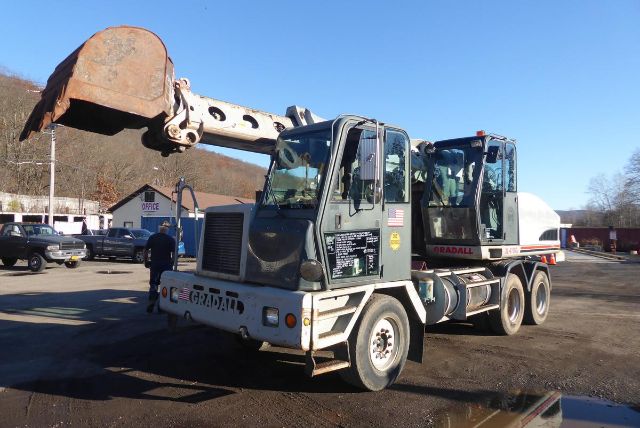
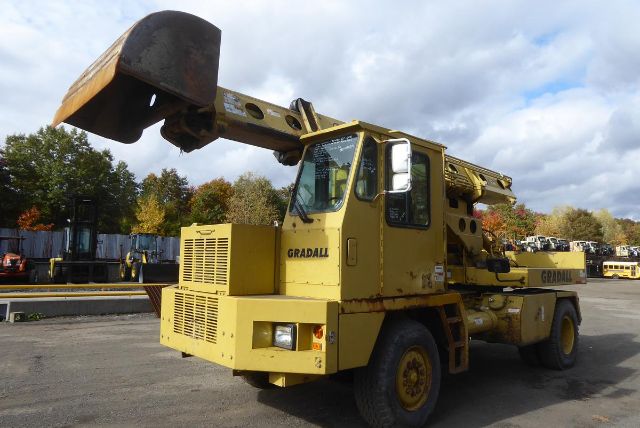
Yes. Truck-mounted excavators, including many Gradall-style machines, trade some traditional crawler capability for road speed and mobility between jobs. They are commonly used for ditching, municipal maintenance, railroad work, and applications where frequent relocation is part of the day. Buyers should evaluate not only the boom and hydraulic system, but also the truck chassis, axle ratings, suspension, transmission, stabilizers, and tire condition because both the carrier and the upper structure affect performance and maintenance cost.
How important are auxiliary hydraulics and quick couplers on a used excavator?
They are very important if the machine will run more than a standard digging bucket. Auxiliary hydraulic lines are needed for attachments such as hydraulic thumbs, breakers, augers, and specialty tools, and the available flow and pressure must match the attachment requirements. A quick coupler or quick disconnect bucket setup reduces changeover time and makes the machine more versatile on mixed-duty jobs. If attachment use is part of the plan, buyers should verify the plumbing, coupler type, and actual operating condition rather than assuming the machine is fully ready.
Do hours tell the full story on a used excavator?
No. Hours are useful, but they do not tell the full story without maintenance history and a functional inspection. A higher-hour excavator that starts cleanly, has strong hydraulics, tight pins, a healthy undercarriage, and documented service can be a better buy than a lower-hour machine with neglected wear points. Evaluate cold starts, smoke, hydraulic response, travel power, swing smoothness, cylinder condition, and visible structural repairs to get a more accurate picture of remaining service life.