
Used Caterpillar Excavators For Sale
Browse used Caterpillar excavators for sale. Compare Cat hydraulic excavator sizes, operating weights, undercarriage condition, and common specs.
Learn more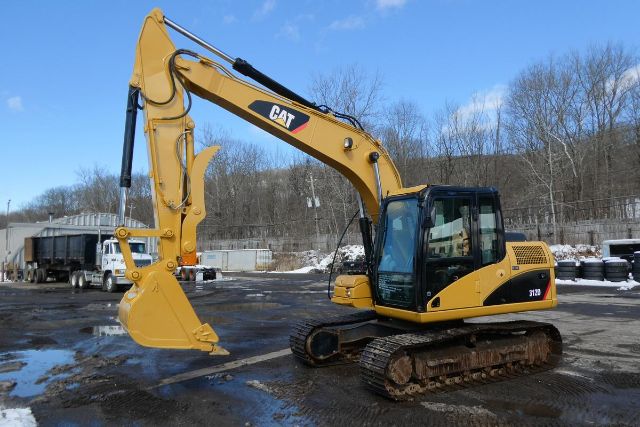
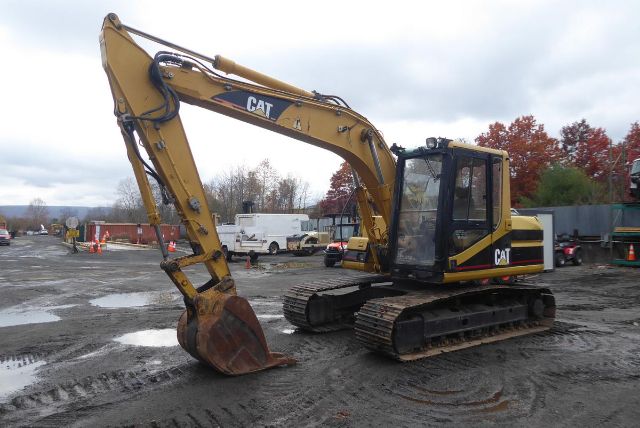
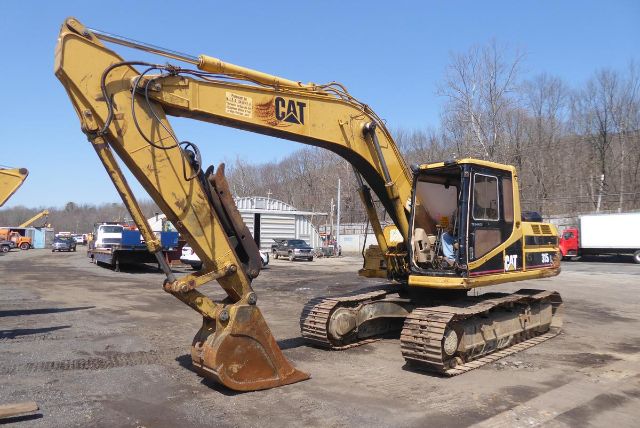
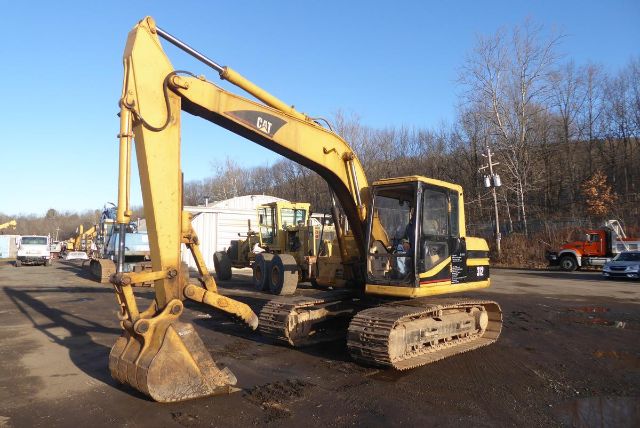
Have used caterpillar excavators trucking equipment to sell? List it here to reach thousands of buyers.
About Used Caterpillar Excavators
On used Cat excavators, undercarriage condition is one of the biggest value drivers. Track pad width, roller count, sprocket wear, chain life, and overall undercarriage percentage can change ownership cost quickly. Pin and bushing wear matters too, especially on higher-hour machines that may show looseness in the boom, stick, bucket linkage, or thumb. Hydraulic cylinder seepage is another common inspection point. Boom, stick, and bucket cylinders should be checked for leaks, rod damage, and drift under load. A machine that runs well but needs undercarriage work or cylinder resealing can still make sense, but the repair cost needs to be built into the purchase decision.
Caterpillar excavators are well known for strong parts support, familiar controls, and dependable hydraulic systems, which is one reason older Cat machines remain active in contractor and fleet service. Common specs in this category include hydrostatic travel drives, enclosed cabs, joystick controls, diesel engines in roughly the 80 to 100 horsepower range for many older and midsize units, and operating weights around 28,000 to 36,000 pounds. Many used machines also carry hydraulic thumbs, multiple buckets, or extra auxiliary valves for running attachments. For buyers moving machines between jobs, transport dimensions and legal hauling weight are just as important as digging depth or bucket size.
Cab condition and service history can tell you a lot about how a used excavator was treated. Pay attention to starting behavior, cold idle quality, final drives, slew bearing play, travel tracking, swing smoothness, and how the hydraulics respond at full operating temperature. A well-kept used Caterpillar excavator can still deliver strong production, but the best buy is usually the one with a sound engine, tight hydraulics, honest hour meter, and a wear pattern that matches its age and application. Matching the machine size to the work is just as important as make and model, especially if the excavator will be hauled often or used in tighter urban jobsites.
Frequently Asked Questions
What should I inspect first on a used Caterpillar excavator?
Start with the undercarriage, hydraulic system, and engine condition. Undercarriage wear on tracks, rollers, idlers, and sprockets can represent a major expense. Check boom, stick, and bucket cylinders for leaks, inspect pins and bushings for excess play, and confirm the machine starts easily and runs clean both cold and warm. Final drives, swing bearing movement, and travel performance should also be tested before purchase.
Are older Cat 312 and 315 excavators still good machines for contractors?
Yes, many older Cat 312 and 315 excavators remain productive in utility, excavation, and site work if they have been maintained properly. These machines are popular because they offer practical operating weights, solid hydraulic performance, and broad parts availability. The key is condition, not just model year. A well-maintained older machine can outperform a newer unit that has been neglected.
How important is undercarriage percentage on a used excavator?
Undercarriage percentage is very important because it directly affects near-term repair cost and uptime. A machine with low remaining undercarriage life may still be priced attractively, but replacing chains, pads, rollers, idlers, and sprockets can add substantial cost. Buyers should compare the advertised price against the expected undercarriage work and factor that into total cost of ownership.
What attachments are common on used Caterpillar excavators?
Common attachments include general purpose digging buckets, trench buckets, hydraulic thumbs, couplers, and sometimes extra hydraulic circuits for hammers or other tools. The presence of a thumb or auxiliary hydraulics can make a used excavator much more versatile for demolition, pipe placement, land clearing, and material handling. Buyers should confirm attachment compatibility, pin size, and hydraulic plumbing before relying on accessory value.
What size used Caterpillar excavator is easiest to transport?
Transport ease depends on operating weight, overall width, boom configuration, and local hauling regulations. Midsize Cat excavators in the roughly 28,000 to 36,000 pound range are common because they still offer good digging capability while remaining manageable for many hauling setups. Buyers should verify shipping length, width, height, and trailer requirements before choosing a machine for a multi-job fleet.