
Used John Deere Excavators For Sale
Shop used John Deere excavators with insight on operating weight, undercarriage, hydraulics, attachments, transport dimensions, and wear points.
Learn more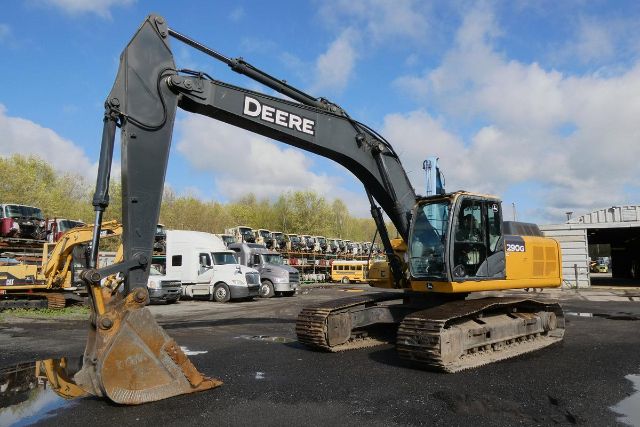
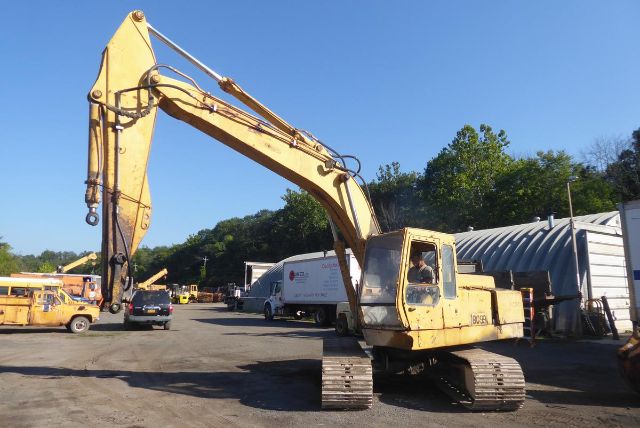
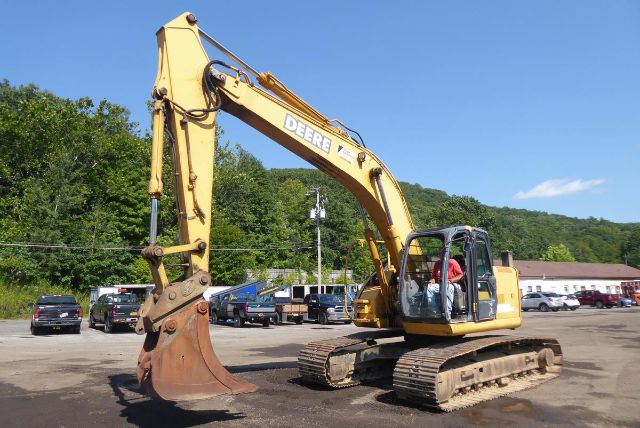
Have used john deere excavators trucking equipment to sell? List it here to reach thousands of buyers.
About Used John Deere Excavators
John Deere excavators are known for straightforward control layouts, strong breakout performance, and parts support that matters on older iron. Many used units on the market are fitted with auxiliary hydraulics, third valve plumbing, quick couplers, and general-purpose buckets, which makes them easier to adapt for hammers, thumbs, compactors, or specialty attachments. Engine packages vary by generation, with older machines often using mechanical-injection diesel engines and newer models moving to electronically controlled Deere powerplants. Buyers comparing Deere excavators should pay close attention to boom and stick pin play, house bearing looseness, cylinder seepage, swing gear wear, and any signs of hydraulic drift or weak travel power. On a used excavator, these condition items typically affect real ownership cost more than advertised horsepower alone.
Undercarriage condition is one of the most important value drivers in a used crawler excavator. Track pad width, chain wear, roller condition, sprocket life, and remaining undercarriage percentage can change the economics of a machine quickly, especially in heavier Deere models where replacement cost is significant. A machine showing 60 to 70 percent undercarriage can present a very different value proposition than one near the end of wear life, even if both are operational. Cab condition also deserves a close look. Enclosed cabs, joystick controls, HVAC function, glass integrity, and monitor operation all matter if the machine will be used for long shifts or sold later into a more demanding retail market. Service history, hour meter accuracy, cold-start behavior, and visible blow-by should be weighed alongside cosmetic appearance.
For many buyers, the right used John Deere excavator is the one that matches attachment needs, hauling limits, and expected repair budget. A longer stick may help in trenching and loading reach, while a heavier long-carriage machine may offer better stability for production digging. Utility contractors may prioritize auxiliary lines and tighter transport dimensions, while earthmoving crews may focus on bucket size, cycle speed, and undercarriage life. Reviewing bucket tooth condition, cylinder dryness, slew ring play, final drive noise, and the condition of pins and bushings will usually tell more about the machine than paint or decals. John Deere excavators are also commonly referred to as crawler excavators or track hoes, and in the used market, a careful inspection of structure, hydraulics, and undercarriage is what separates a workable machine from a costly project.
Frequently Asked Questions
What should I inspect first on a used John Deere excavator?
Start with the undercarriage, hydraulic system, and structural wear points. Check track chains, sprockets, rollers, idlers, and pad condition, then look for cylinder leaks, weak functions, slow travel, or hydraulic noise under load. After that, inspect boom, stick, bucket linkage, pins and bushings, swing bearing play, and the house structure for cracks or weld repairs. These areas usually have more impact on ownership cost than cosmetic condition.
How important is undercarriage percentage on a used crawler excavator?
Undercarriage percentage is one of the clearest indicators of near-term expense on a used excavator. A machine with substantial undercarriage life remaining can justify a higher purchase price because tracks, rollers, sprockets, and related components are expensive to replace. A lower-percentage undercarriage does not automatically make a machine a poor buy, but the replacement cost should be built into the total cost of ownership and negotiated accordingly.
Are older John Deere excavators with mechanical engines still worth considering?
Yes, many older John Deere excavators remain useful for farm, site work, land clearing, and intermittent contractor use, especially when buyers want simpler engine systems and lower acquisition cost. The tradeoff is that condition becomes more important than age. Fuel seepage, blow-by, weak hydraulics, worn swing components, and tired undercarriages can turn a low-price machine into a major repair project. A clean-running older machine with solid structure and documented maintenance can still be a practical purchase.
What transport specs matter most when buying a used excavator?
Operating weight, overall width, shipping length, and lowered transport height are the main transport numbers to verify before purchase. These dimensions affect trailer compatibility, legal routing, permit requirements, and mobilization cost between jobs. Buyers should also account for bucket size, stick position, and any installed attachment or quick coupler, since these can change how the machine loads and secures for transport.
Which attachments and hydraulic options add the most value on a used John Deere excavator?
Auxiliary hydraulic plumbing, a hydraulic quick coupler, and thumb-ready or hammer-ready setups usually add the most practical value because they expand the machine's job range without major retrofit expense. Extra lines on the boom and a functional third valve are especially useful for buyers planning to run breakers, thumbs, compactors, or specialty buckets. The added value depends on whether the hydraulic circuits are complete, leak-free, and properly matched to the intended attachment.