
Trucks For Sale Near Youngstown, Ohio
Browse trucks for sale in Youngstown, Ohio, including work trucks, chassis cabs, service bodies, bucket trucks, pickups, and medium-duty units.
Learn more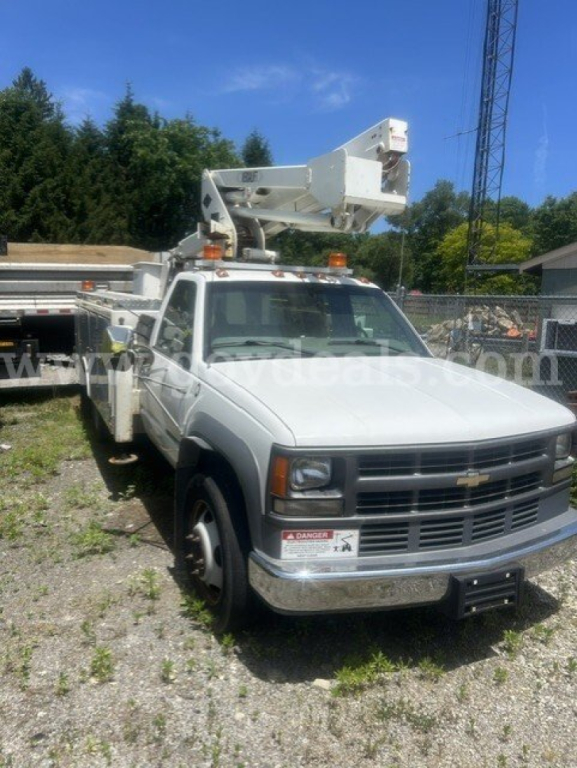
Have truck to sell? List it here to reach thousands of buyers.
About Trucks Near Youngstown, Ohio
For lighter commercial use, buyers often compare 2500, 3500, and cab-and-chassis platforms based on GVWR, rear axle rating, wheelbase, and PTO compatibility. Gas engines can make sense for lower annual mileage and easier maintenance, while diesel trucks are still preferred for sustained towing, heavier payloads, and vocational upfits. On medium-duty trucks, common decision points include diesel engine family, automatic versus manual transmission, hydraulic brake versus air brake setup, and whether the truck has a clean frame for a future body swap. If the truck already has an upfit, such as a utility body or aerial bucket, inspect the body manufacturer, boom reach, hydraulic system condition, outrigger operation, and any required dielectric or annual inspection records.
A good used truck listing should tell you more than year, make, and model. Buyers should look for cab style, drivetrain, bed or body type, engine hours if equipped with PTO-driven equipment, tire date codes, suspension type, and actual work-ready condition. For utility and bucket trucks, verify platform height versus working height, stowed travel height, boom material, and control station operation. For pickups and chassis-based work trucks, pay attention to hitch ratings, trailer brake controller setup, service body compartment condition, and signs of overloading such as spring sag, cracked mounts, or uneven tire wear. In this market, a truck with strong maintenance records and a solid frame often holds more real value than a newer truck with unknown vocational history.
Youngstown-area buyers also tend to balance acquisition cost against compliance and downtime. CDL requirements can change based on GVWR and configuration, and some trucks may need DOT inspection updates, lighting repairs, hydraulic service, or body reconditioning before going straight to work. The best truck for sale is the one that matches the job without forcing immediate rework on payload, towing capacity, or equipment fit. A clear understanding of axle ratings, body dimensions, and service history will narrow the field quickly and help separate a true work truck from a unit that only looks good in photos.
Frequently Asked Questions
What should I inspect first on a used truck in Ohio?
Start with the frame, underbody, brake lines, fuel lines, suspension mounts, and cab corners because corrosion is a major issue in regions that use road salt. After that, check engine performance, transmission operation, steering play, tire wear, and any signs of commercial overuse such as sagging springs or damaged body mounts. On vocational trucks, the condition of the upfit is just as important as the chassis.
How do I choose between a pickup-based work truck and a medium-duty truck?
The decision usually comes down to payload, towing, body length, and duty cycle. A pickup-based 2500 or 3500 can handle many contractor, service, and municipal tasks, especially when maneuverability matters. A medium-duty truck is the better fit when you need higher GVWR, heavier body equipment, more durable suspension and brake components, or a chassis designed for repeated commercial loading.
What matters most when buying a used bucket truck?
Boom condition, working height, hydraulic performance, outrigger operation, and inspection history are the core items. Buyers should confirm whether the stated height is platform height or working height, look for leaks in the hydraulic system, test lower and upper controls, and review any dielectric testing or annual certification records if the truck will be used in utility or electrical work. Chassis condition still matters, but the aerial equipment often drives the real value.
Is diesel always the better choice for a used commercial truck?
No. Diesel is often preferred for heavier towing, higher annual mileage, and vocational applications that demand torque and durability. Gas engines can be the better value for lighter local work, simpler maintenance, and lower acquisition cost. The better choice depends on how often the truck will be loaded, how far it will travel, and whether the body or equipment requires a chassis built for sustained commercial duty.
Why is GVWR important when shopping for trucks for sale?
GVWR affects legal operation, payload capacity, registration, and sometimes CDL requirements. It also tells you how much truck you are really buying from a chassis standpoint. Two trucks can look similar but have very different axle ratings, spring capacity, brake systems, and intended duty cycles. Matching GVWR to the job helps avoid premature wear, compliance issues, and expensive under-spec purchases.