
Trucks For Sale Near Wyoming, New York
Browse trucks for sale in Wyoming, New York including dump, vocational, bus, specialty, and heavy-duty work truck options.
Learn more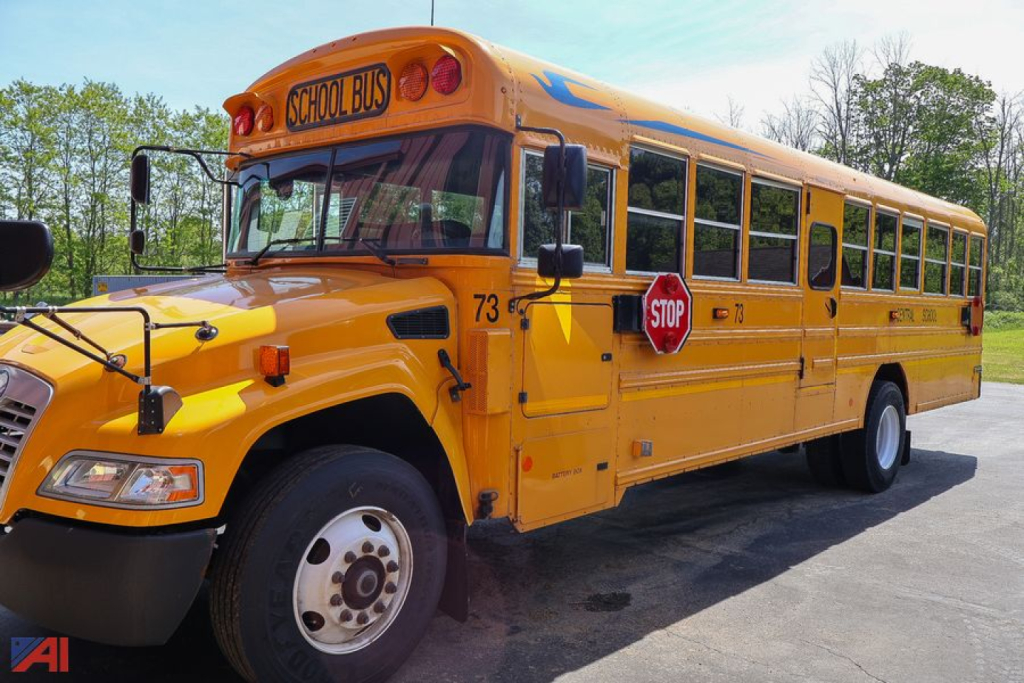
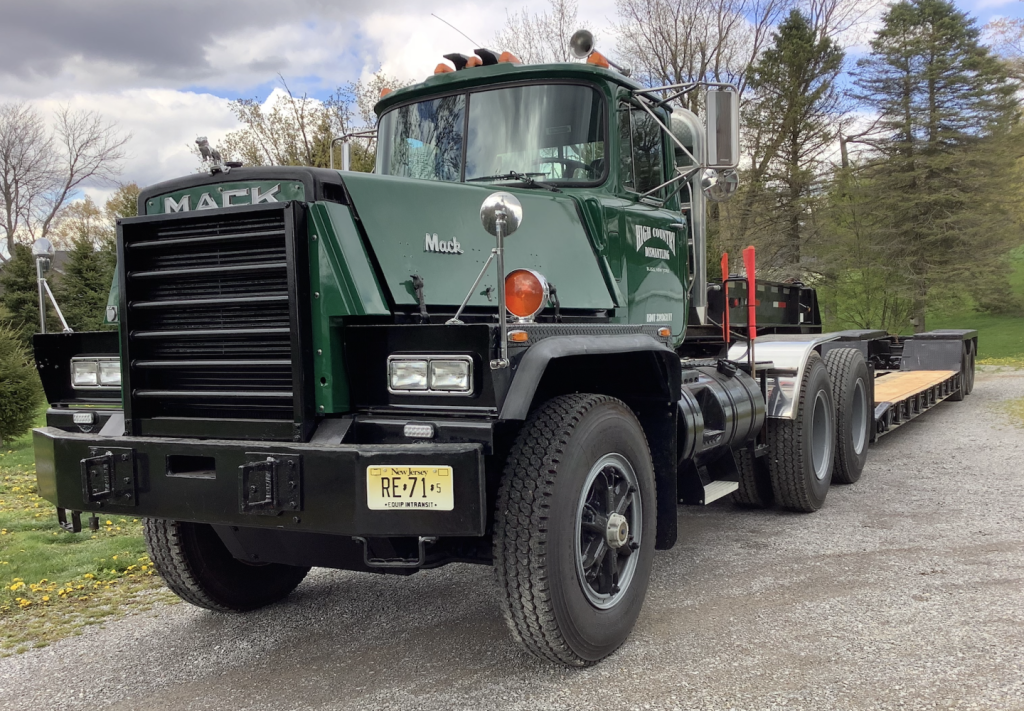
Have truck to sell? List it here to reach thousands of buyers.
About Trucks Near Wyoming, New York
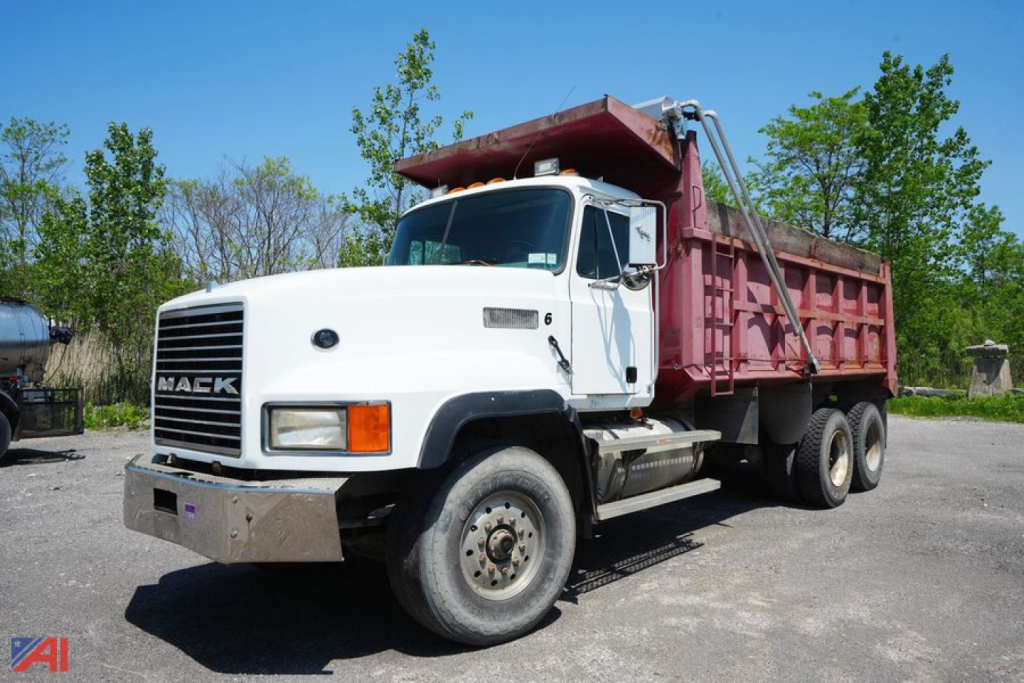
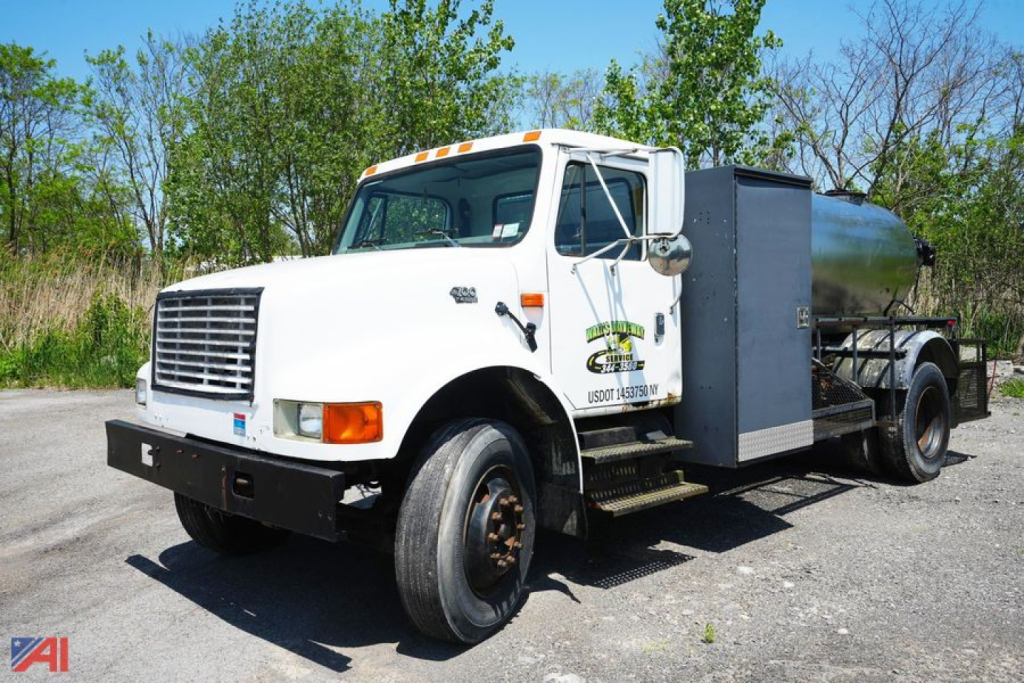
For work-focused trucks, the core spec decisions usually come down to GVWR, frame strength, suspension, transmission type, and hydraulic capability. Dump and municipal trucks often use tandem axles, double-frame construction, locking rears, and PTO-driven hydraulics for hoists, wet kits, spreaders, or auxiliary equipment. Medium-duty trucks such as International 4700-class units are common in municipal and contractor fleets because they are easier to maneuver, generally less expensive to maintain than severe-duty chassis, and can be configured for tanks, utility bodies, or seasonal road work. Buyers looking at older Mack, International, or similar vocational models should pay close attention to rust at hangers and crossmembers, front axle ratings, steering play, brake type, and the condition of the hydraulic system.
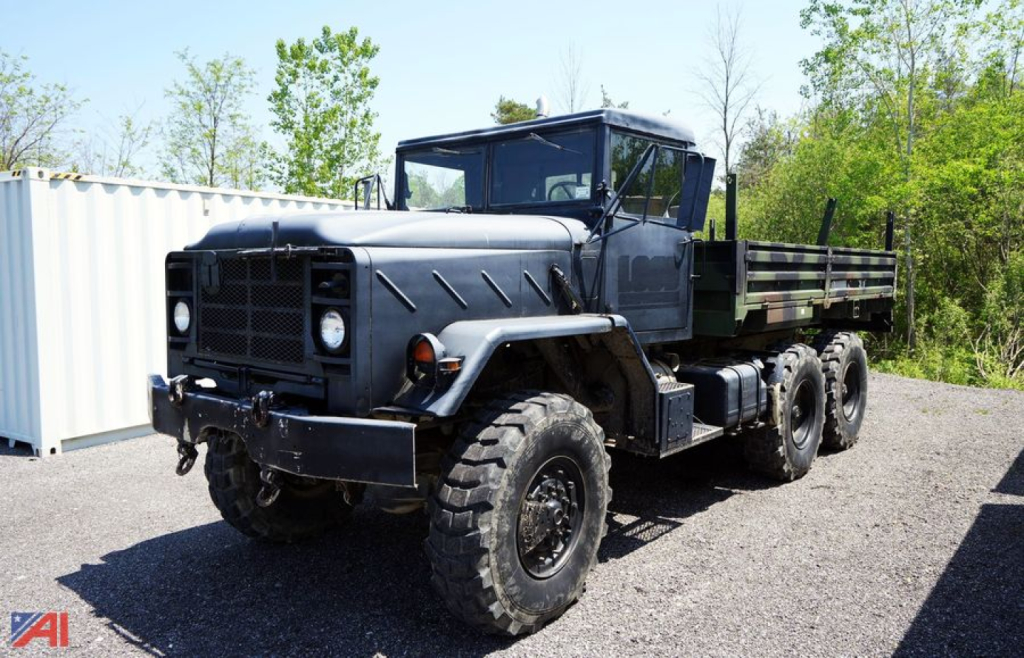
Specialty trucks require a closer look at the upfit than the chassis alone. A sealer or hot-oil truck needs tank integrity, pump condition, hose reel function, burner operation if equipped, and clear evidence of proper maintenance. Buses should be evaluated for seating layout, wheelchair access equipment, entry door operation, electrical systems, and state inspection history. Military trucks can offer heavy-duty driveline components and off-road capability, but parts sourcing, road legality, tire cost, and top-speed limitations should be understood before purchase. If a truck is sold as part of a truck-and-trailer combination, review fifth wheel capacity, wetline setup, pintle rating, wheelbase, and how the chassis was spec'd for the trailer it has been pulling.
In upstate New York, corrosion is a real buying factor, especially on plow trucks, municipal units, and any chassis exposed to road salt. Cab floors, spring hangers, brake lines, wiring, body mounts, and underbody structure deserve the same attention as the engine. Service records, hour meters, idle time, and prior fleet ownership can tell you more about remaining value than odometer miles alone. A well-matched truck should have enough axle, brake, and frame capacity for the intended payload without forcing you into unnecessary operating cost, licensing burden, or downtime from hard-to-source components.
Frequently Asked Questions
What should I check first when comparing used trucks for sale?
Start with the truck's intended application, then confirm GVWR, axle configuration, wheelbase, and PTO or hydraulic requirements. A truck that looks clean but is poorly spec'd for the work will cost more in downtime and limitations than a higher-mile unit with the right chassis and body setup. After confirming the spec, review engine hours, service history, frame condition, rust, brake system condition, and any body-specific components such as hoists, tanks, pumps, or lifts.
Is mileage or engine hours more important on a vocational truck?
On many vocational trucks, engine hours can be just as important as mileage, and sometimes more important. Municipal, dump, and specialty trucks often spend long periods idling or operating PTO-driven equipment, so low miles do not always mean low wear. A buyer should compare odometer reading, hour meter, maintenance records, and signs of wear in the cab, hydraulics, suspension, and driveline to get a more accurate picture of total use.
Are older heavy-duty trucks still a good buy?
An older heavy-duty truck can still be a strong value if the chassis was built for severe service and has been maintained correctly. Many older Mack, International, and similar vocational units were spec'd with robust frames, heavy suspensions, and simpler drivetrains that remain practical for farm, construction, or municipal use. The key is to inspect for structural rust, driveline leaks, brake condition, steering wear, electrical issues, and the current availability of replacement parts before making a decision.
What matters most when buying a specialty truck like a sealer truck or bus?
The body equipment and upfit condition matter as much as the truck chassis. On a sealer or asphalt-related unit, tank condition, pump performance, plumbing, valves, and any heating or spray components should be inspected closely. On a bus, buyers should evaluate seating, accessibility equipment, lighting, warning system removal or compliance needs, and inspection status. Specialty trucks can be expensive to reconfigure, so it is important to buy a unit that already matches the intended use as closely as possible.
Why is rust inspection so important on trucks in New York?
Road salt and winter exposure can shorten the useful life of an otherwise solid truck. Rust commonly appears on frames, cab mounts, crossmembers, brake lines, wiring supports, dump bodies, and suspension attachment points. Surface corrosion is common, but scaling, perforation, or repairs around structural areas can affect safety, inspection compliance, and resale value. A careful underbody inspection is essential on any truck that has worked through multiple New York winters.