
Trucks For Sale Near Walworth, New York
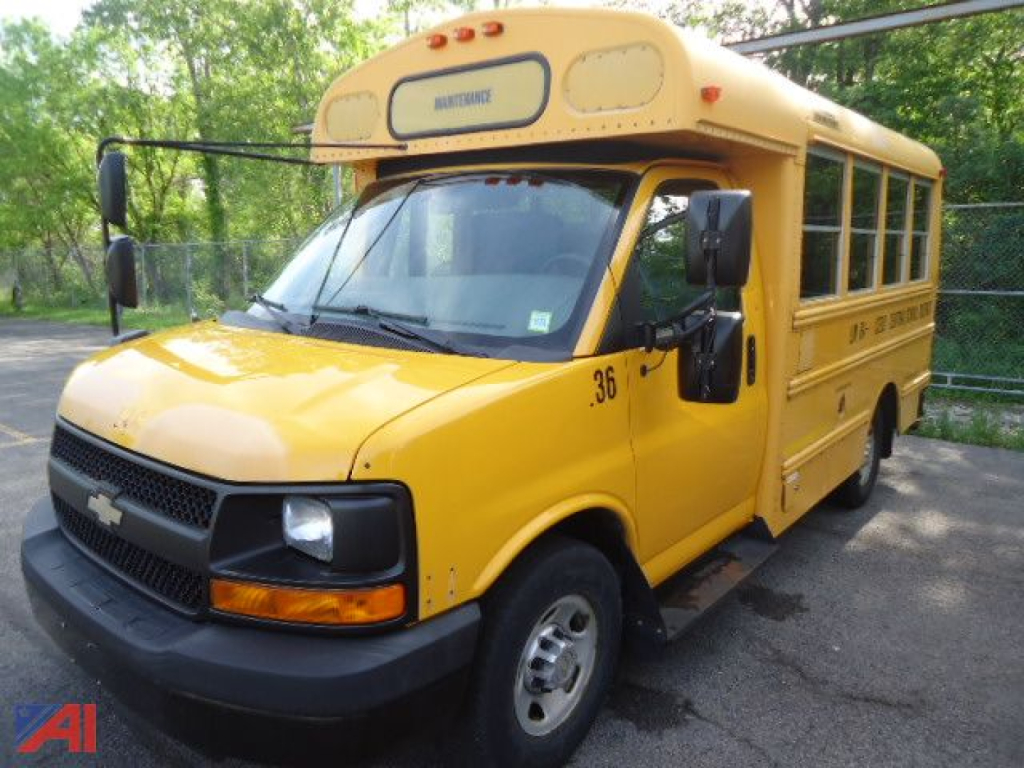
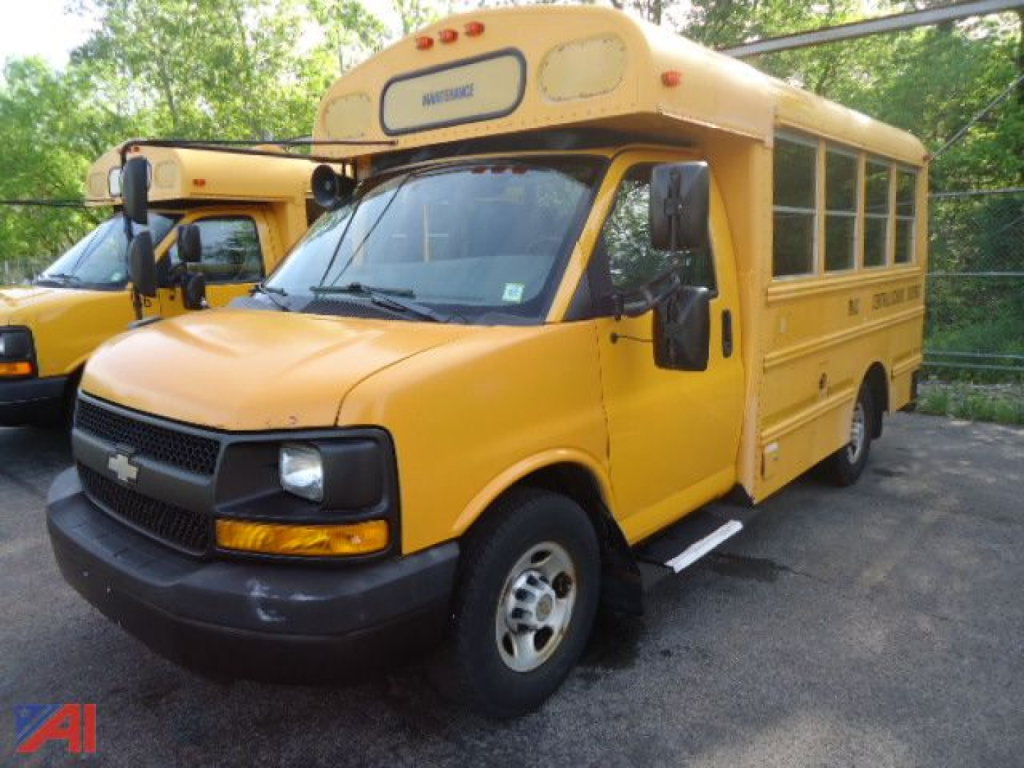
Browse trucks for sale in Walworth, NY, including dump trucks, buses, vans, and vocational units for municipal, contractor, and fleet use.
Learn more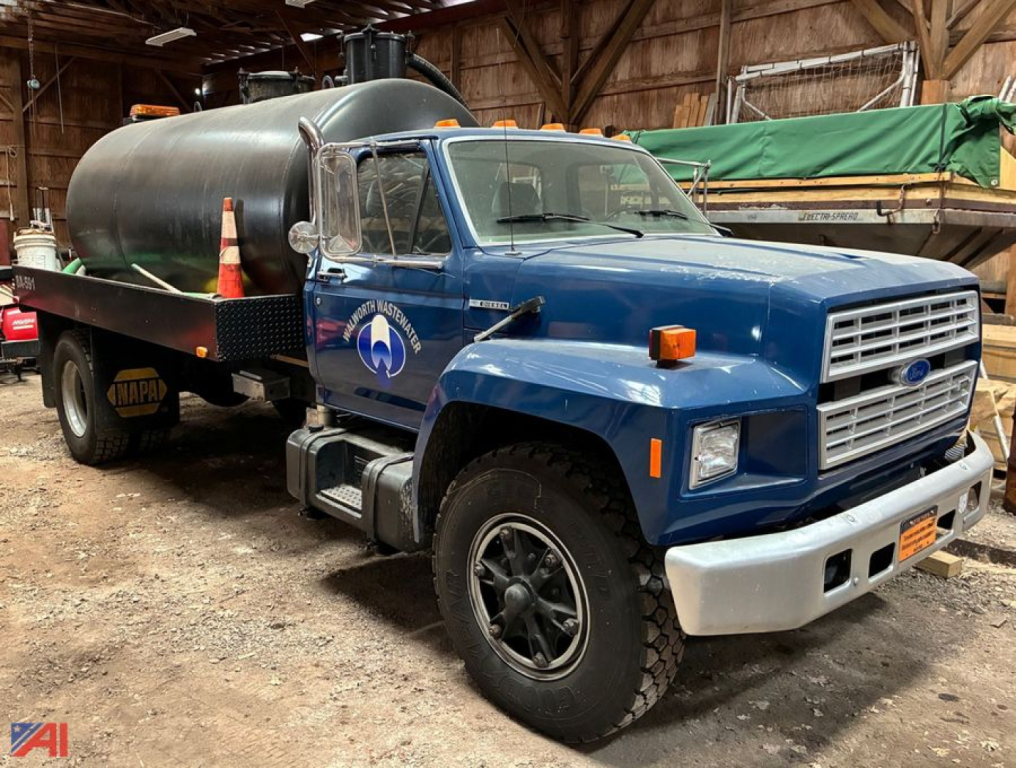

Have truck to sell? List it here to reach thousands of buyers.
About Trucks Near Walworth, New York
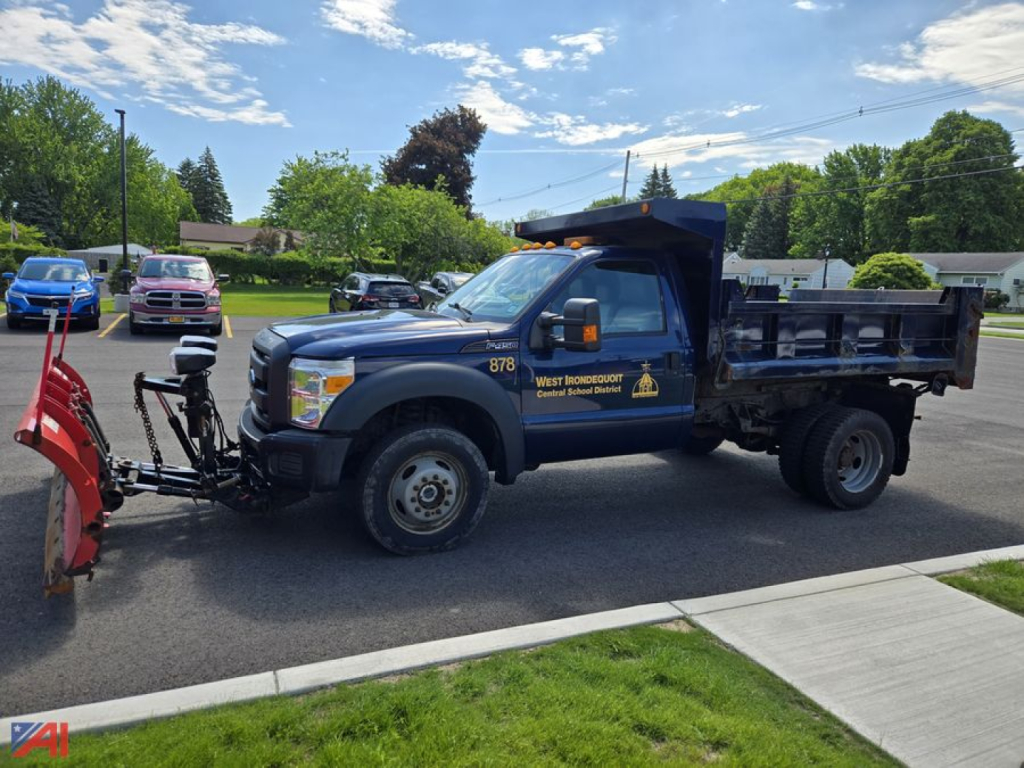
Spec decisions drive long-term operating cost. On work trucks, buyers should pay close attention to GVWR, axle ratings, brake type, suspension, wheelbase, PTO setup, body material, and drivetrain. A dump truck may include a steel or stainless body, underbody hoist, spreader provisions, central hydraulics, or front plow mounts, all of which affect seasonal versatility and repair cost. On buses and passenger vans, seating capacity, rear HVAC performance, entrance door configuration, lift equipment, and engine-transmission pairing are more important than body style alone. Diesel versus gas matters too, especially for fleets balancing torque needs, emissions-system maintenance, and local service support.
In upstate New York, corrosion exposure is a major buying factor. Trucks that have spent years in snow and salt service should be inspected closely for frame scale, cab corners, crossmembers, brake and fuel line condition, electrical corrosion, dump body floor wear, and plow or hoist attachment points. A low-mile truck can still show heavy wear if it spent its life on short municipal routes, in winter operations, or with long idle hours. Buyers should also verify tire date codes, PTO engagement, hydraulic function, warning light status, and any signs of deferred maintenance on suspension, steering, and cooling components.
The best truck choice comes down to duty cycle, licensing requirements, and how easily the unit can be upfitted or put to work immediately. A contractor may prioritize a dump body with plow gear and higher payload capacity, while a school, church, or shuttle operator may focus on passenger layout, safety equipment, and ease of maintenance. Across all truck categories, strong value usually comes from simple, well-documented specs, readily available parts, and a chassis that fits the intended route, payload, and service environment without being oversized for the work.
Frequently Asked Questions
What should I look for first when comparing used trucks for sale?
Start with the truck’s intended job, then verify that the chassis, body, and ratings match that use. GVWR, axle capacity, wheelbase, engine type, transmission, brake system, and body equipment are core decision points. After that, review maintenance records, operating hours if available, and signs of rust or hard vocational use. A truck that fits the work correctly will usually be a better value than a cheaper unit with the wrong spec.
Are dump trucks in New York more likely to have rust or corrosion issues?
Yes. Trucks used in New York, especially in snow and ice service, often see corrosion from road salt and winter exposure. Buyers should inspect the frame, suspension hangers, crossmembers, hydraulic lines, brake lines, wiring, dump body mounts, and plow attachment areas carefully. Surface rust is common, but scaling, perforation, or rust around structural mounting points can turn a low-price truck into a costly repair project.
Is mileage enough to judge the condition of a used truck?
No. Mileage helps, but it does not tell the full story on commercial trucks. Idle hours, PTO use, stop-and-go operation, seasonal plowing, short-route service, and load type can all create wear that is not reflected in odometer readings alone. A lower-mile municipal or contractor truck may still have substantial wear in the hydraulics, suspension, electrical system, and cab structure.
What matters most when buying a bus or passenger van?
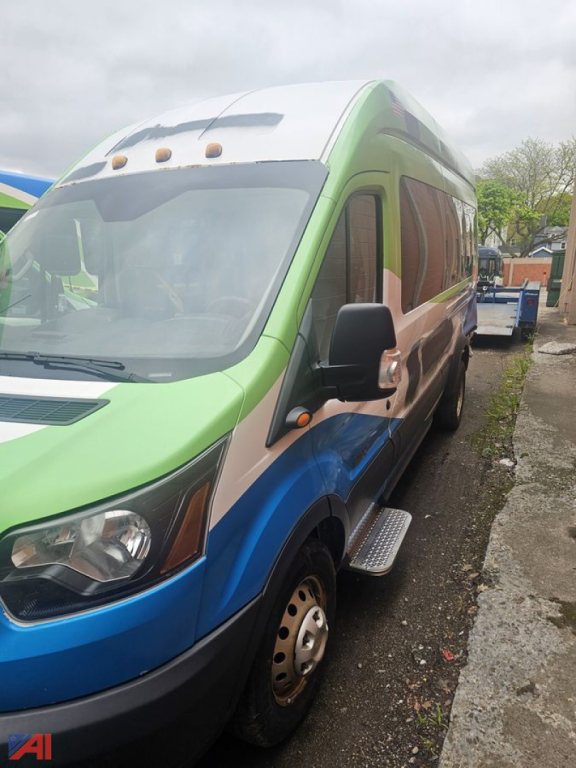
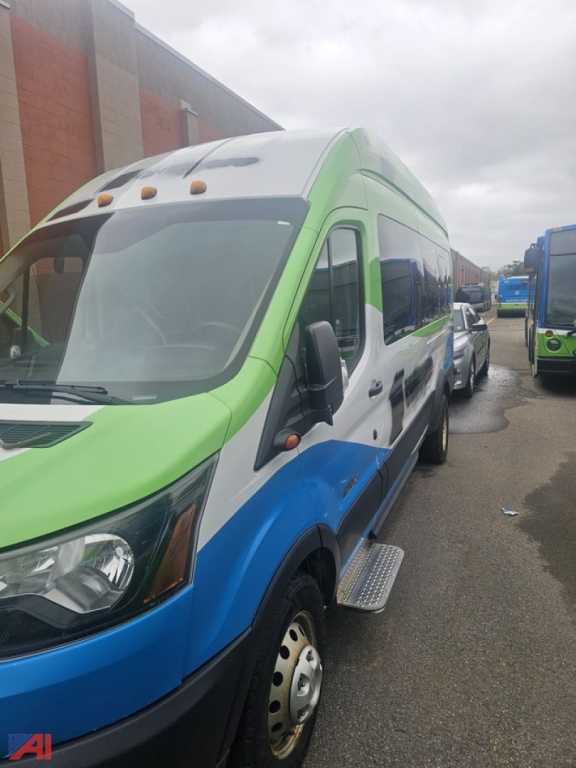
Passenger capacity, access configuration, drivetrain reliability, and safety equipment are usually the top priorities. Buyers should confirm seating layout, door operation, HVAC performance, lift or accessibility equipment if fitted, and the condition of interior safety components. On shuttle vans and mini buses, maintenance history and body condition are especially important because downtime often affects route service directly.
How do I know if a truck is properly spec’d for plow or vocational work?
Look for front axle capacity, frame reinforcement, hydraulic or electrical provisions, PTO compatibility, and any installed plow mounts, spreader controls, or central hydraulic systems. A truck can have a dump body and still be poorly suited for plowing if the front end, cooling system, or electrical setup is undersized. Proper vocational spec shows up in the supporting components, not just the body style.