
Trucks For Sale Near Tunica, Mississippi
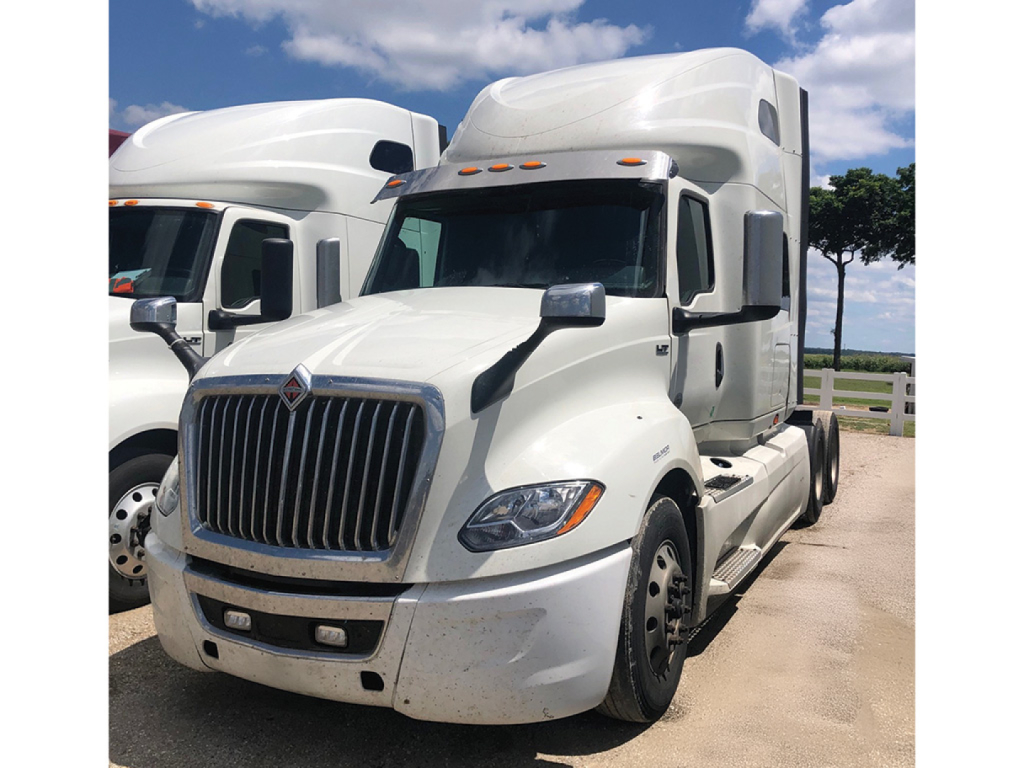
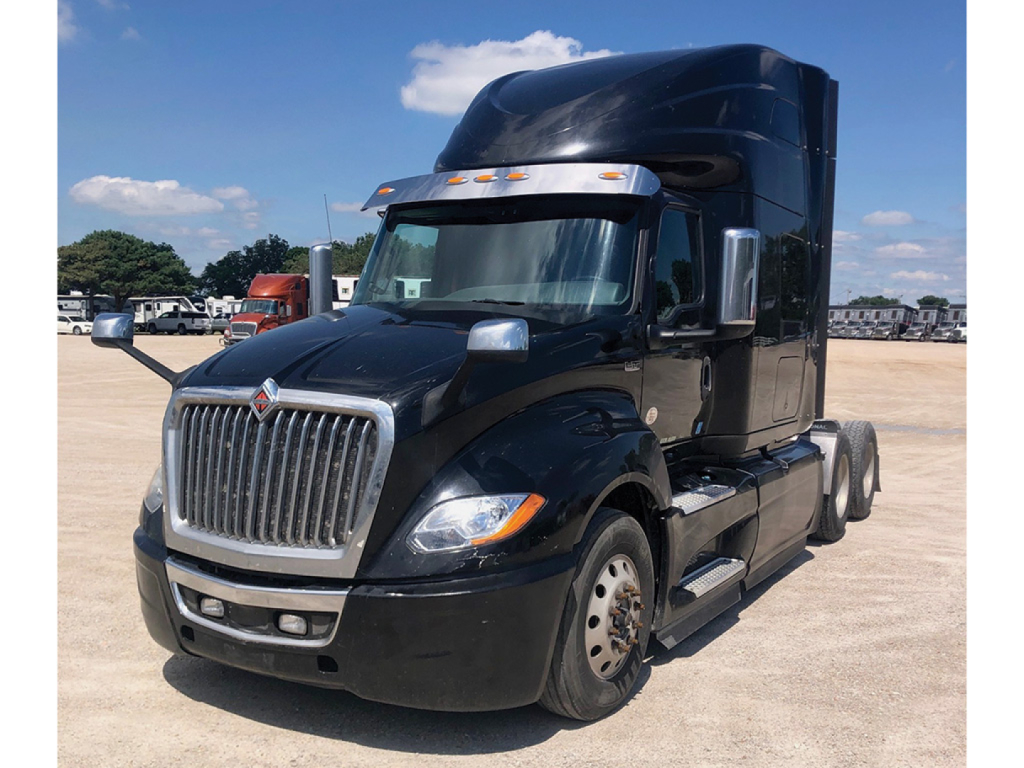
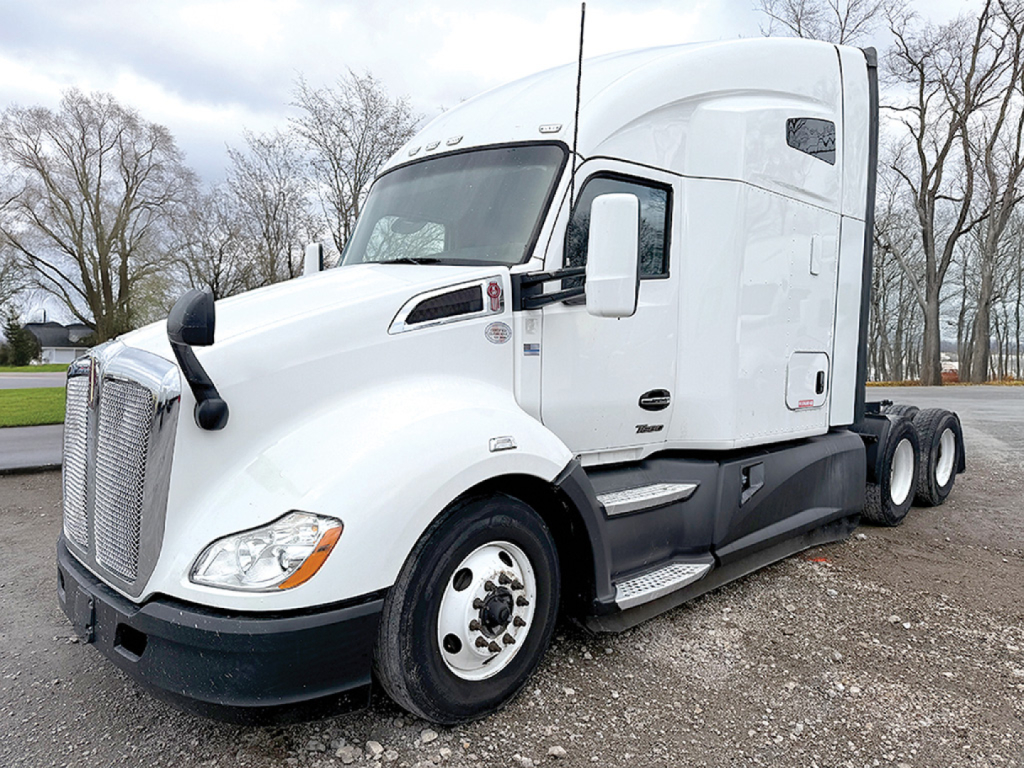
Browse trucks for sale in Tunica, Mississippi, including sleeper tractors, day cabs, and straight trucks for regional, long-haul, and delivery work.
Learn more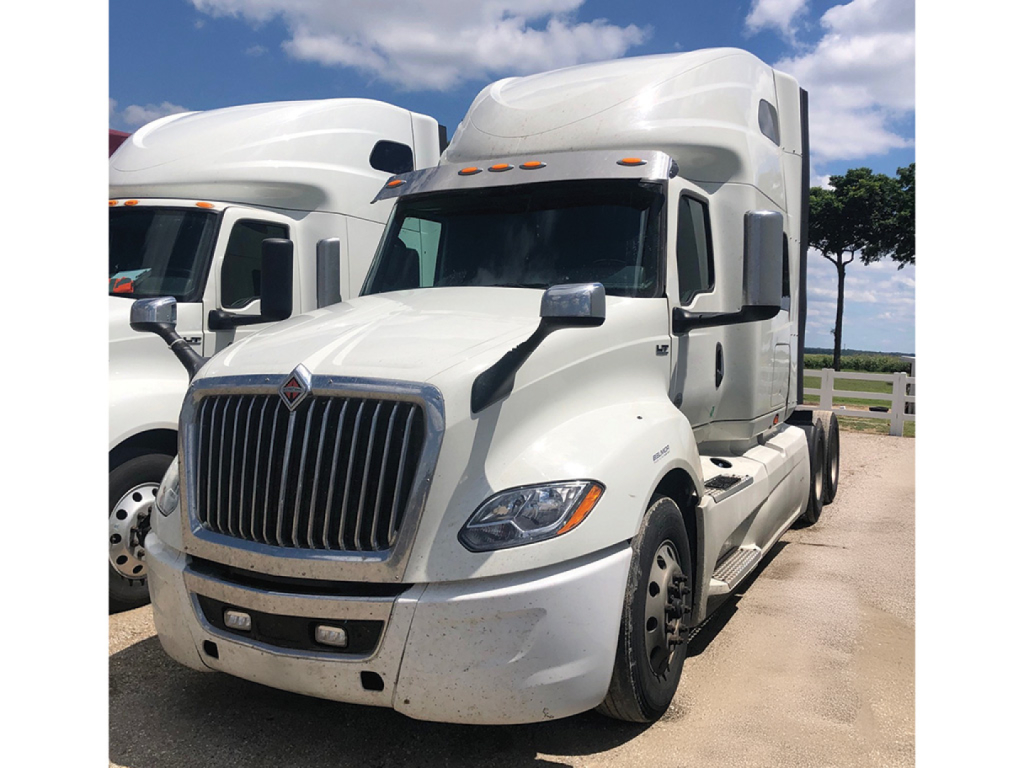

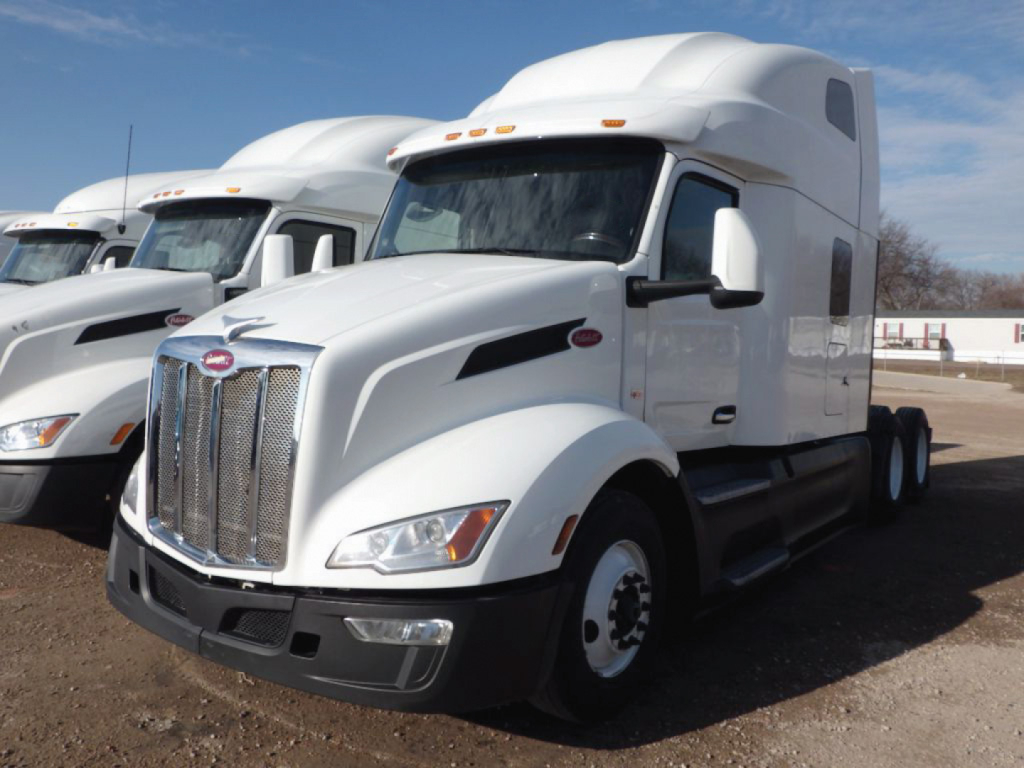
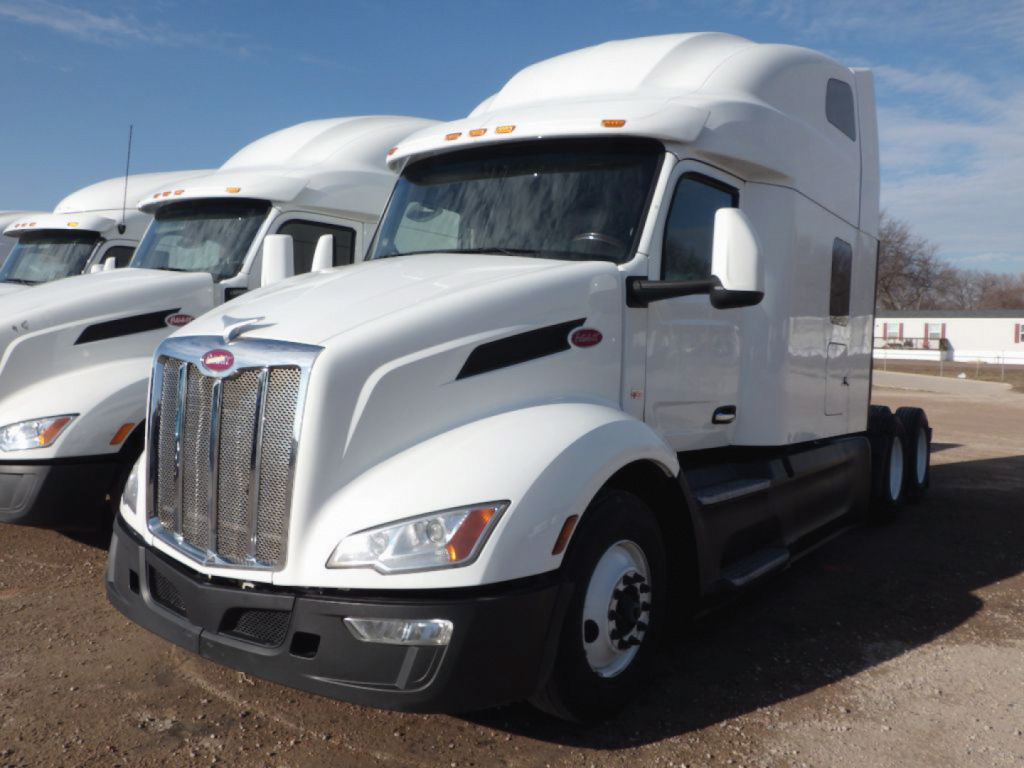
Showing 1 to 12 of 60 results
Have truck to sell? List it here to reach thousands of buyers.
About Trucks Near Tunica, Mississippi
Frequently Asked Questions
What types of trucks are most common in this category?
This category typically includes Class 8 conventional tractors and medium-duty or heavy-duty straight trucks. Conventional sleeper tractors are common for long-haul freight and usually feature tandem rear axles, aerodynamic fairings, sliding fifth wheels, and sleeper compartments in the 60- to 72-inch range. Conventional day cabs are more common in local haul, container, dump, and short regional applications where sleeper space is not needed. Straight trucks are built with a permanent body such as a van body, flatbed, stake bed, service body, or reefer body and are often used for route delivery, moving, and municipal work.
What truck specs matter most when comparing used road tractors?
Start with engine, transmission, rear axle ratio, wheelbase, and suspension. Horsepower and torque need to match the freight and terrain. A 400- to 450-horsepower tractor with a direct or overdrive transmission and a tall rear ratio like 2.47 or 2.79 is usually aimed at fuel-efficient highway service, while a deeper ratio like 3.25 can be better for heavier loads or more varied terrain. Wheelbase affects trailer gap, maneuverability, and weight distribution. Air ride suspension, engine brake, bunk heater, and an air-slide fifth wheel are also important for driver comfort and trailer compatibility.
How do I choose between a sleeper tractor and a day cab?
A sleeper tractor makes sense when the truck will stay out overnight, run extended regional lanes, or need onboard storage and driver amenities such as bunks, bunk heaters, refrigerators, and auxiliary power units. A day cab is usually lighter, simpler, and easier to maneuver in tight urban or terminal environments. It can also reduce acquisition cost and maintenance on sleeper-related components. The right choice comes down to length of haul, idle time, payload sensitivity, and how often the driver is expected to stay with the truck away from home base.
What should I look for on a used straight truck with a van body?
Focus on both the chassis and the body. On the chassis side, check engine class, automatic versus manual transmission, rear axle rating, suspension type, brake condition, and tire size. On the body side, look at overall box length, interior height, floor material, E-track, scuff liners or scuff plate condition, door opening dimensions, and liftgate capacity if equipped. For delivery work, a 26-foot van body with a roll-up rear door and liftgate is a common setup because it balances cubic capacity with route flexibility.
Are aerodynamic sleeper trucks better for fuel economy?
In most linehaul applications, yes. Aerodynamic conventionals with roof fairings, side fairings, cab extenders, and properly matched trailer height generally deliver better fuel economy than older square-nose designs. Fuel savings are especially noticeable at sustained highway speeds. Results still depend on axle ratio, cruise speed, engine calibration, tire choice, trailer gap, and total weight, but aero tractors are usually the preferred platform for fleets focused on cost per mile.