
Commercial Trucks For Sale in Tennessee
Compare used trucks in Tennessee. Evaluate sleeper, day cab, box and dump specs—engines, transmissions, gearing and suspensions for TN routes.
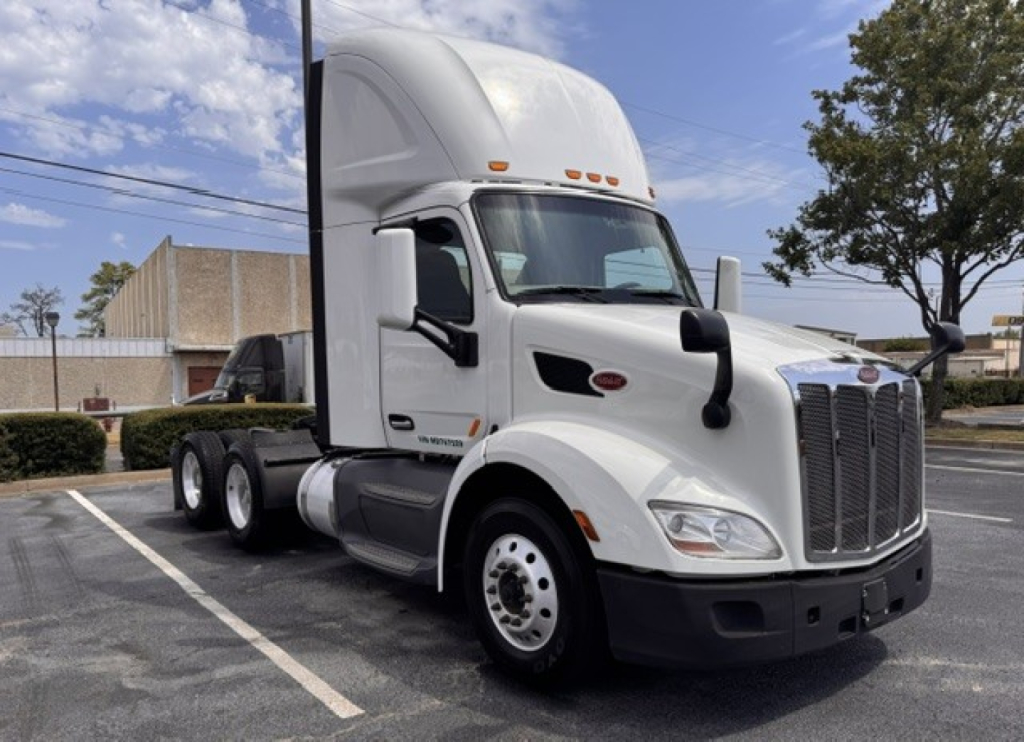
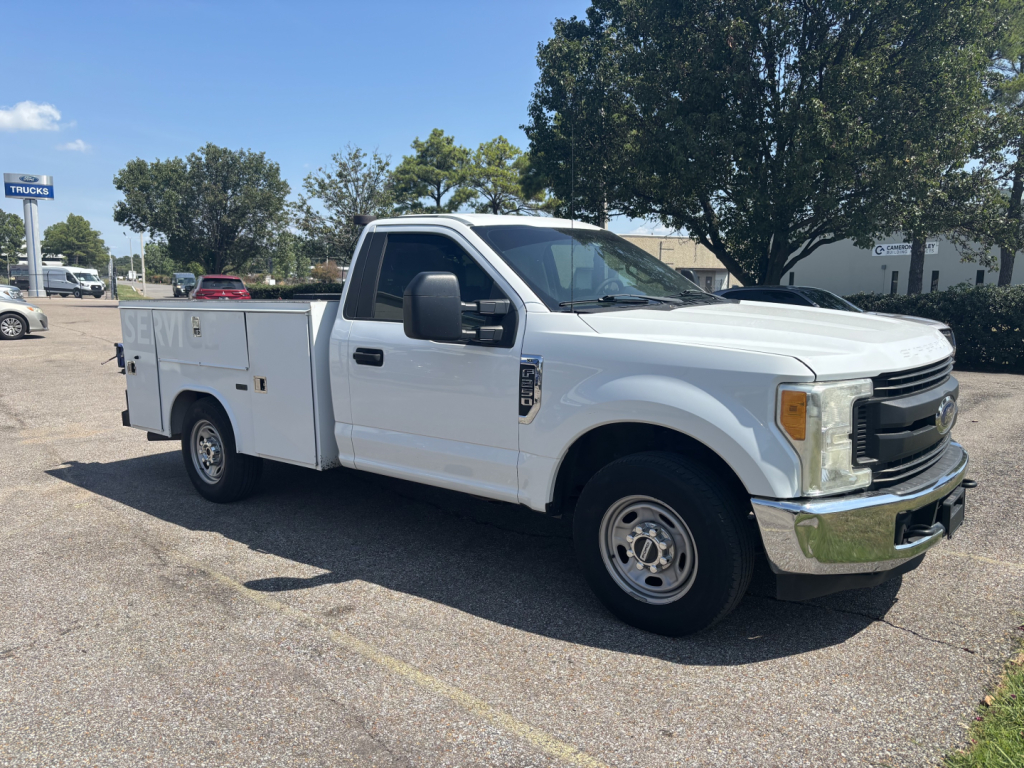
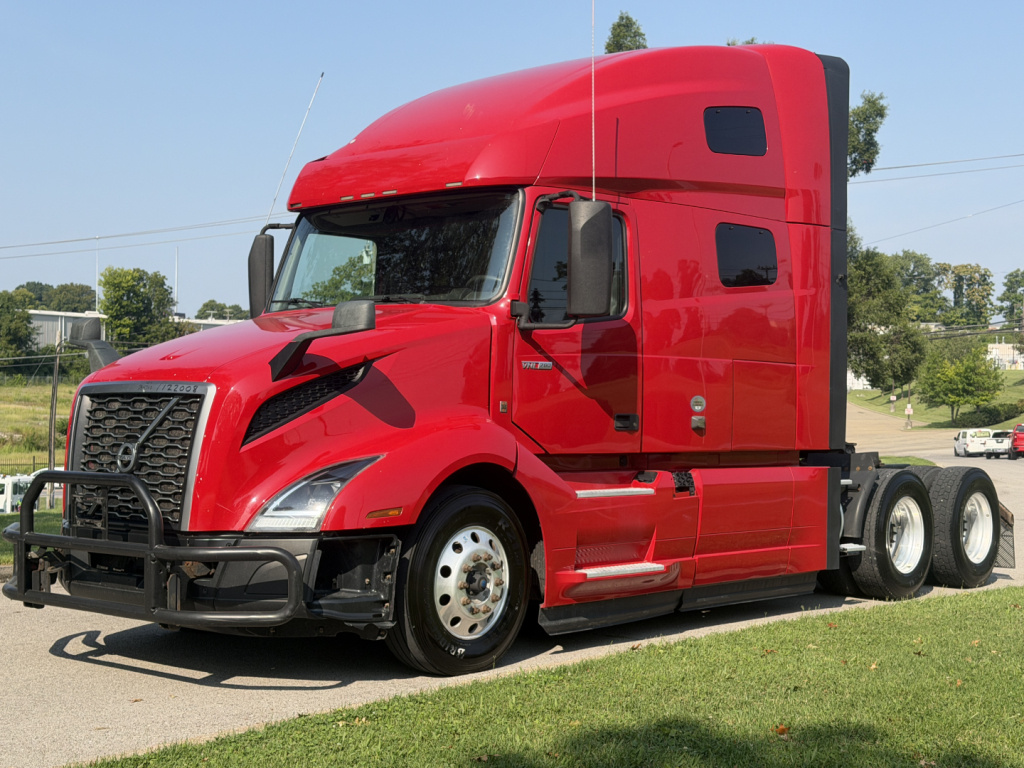
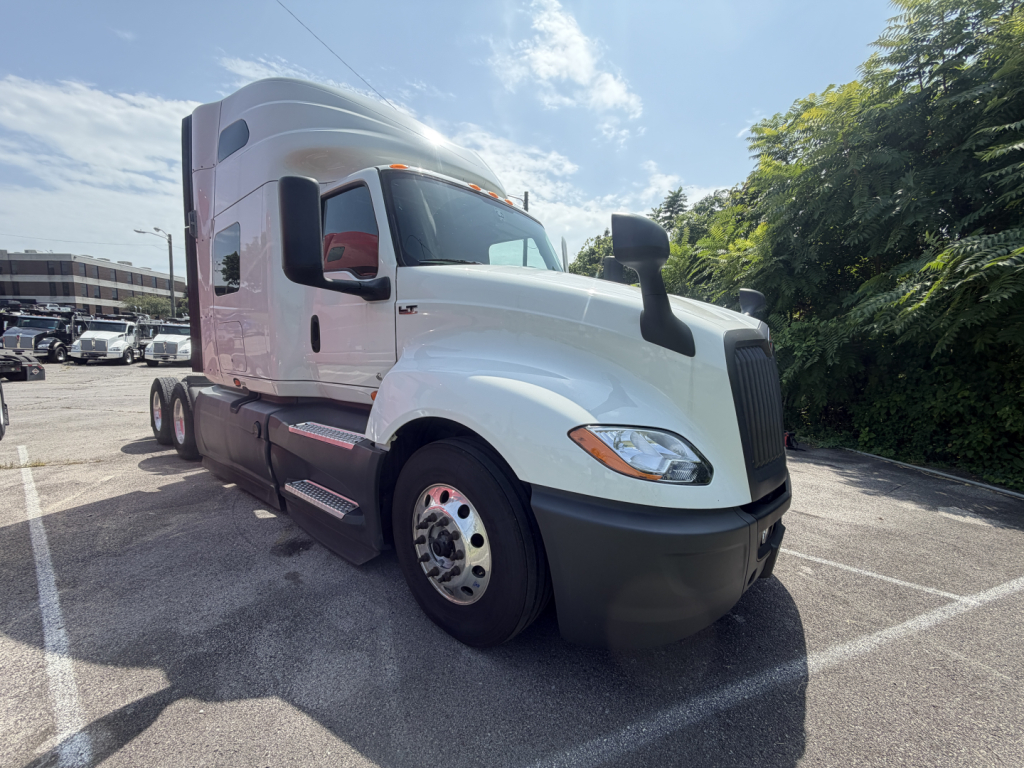
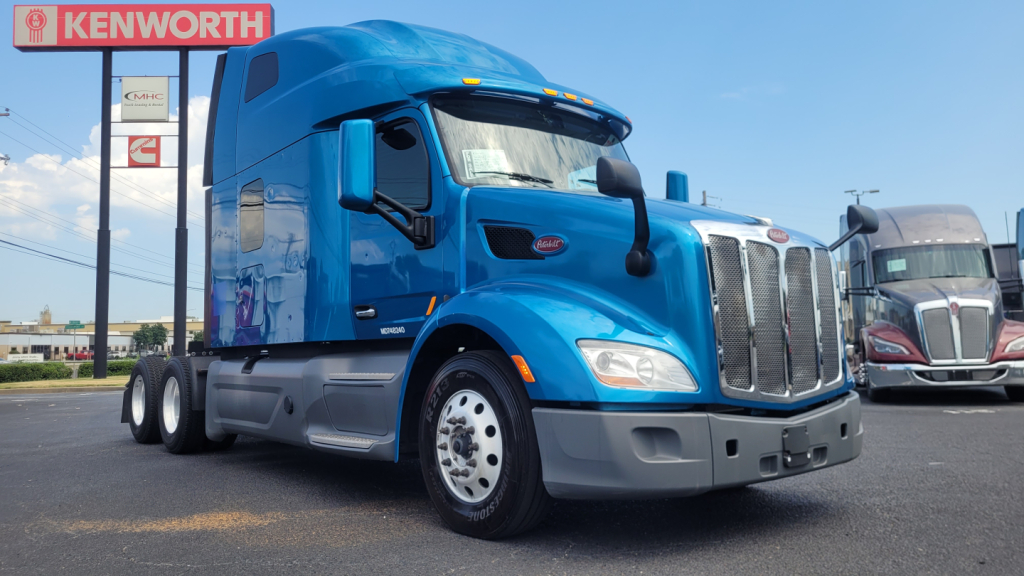
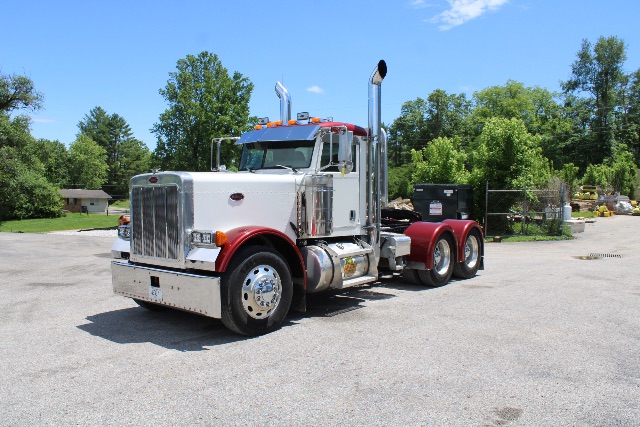
2021 Peterbilt 579
491,902 mi
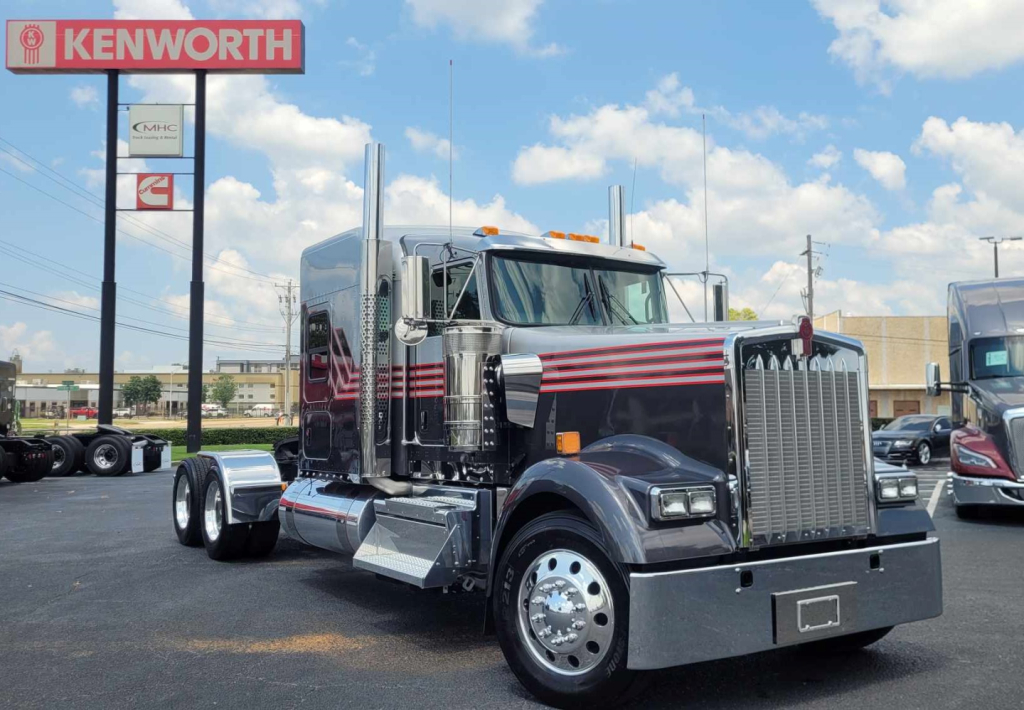
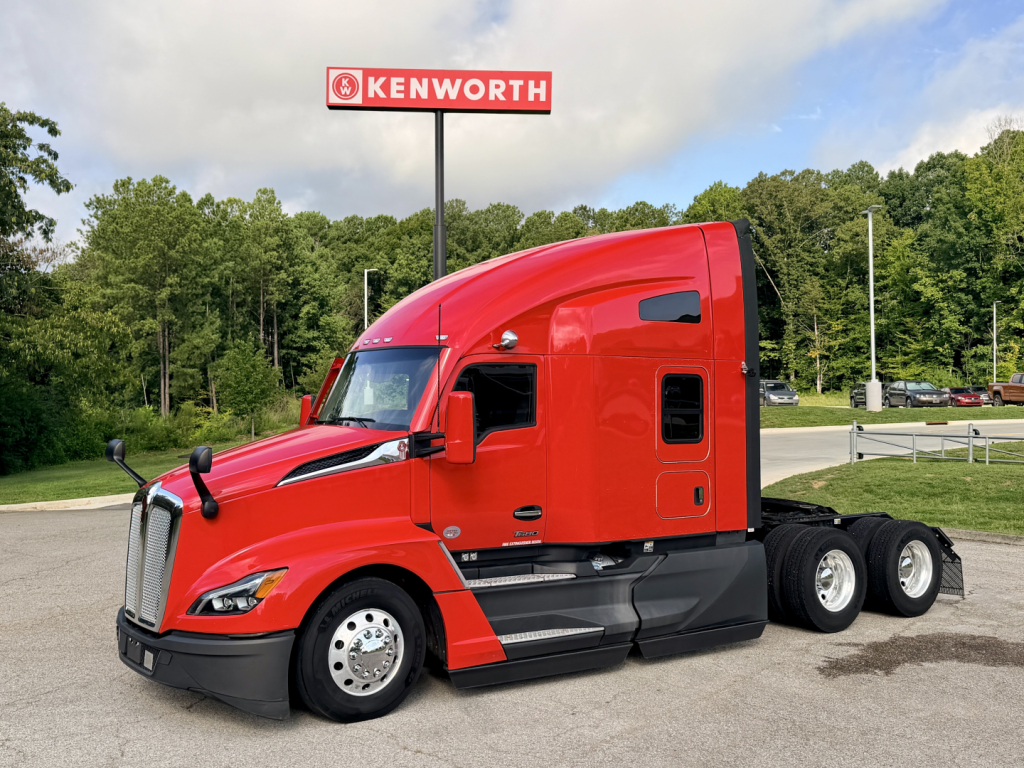
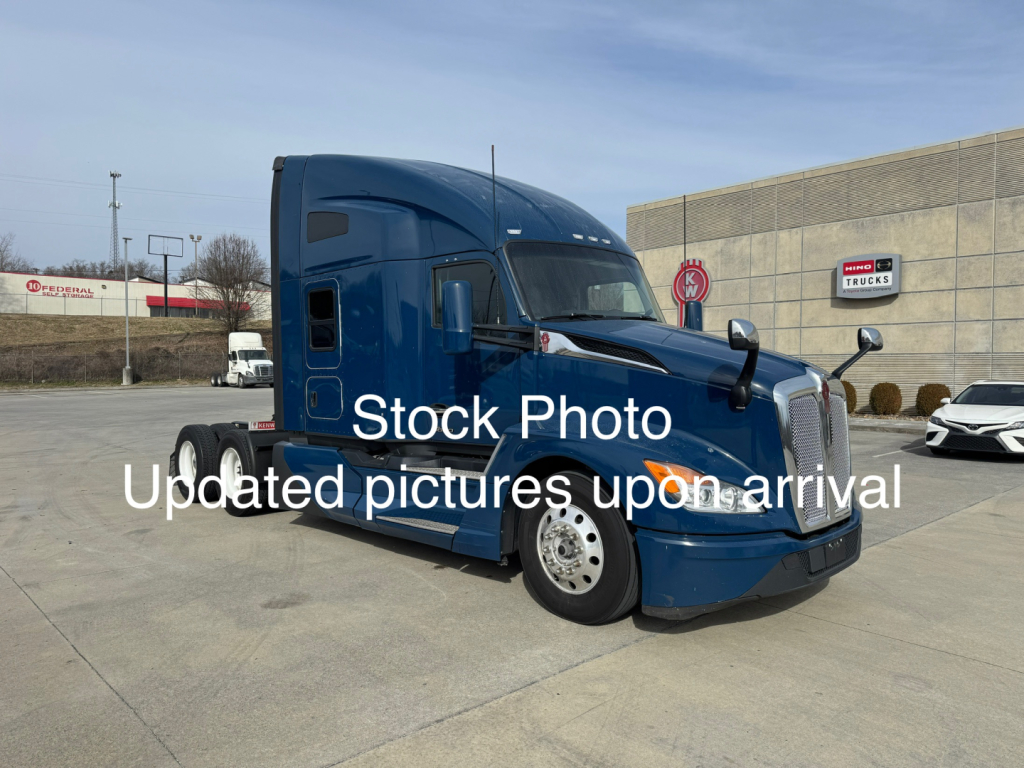
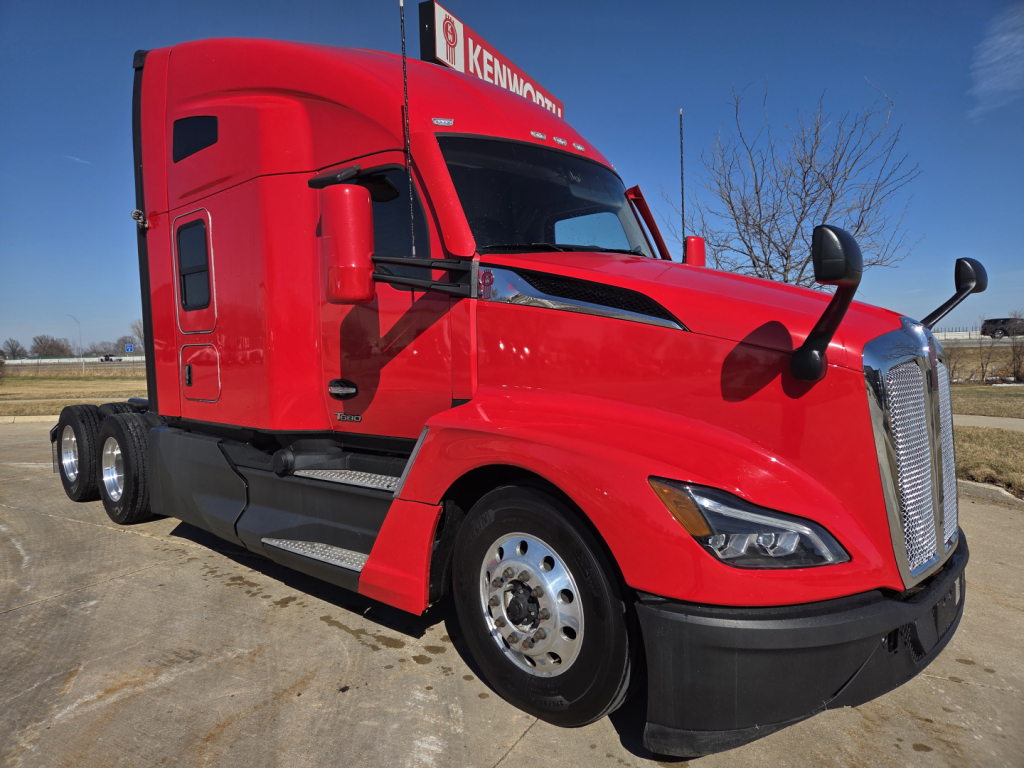
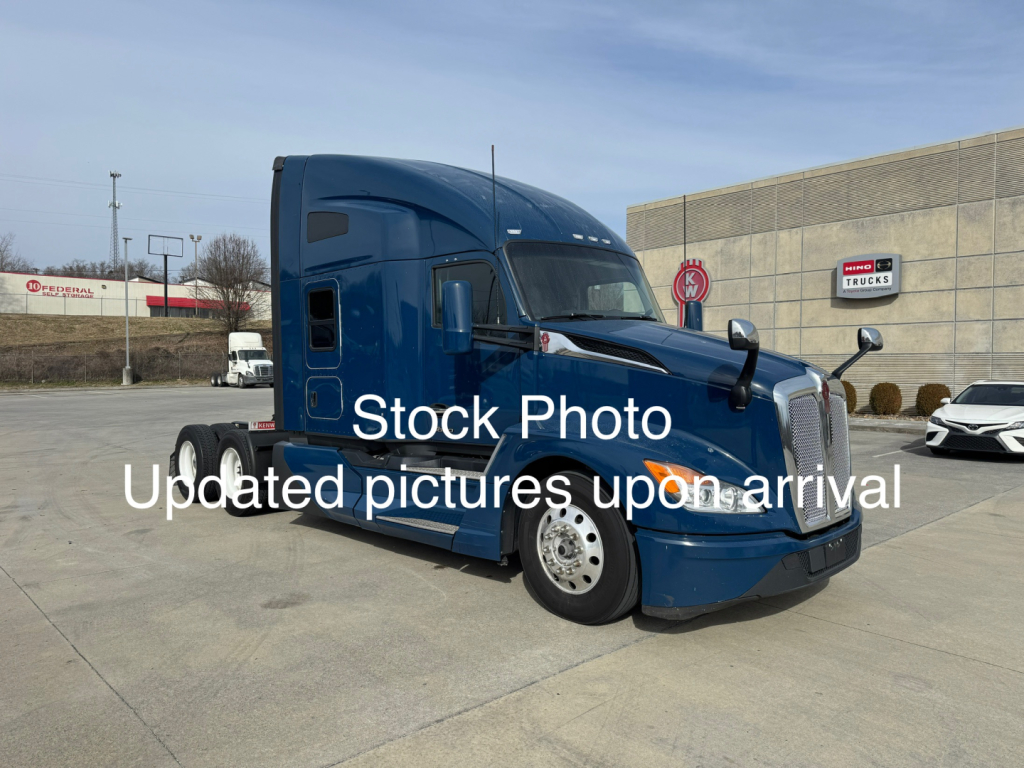
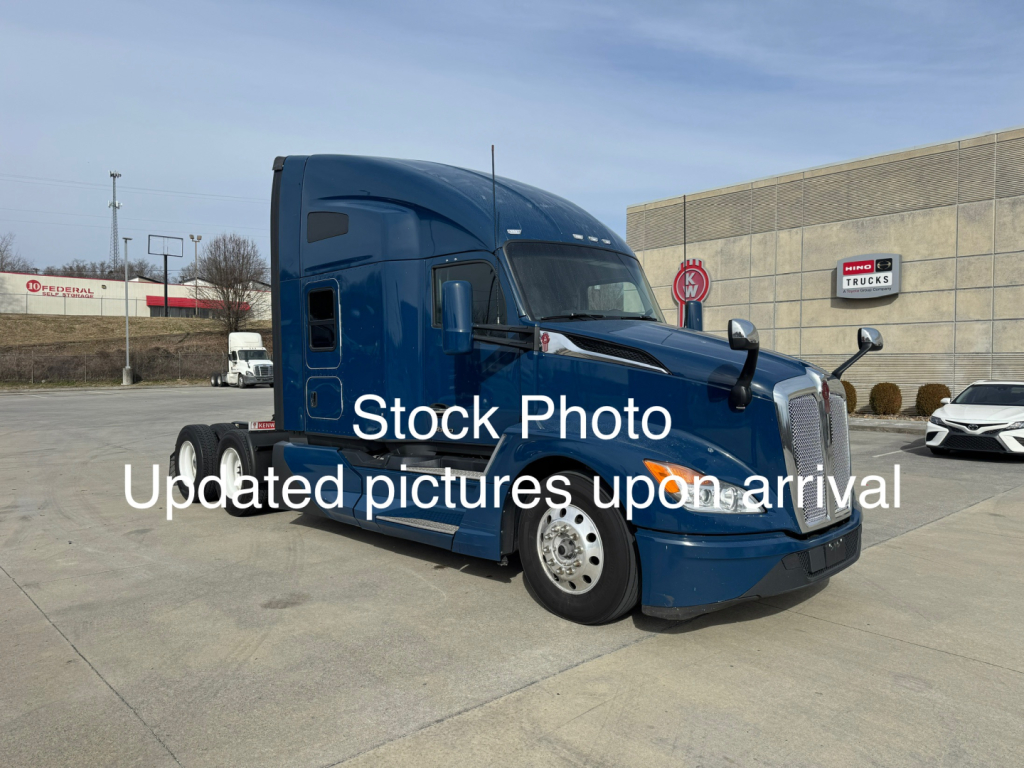
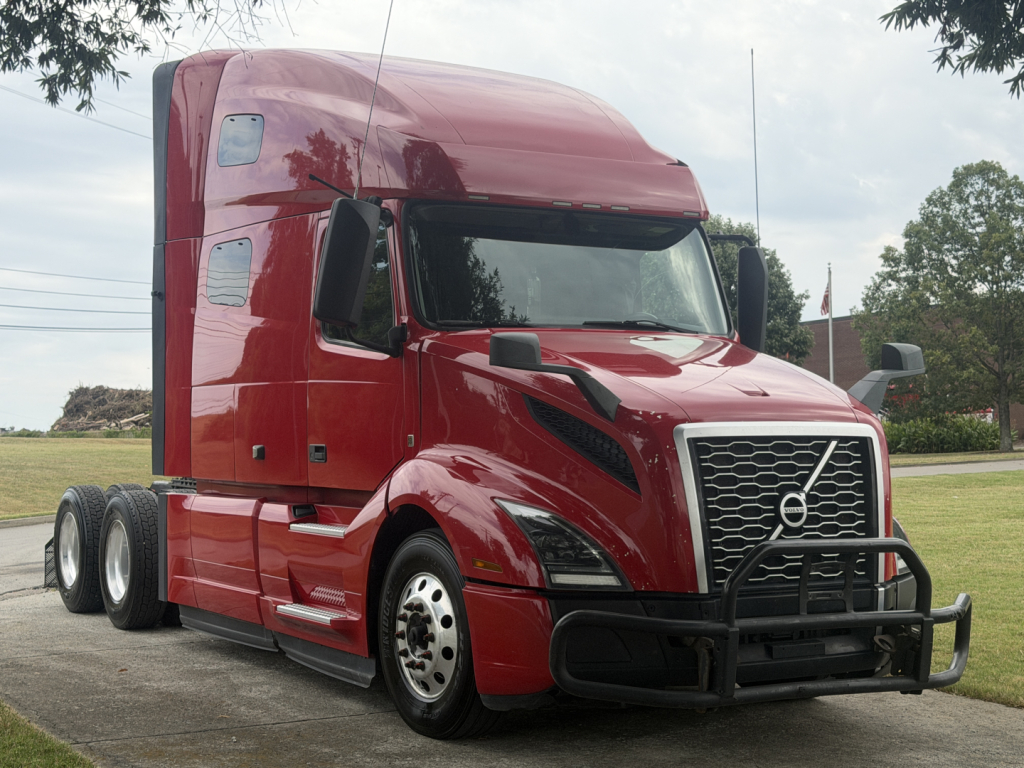
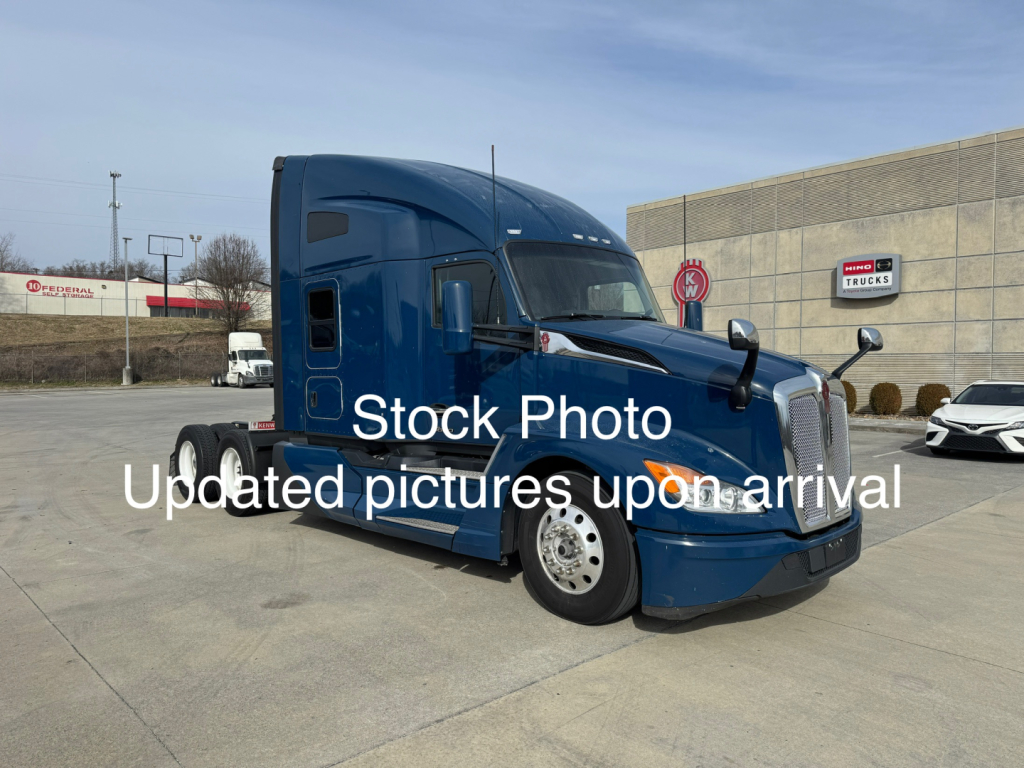
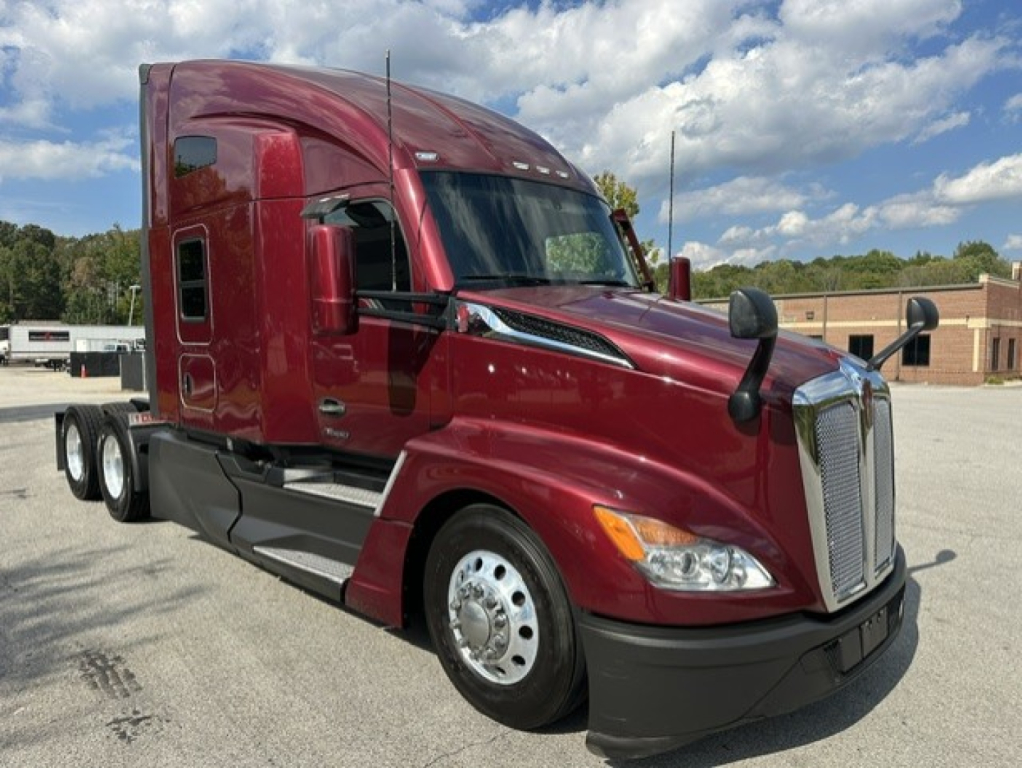
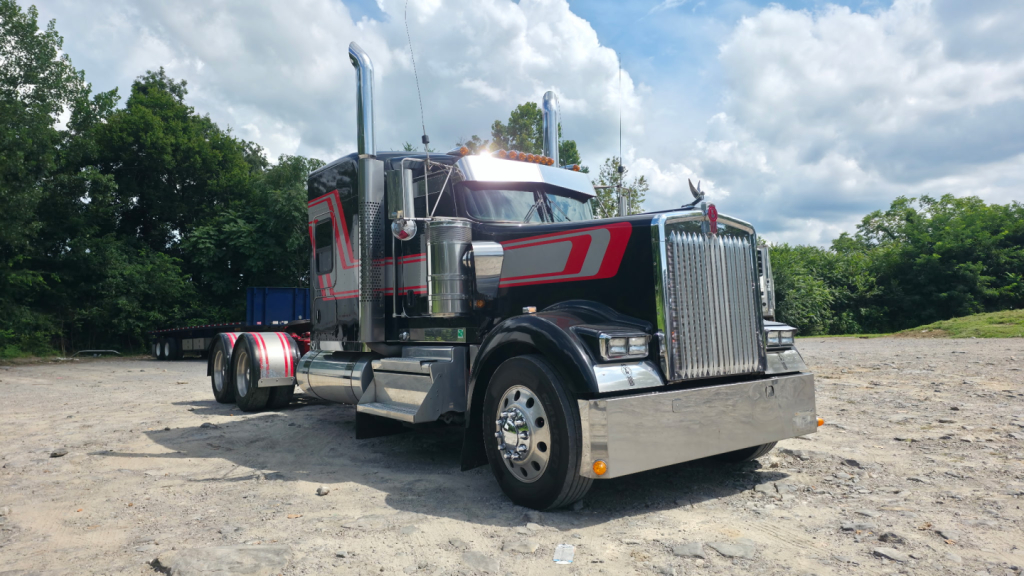
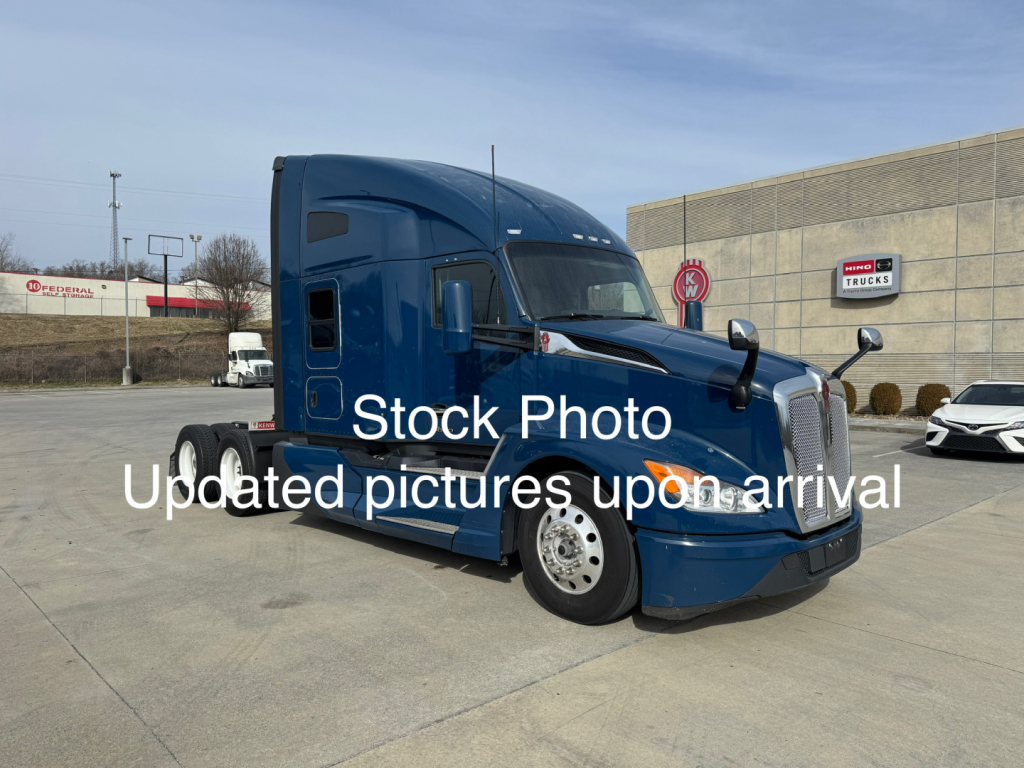
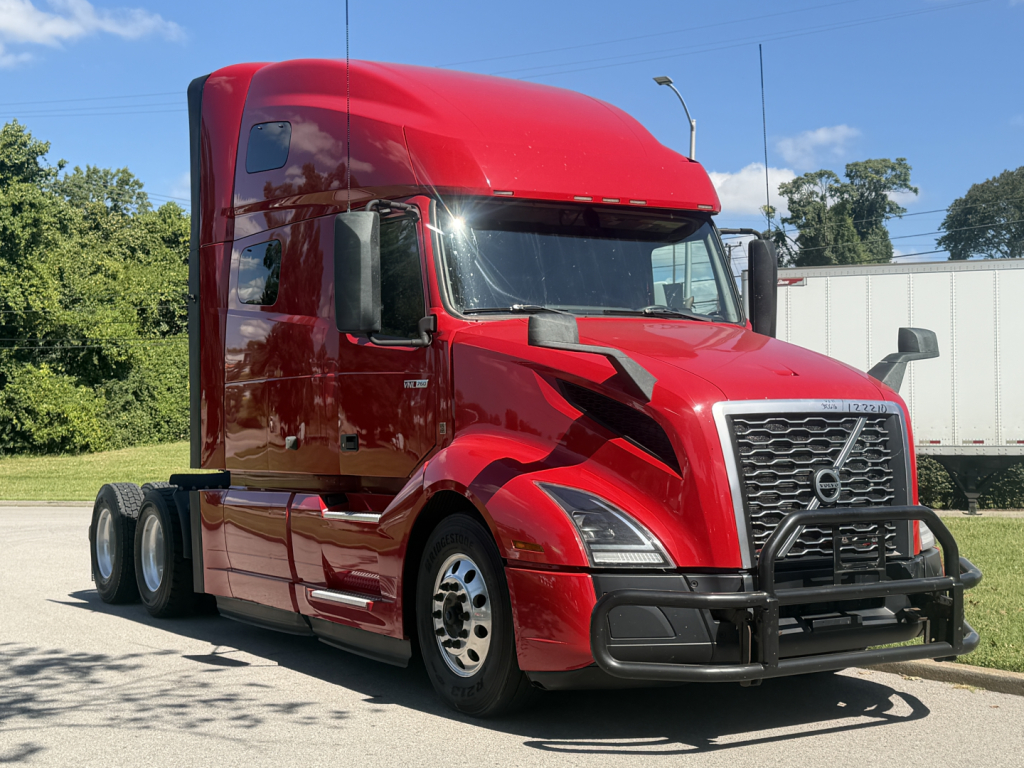

Showing 29 to 55 of 55 results
Selling a commercial truck? List your commercial truck for sale and reach thousands of commercial buyers.
Commercial Trucks in Tennessee
For over-the-road and regional hauls between Memphis, Nashville, Knoxville and Chattanooga, spec refinements matter. Aerodynamic sleepers with roof and chassis fairings, wide-base singles or low-rolling-resistance duals, and 6x4 tandems with differential locks help balance fuel economy with traction in wet weather. Mid-roof cabs fit mixed van/flat operations and lower trailer heights, while high-roof sleepers improve driver comfort on multi-night runs. APUs or bunk heaters cut idle time in hot Tennessee summers and during overnight staging, and larger dual tanks reduce refueling on long I-40 turns.
Vocational and city delivery trucks see a different playbook. Box trucks in the 24-26 ft range often run Allison automatics for stop-and-go work, with liftgates, e-track and 102-inch wide bodies for parcel or retail distribution around Nashville’s urban core. Reefer straight trucks serving foodservice routes typically use Thermo King or Carrier units sized for frequent door openings. Dump, roll-off and service trucks benefit from full-locking rears, double-frame or heavy RBM single-frame rails, crossmembers suited to hoists, front frame extensions for plows or winches, and hot-shift PTO provisions. Spring suspensions add durability off-pavement, while air ride improves payload protection on paved routes.
Reliability and compliance come from more than model year alone. Inspect emissions systems closely—DPF ash load, SCR/DEF components, recent regen history—and confirm software is current. Air disc brakes shorten stopping distances on mountain corridors but add parts cost; drums remain common and economical. Tennessee adheres to federal weight limits and bridge formula on interstates, so confirm axle ratings, wheelbase and kingpin settings on tractors intended for 53-foot trailers crossing state lines. Favor trucks with documented maintenance from OEM dealers in Memphis, Nashville, Knoxville or Chattanooga for faster parts availability, and review oil analysis, alignment records and tire wear to avoid surprises from past overloading or curb strikes.
Frequently Asked Questions about Commercial Trucks in Tennessee
What truck specs work best for Tennessee’s mix of interstates and mountain grades?
For primarily interstate duty, choose a fuel-efficient axle ratio around 2.47-2.79 with a 10-12 speed automated manual and an engine torque peak near 1,150-1,550 RPM at cruise. If routes include frequent grades or heavy payloads, a 3.08-3.42 ratio with multi-stage engine braking improves startability and downhill control. Pair air ride drive suspensions for ride quality and traction aids like inter-axle and wheel diff locks for wet or unpaved sites.
How should I choose between manual, AMT and automatic transmissions in Tennessee?
Automated manuals (AMTs) dominate sleeper and regional tractors for fuel savings and consistent shifting on rolling terrain. Full automatics (Allison) are preferred for stop-and-go city work, refuse, utility and dump trucks due to smooth launches and better heat management. Traditional 13- or 18-speed manuals suit heavy haul or off-road applications where precise ratio control and durability are priorities, though driver availability and training should factor into the decision.
What should I inspect on the emissions system of a used truck before buying?
Review DPF service history and ash loading, ensure the DOC and SCR catalysts haven’t been replaced multiple times without root-cause repair, and scan for active and historical fault codes. Check DEF pump, dosing valve and quality sensor operation, inspect wiring and connectors for heat damage, and confirm the truck completes parked and passive regens as designed. A pre-purchase diagnostic report and oil/coolant analysis help flag EGR coolers, injectors or aftertreatment issues.
Which features matter most for Tennessee city delivery and regional box truck routes?
Focus on turning radius and wheelbase for tight urban areas, Allison automatic transmissions, 24-26 ft bodies with e-track, and liftgates sized for your heaviest pallets. If handling perishables, choose a reefer unit with capacity for frequent door openings and specify insulated side doors. Air ride improves cargo protection on I-24 and I-40 runs, while roll-up doors speed dock work in Nashville and Memphis.
Can I register an out-of-state truck for Tennessee operations, and what paperwork is typical?
Yes. Expect to provide a properly assigned title, bill of sale, odometer disclosure (as applicable), proof of insurance and identification at the county clerk’s office. For interstate carriers, account for IRP apportioned plates and IFTA fuel tax licensing through the state. Confirm any commercial vehicle inspections required by your operation and keep FMCSA and DOT numbers current before entering service.