
Mechanic Trucks For Sale in Tennessee
Browse mechanic trucks for sale in Tennessee, including service bodies, cranes, compressors, and utility setups for field repair work.
Learn moreBrowse Mechanic Trucks by Make
Have mechanic truck to sell? List it here to reach thousands of buyers.
About Mechanic Trucks in Tennessee
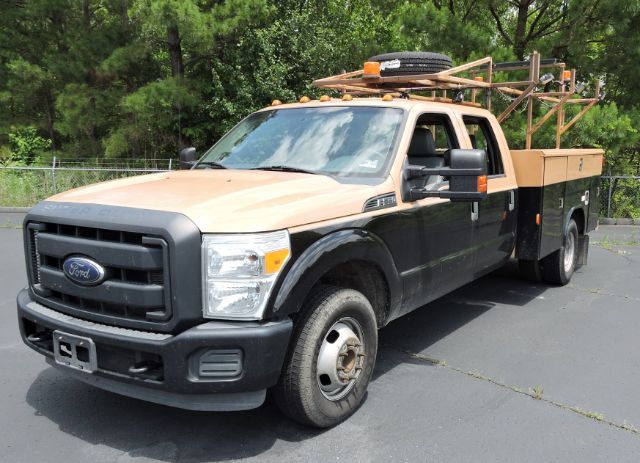
The service body is what separates one mechanic truck from another. Common features include side-pack compartments, drawer systems, reel compartments, work benches, torch bottle storage, vise mounts, and ladder or pipe racks. Many trucks also carry an air compressor, generator, welder, inverter, or full hydraulic system to support field fabrication and repair. Crane capacity matters if the truck will be lifting engines, pump assemblies, hydraulic cylinders, or undercarriage components. Buyers should compare crane rating, boom reach, winch line pull, stabilizer design, and whether the truck has the PTO and electrical capacity to run multiple tools at once.
Chassis choice affects operating cost and where the truck can work. Pickup-based mechanic trucks are easier to maneuver in tight urban areas and can be more practical for municipal, HVAC, and light fleet maintenance. Medium-duty units offer higher GVWR, better crane integration, and more room for fluids, lube systems, and heavier tooling. In Tennessee, terrain and route conditions can make wheelbase, turning radius, and rear axle rating especially important for work in hills, gravel lots, and mixed on-road/off-road travel. Gas engines are common in lighter units, while diesel power is still preferred for higher-mileage service routes, larger PTO loads, and heavier towing demands.
A good mechanic truck should be evaluated as a work platform, not just a truck with cabinets. Look closely at compartment condition, rust around door frames and body mounts, PTO operation, crane service history, compressor hours, lighting, trailer brake controls, hitch rating, and any signs of overloading. Check whether the body configuration matches the type of service work being performed, because cabinet access, tool organization, and lifting capability directly affect technician efficiency. Also known as service trucks or field service trucks, mechanic trucks are best matched by job type first, then by chassis, body brand, and accessory package.
Frequently Asked Questions
What is the difference between a mechanic truck and a utility truck?
A mechanic truck is designed for mobile repair and field service, typically with a service body, tool storage, and equipment such as a crane, compressor, welder, or generator. A utility truck may have a similar body style, but it is often configured more for storage, parts delivery, or general service work without the lifting and repair equipment that defines a true mechanic truck. The key difference is that a mechanic truck is built to perform repairs on site, not just carry tools and supplies.
What size mechanic truck is best for field service work?
The right size depends on the weight of the tools, parts, and lifting equipment required. Pickup-based mechanic trucks work well for lighter service calls, municipal fleets, and contractors who need maneuverability and lower operating cost. Medium-duty mechanic trucks are better for heavier cranes, larger compressors, more fluid capacity, and support of construction or mining equipment. Buyers should match GVWR, axle ratings, and body payload to actual daily use rather than choosing by cab size alone.
What should I inspect on a used mechanic truck?
Start with the service body, crane, and PTO system, because those components define the truck's value as a work unit. Check compartment floors, door latches, hinges, body mounts, and any corrosion around the utility body. Verify crane operation, stabilizer function, winch condition, and maintenance records if available. Compressor output, generator hours, electrical wiring, work lights, hitch setup, and trailer brake controls should also be inspected, along with the truck's engine, transmission, suspension, and brake condition.
Are gas or diesel mechanic trucks better?
Gas engines are common in lighter-duty mechanic trucks because they cost less up front and can be a good fit for local routes, municipal use, and moderate daily mileage. Diesel is usually preferred for medium-duty mechanic trucks that carry heavier service bodies, run PTO-driven accessories regularly, tow equipment, or log higher annual miles. The better choice depends on payload, accessory demand, route length, and how often the truck will idle while powering tools or support equipment.
Why does crane capacity matter so much on a mechanic truck?
Crane capacity affects more than just the maximum weight the truck can lift. It also determines boom reach, working radius, stability, and the types of repairs that can be completed in the field. A truck that only handles light lifts may be fine for generators, pumps, and small components, but larger equipment service often requires more lifting power and stronger outriggers. Buyers should compare the crane's rated capacity at different boom positions, not just the headline number.