
Service/Utility Trucks For Sale in Tennessee
Service and utility trucks for sale in Tennessee. Compare mechanics bodies, cranes, compressors, GVWR, 4x4 options, and upfitter specs to fit your work.
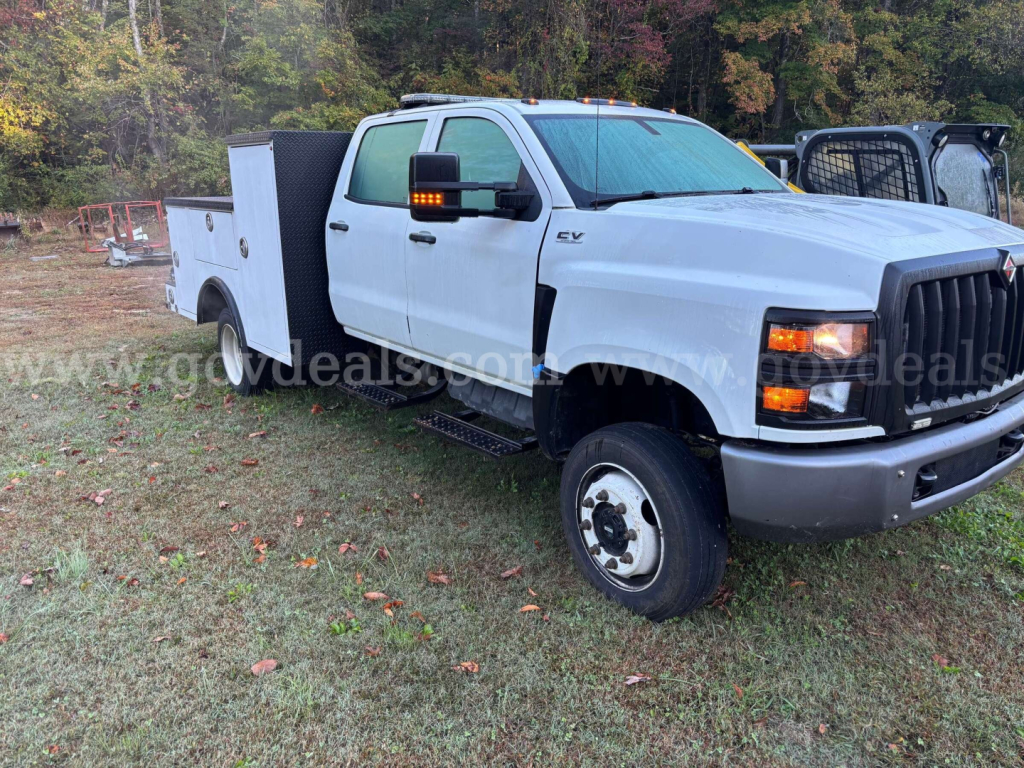
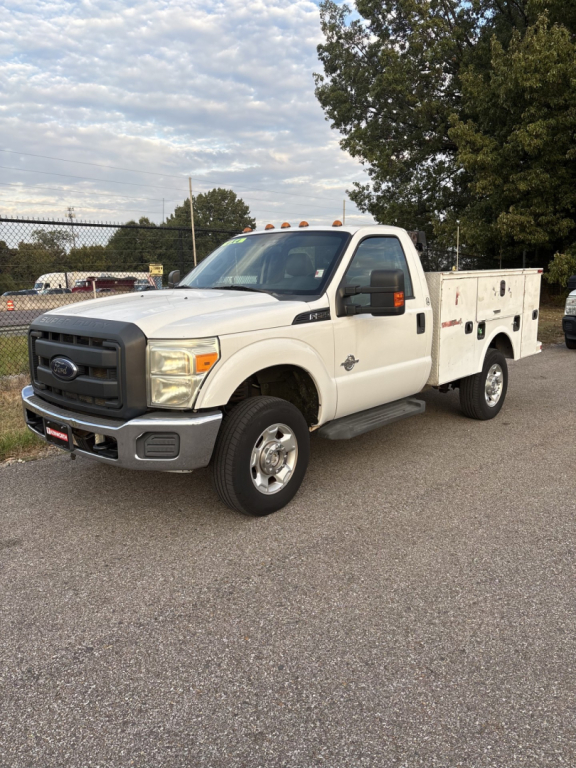
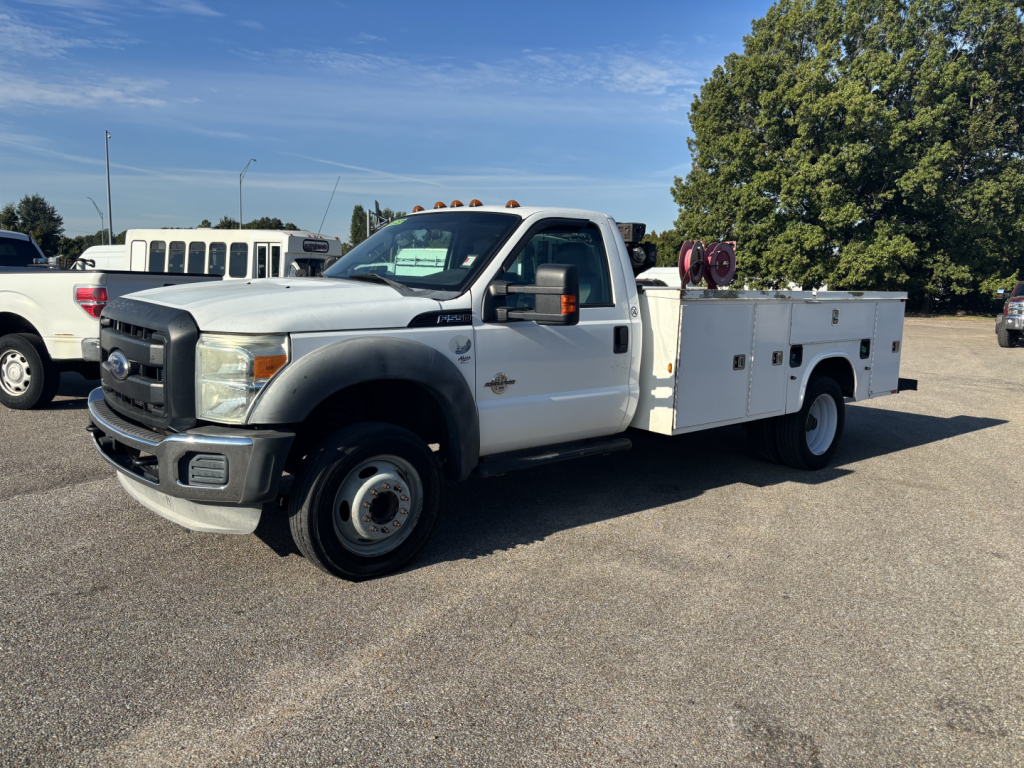
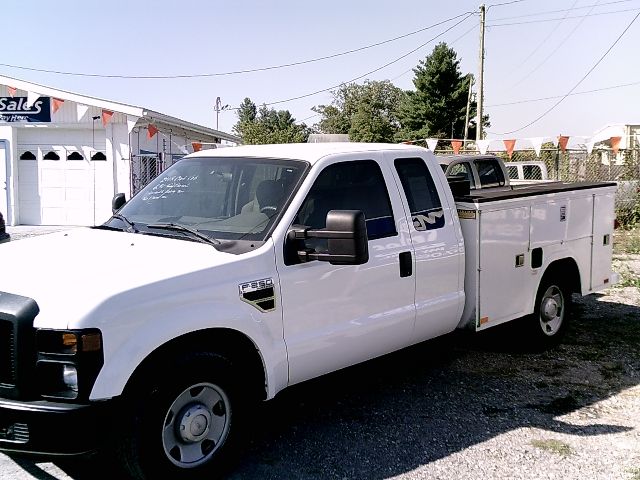
Selling a service/utility truck? List your service/utility truck for sale and reach thousands of commercial buyers.
Service/Utility Trucks in Tennessee
Powertrain and PTO strategy are key decisions. Gas V8s offer lower upfront cost and simpler emissions, good for lighter Class 3-5 builds that rack up more idle than miles. Diesels deliver higher torque and better fuel economy under load, the right fit for heavier bodies, highway routing, and frequent crane or compressor use. For hydraulic implements, many buyers prefer automatic transmissions with factory PTO provisions, though clutch pumps are common on light duty. In Tennessee’s mix of urban traffic and rolling hills, gear ratios and tire size matter. 19.5 in rubber rides lower and turns tighter, while 22.5 in offers durability for heavier builds. Select 4x4, locking rears, and aggressive tread if your work takes you onto clay, gravel, or steep utility ROWs, especially in the Plateau and East Tennessee.
Match chassis class and wheelbase to payload and stability. Class 3-5 single- or dual-rear-wheel trucks handle most light utility work with 10,000-19,500 lb GVWR, while Class 6-7 platforms like M2, T370, or MV support taller bodies, larger cranes, and bigger air systems with 21,000-33,000 lb GVWR. Aluminum and galvannealed steel bodies trade weight against dent resistance. Aluminum resists corrosion and frees payload for tools and fuel, while steel handles prying and hammering better. Crane selection should be based on the heaviest component you handle at maximum reach. Radio-remote hydraulic cranes speed placement and reduce operator fatigue compared to electric-hydraulic units. Verify outrigger style and frame reinforcements to control flex and meet load chart specs.
Practical details separate a productive truck from a frustrating one. Look for PTO hour meters, not just odometer readings, to gauge real work. Inspect compartment floors, door seals, and harness routing for water intrusion. Check frame rails near outriggers and behind the cab for cracks or added fishplates. Review service records for DPF service and regen behavior if diesel. For Tennessee heat, heavy-duty cooling and high-output alternators keep compressors, welders, and lighting powered without voltage drop. Plan for hitch and brake controller needs if towing equipment. Stay aware of CDL thresholds at 26,001 lb GVWR and any air brake restrictions. For cranes, annual inspection and maintained load charts are essential for OSHA compliance.
Frequently Asked Questions about Service/Utility Trucks in Tennessee
What GVWR class should I choose for a service or mechanics truck?
Match the class to payload and upfit weight. Class 3-5 (10,000-19,500 lb GVWR) works for light utility bodies, small compressors, and no or small cranes. Class 6-7 (21,000-33,000 lb GVWR) supports tall mechanics bodies, 6,000-14,000 lb cranes, larger rotary screw air systems, and heavier tool loads while maintaining axle reserve. Always confirm axle ratings, wheelbase, and CA/BA dimensions with the body length and crane position.
Do I need 4x4 for Tennessee job sites?
If you regularly access clay jobsites, gravel yards, utility right-of-ways, or hilly terrain in the Plateau or East Tennessee, 4x4 with a locking rear differential pays off in traction and safety. For urban service in Nashville, Memphis, or Knoxville on paved routes, 4x2 with good tires and limited-slip may be sufficient and lighter. Consider approach angle, ground clearance, and tire selection as much as the drivetrain choice.
Gas or diesel for a utility truck with PTO-driven equipment?
Diesel excels when running hydraulic cranes, rotary screw compressors, or when towing and highway cruising. It provides torque at low rpm and better fuel economy under load. Gas engines cost less upfront and avoid DEF, DPF, and regen cycles, which can be beneficial for short trips and high-idle service. If your duty cycle is heavy PTO with long stationary runs, spec a diesel with proper PTO gearing, high-output alternator, and cooling package.
How much crane capacity do I need on a mechanics truck?
Size the crane to your heaviest component at the radius you actually use. A 6,000 lb crane might lift 6,000 lb only near the mast but far less at 20-30 ft. Review load charts, choose radio remote controls for precise placement, and verify stabilizer style and frame reinforcements. For frequent lifts over 4,000 lb or long reach, hydraulic cranes outperform electric-hydraulic units and cycle faster with less heat.
What should I inspect on a used service or mechanics truck?
Evaluate PTO hours, crane cycle counts, and compressor service records. Inspect compartment floors and weld seams for rust or fatigue, frame rails near outriggers for cracks, and the hydraulic system for leaks. Test the crane under load and verify annual inspection documentation and load charts. Check electrical upfits, inverter output, alternator capacity, and battery condition. On diesel units, review DPF history and look for forced regens that indicate underlying issues.