
Ford Service/Utility Trucks For Sale in Tennessee
Compare Ford service/utility trucks in Tennessee. Specs, GVWR, gas vs diesel, bodies, PTO, 4x4 and crane options to choose the right Super Duty or F-650.
Selling a ford service/utility truck? List your ford service/utility truck for sale and reach thousands of commercial buyers.
Ford Service/Utility Trucks in Tennessee
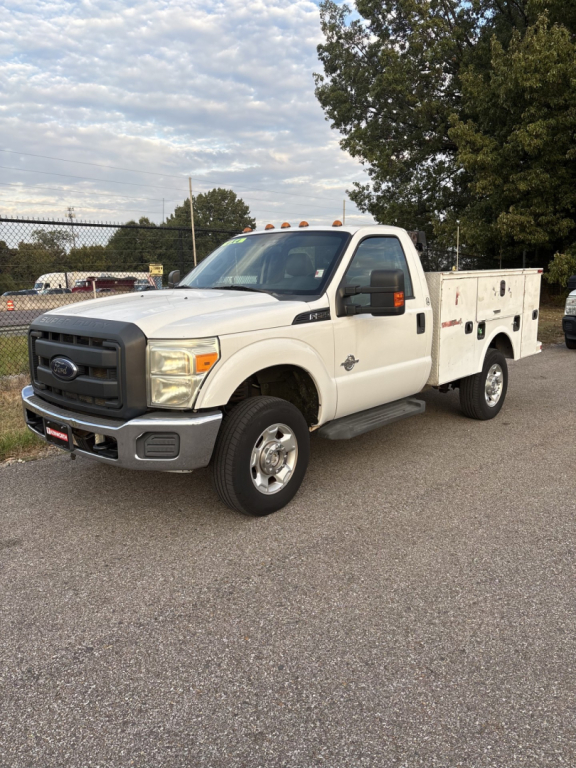
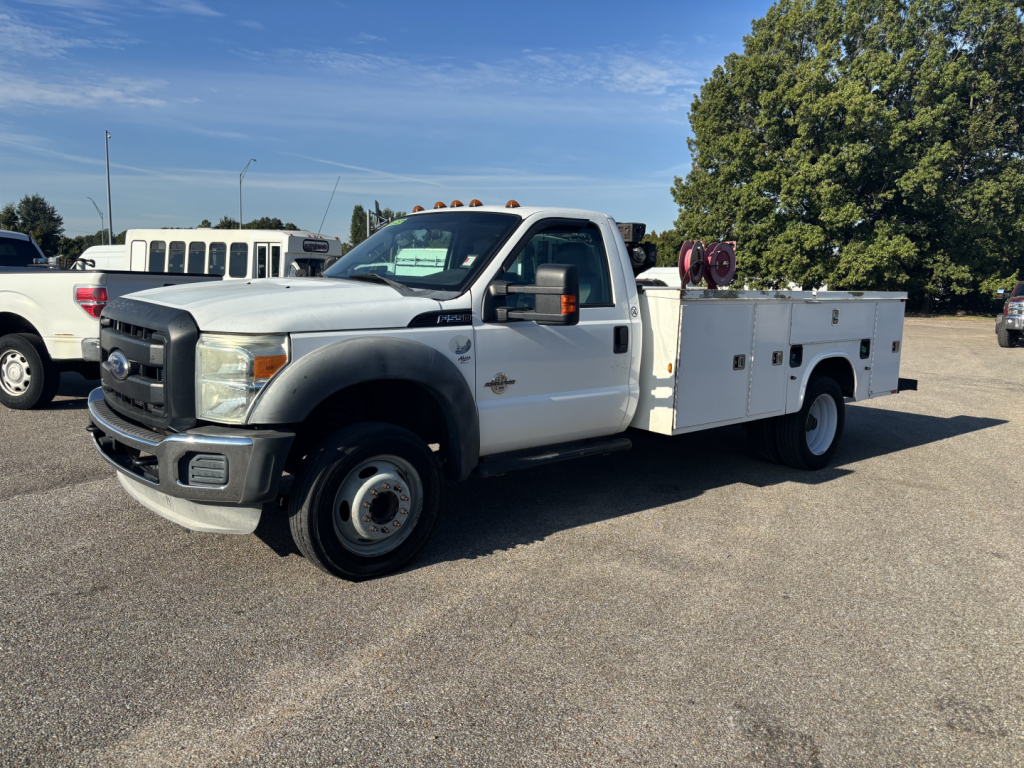
Body style dictates daily efficiency. Open steel service bodies from brands like Knapheide, Reading and Stahl are durable and easy to repair, while aluminum bodies cut weight and resist corrosion in Tennessee’s humid climate. Enclosed utility bodies, often called KUV or walk-in bodies, protect tools and inventory and reduce weather downtime but add height and wind drag. Mechanics trucks pair a reinforced body with a pedestal-mounted crane, outriggers, compressor and welder or generator. Look for 60 inch CA for a 9 foot body or 84 inch CA for an 11 foot body, slam-latch compartments, LED work lighting, vented bottle boxes, master locking and bed-top work surfaces. Crane-capable bodies need proper frame reinforcements, PTO plumbing and outrigger spread to keep axle loads and stability in check.
Powertrain choice is a cost and duty cycle call. The 6.7L Power Stroke diesel with TorqShift 10 speed excels at heavy payloads, hill work and hydraulic PTO use. The 7.3L gas V8 and 6.8L gas V8 offer lower acquisition cost, simpler emissions hardware and quick warmup for short-trip service routes. Specify axle ratios like 4.30 or 4.88 when frequent stop-start or heavy towing is expected, and consider 4x4 with a locking or limited-slip rear differential for jobsite access in wet clay or gravel. On F-450 and F-550, 19.5 inch rubber improves stability and tire life under load. Medium duty F-650 and F-750 add higher GAWRs, optional air brakes, larger cooling modules and 22.5 inch wheels for sustained vocational use.
Tennessee buyers balance metro access in Nashville or Memphis with grades and backroads in the Cumberland Plateau and East Tennessee. Shorter wheelbases and 9 foot bodies help with tight downtown turns and hospital or campus work, while 11 foot bodies and higher GVWRs suit utility crews and mobile equipment service. High-capacity alternators, dual batteries, inverter or hybrid PTO solutions support power tools without excessive idle time. Ford Pro telematics, upfitter switches, programmable SEIC and transmission PTO provisions integrate cleanly with cranes, compressors and reel systems. DEF and diesel service are easy to find along I-40 and major corridors, but gas can be cost effective for light service routes. Spec for payload first, then choose the body and storage that keep weight legal on each axle and your crew productive all day.
Frequently Asked Questions about Ford Service/Utility Trucks in Tennessee
Which Ford chassis is best for a mechanics crane body?
For 3,000 to 6,000 pound class service cranes, F-550 or F-600 chassis cabs are common because they pair 19.5 inch tires with higher rear GAWRs and strong frame RBM. They also support transmission PTOs for hydraulic power and accept stabilizers or outriggers. For cranes above 6,000 pounds, frequent lifts at long radii, or large air compressors and welders, step to F-650 or F-750 for additional axle capacity, longer wheelbases and improved stability.
Should I choose gas or diesel for a Tennessee service truck?
Choose diesel when you carry heavy payloads, tow regularly in the hills, or need a transmission PTO for a crane or hydraulic compressor. The 6.7L Power Stroke delivers high torque, better fuel economy under load and long service life. Gas engines like the 7.3L reduce upfront cost, simplify emissions service and work well on short urban routes with frequent stops. In Tennessee, where highway speeds and summer heat are common, match the engine to duty cycle, idle time and PTO needs.
Do I need a CDL to operate a Ford service or utility truck?
A CDL is generally required when GVWR exceeds 26,000 or when the combination weight rating of truck and trailer exceeds 26,000 with a trailer over 10,000. Many F-550 units are 19,500 GVWR, and some F-650 are set at 26,000 to remain non CDL. Air brakes by themselves do not trigger CDL in most states, but specialized equipment like cranes can require operator certification. If you cross state lines for business, make sure you meet USDOT number, medical card and logbook requirements.
What cab to axle and body length pairings are most common?
On Ford chassis cabs, a 60 inch cab to axle typically fits a 9 foot service body and an 84 inch cab to axle fits an 11 foot body. Longer CA options allow 12 foot bodies or additional tool storage and reel cabinets. Verify wheelbase, rear overhang and axle placement to keep weight balanced over the rear axle, maintain turning radius for urban Tennessee routes, and ensure bumper or hitch geometry suits your towing setup.
What options improve uptime on job sites across Tennessee?
Specify 4x4 with a locking or limited slip rear, all terrain 19.5 inch tires on F-450 or F-550, skid plates, and a high capacity alternator with dual batteries to support inverters and work lights. Central locking on body compartments, LED scene lighting, vented gas bottle cabinets, bed-top work platforms and integrated ladder or material racks reduce setup time. For crane or compressor packages, order factory PTO provision, upfitter switches and auxiliary idle controls to keep hydraulics stable and safe.