
Dump Trucks For Sale in Tennessee
Browse dump trucks for sale in Tennessee, including single axle, tandem, and tri-axle models for construction, hauling, and municipal work.
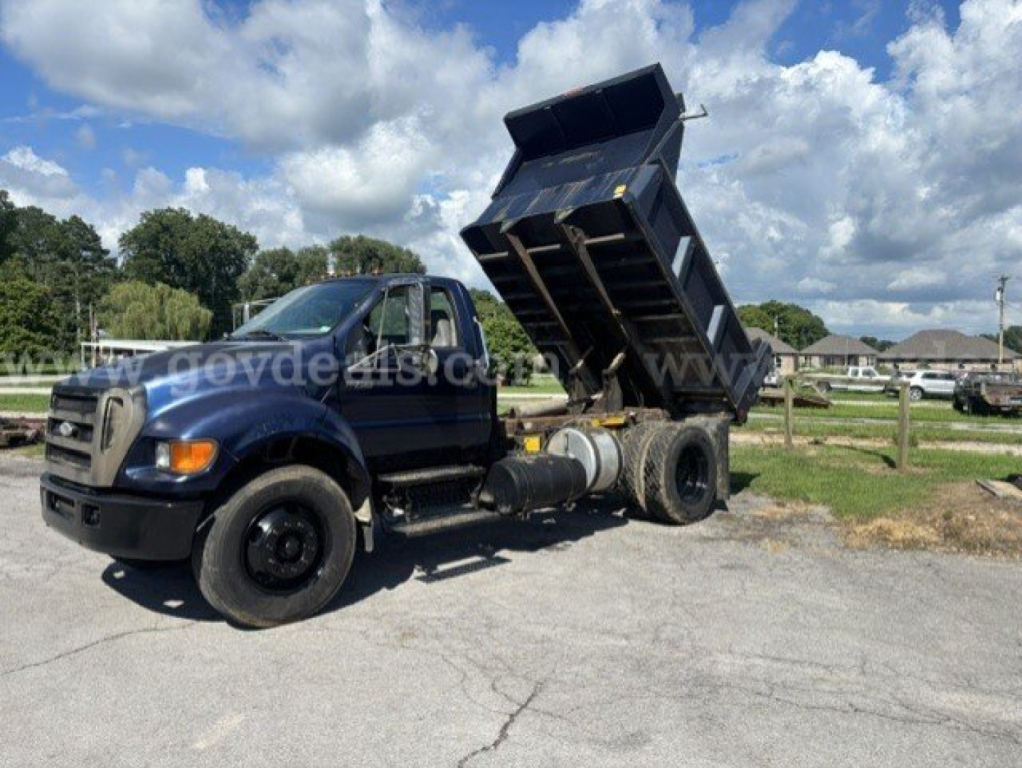
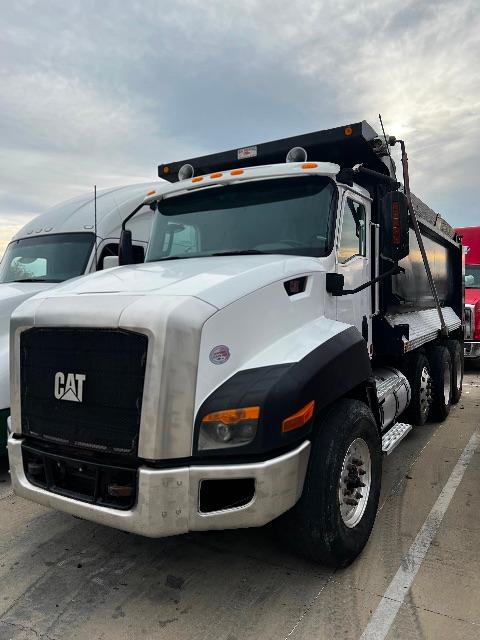

Have dump truck to sell? List it here to reach thousands of buyers.
Dump Trucks in Tennessee
A dump truck for sale may be spec'd as a standard straight dump, construction dump, gravel truck, or demolition dump depending on body style and intended use. Common body lengths range from about 10 feet on smaller medium-duty units to 16 feet or more on heavier tri-axle trucks. Buyers should look closely at the hoist type, floor thickness, side construction, tailgate design, and PTO setup. For abrasive material such as rock, asphalt millings, or broken concrete, body wear matters as much as engine hours. A half-round or elliptical body can improve material flow and reduce carryback, while a square body may be better suited for mixed applications and general contractor work. If the truck will spend time on paving or site prep, check for tarp systems, pintle hitches, backup cameras, locking differentials, and adequate frame reinforcement.
Powertrain decisions should match both terrain and payload. Tennessee routes can include steep grades, short haul cycles, and mixed highway and off-road travel, so rear axle ratio, transmission type, horsepower, and engine brake performance deserve close attention. Medium-duty dump trucks often serve landscape supply, municipal, and small contractor work, while heavier Class 8 dumps are better suited for quarry hauling, demolition, and large earthmoving jobs. Automatic transmissions are popular in stop-and-go work and for fleets with multiple drivers, but many buyers still prefer manual or automated manual setups for durability and control under load. Suspension type, tire size, and brake configuration also affect ride quality, legal carrying capacity, and maintenance cost.
Condition is often defined by the body and chassis more than the cab. A buyer should inspect crossmembers, frame rails, hinge points, hoist mounts, tailgate pins, cylinder seals, and evidence of previous weld repairs. Rust, floor patching, and hard use around the apron and gate can tell you more than paint condition. On used dump trucks, it also pays to verify PTO engagement, bed lift speed, brake condition, steering play, and how the truck tracks when loaded and empty. A well-matched dump truck can be a high-cycle revenue unit, but the right spec depends on what you haul, how far you haul it, and the axle and bridge laws that govern your operating area.
Frequently Asked Questions about Dump Trucks in Tennessee
What is the best axle configuration for a dump truck?
The best axle configuration depends on payload requirements, jobsite access, and local weight laws. Single axle dump trucks are easier to maneuver and usually cost less to operate, which makes them a strong fit for residential delivery, municipal work, and lighter material hauling. Tandem axle dump trucks offer more legal payload and are common in construction and aggregate work. Tri-axle dump trucks are often chosen when buyers need higher carrying capacity without moving into a tractor and trailer combination, but they add complexity, tire expense, and turning radius.
What should I inspect first on a used dump truck?
Start with the dump body, hoist system, frame, and suspension because those areas often show the real story of how the truck was used. Look for cracked welds, patched floors, bent crossmembers, leaking hydraulic cylinders, worn hinge pins, and tailgate damage. After that, check PTO operation, steering components, brake condition, driveline wear, and signs of overloading such as frame damage or uneven tire wear. Engine and transmission condition are critical, but body and chassis wear can be just as expensive on a dump truck.
How much body size do I need on a dump truck?
Body size should be matched to the material being hauled and the legal weight limits of the truck. A longer body does not always mean more usable payload because heavy materials such as gravel, dirt, and asphalt can max out axle weights before the body is full. Lighter materials such as mulch or brush can benefit from more cubic capacity and taller sides. Buyers should consider body length, side height, floor thickness, and hoist rating together rather than focusing on bed size alone.
Are automatic transmissions a good choice for dump trucks?
Automatic transmissions can be a very good choice for dump truck work, especially in stop-and-go routes, urban driving, and fleets with multiple operators. They reduce driver fatigue and can improve consistency in short haul applications. Manual and automated manual transmissions still appeal to many buyers because they offer direct control under load and are familiar in heavier vocational service. The right choice depends on driver preference, maintenance support, terrain, and how often the truck is backing, climbing grades, or moving through soft ground.
What features matter most for Tennessee dump truck work?
For Tennessee applications, buyers should pay close attention to horsepower, rear axle ratio, engine brake performance, and suspension because routes often include hills, mixed surfaces, and short haul cycles. Construction and quarry work can benefit from locking differentials, heavy-duty rear suspensions, and durable body construction. Trucks working in municipal or local delivery service may prioritize maneuverability, automatic transmission operation, and a shorter wheelbase. Weight law compliance and the ability to handle steep grades safely are major considerations across the state.