
Hino Stake Bed Trucks For Sale
Browse Hino stake bed trucks with cab-over visibility, under-CDL options, and versatile flatbed bodies for delivery, lumber, and jobsite hauling.
Learn moreNo exact matches found for your search
Showing Stake Bed Trucks instead.
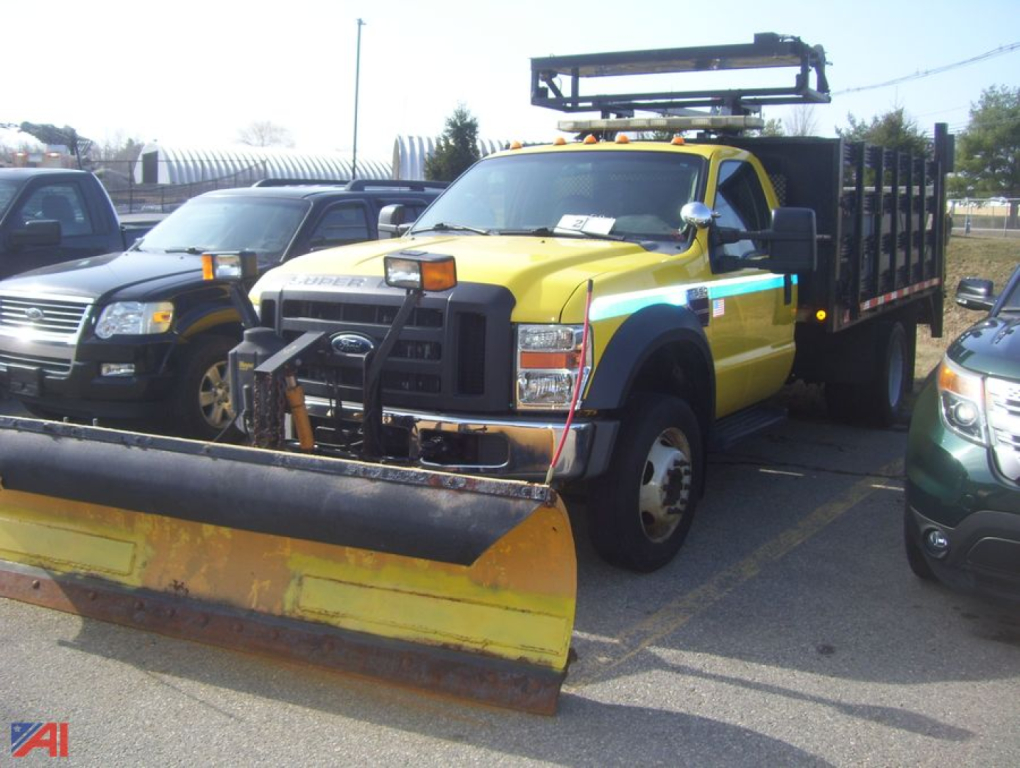
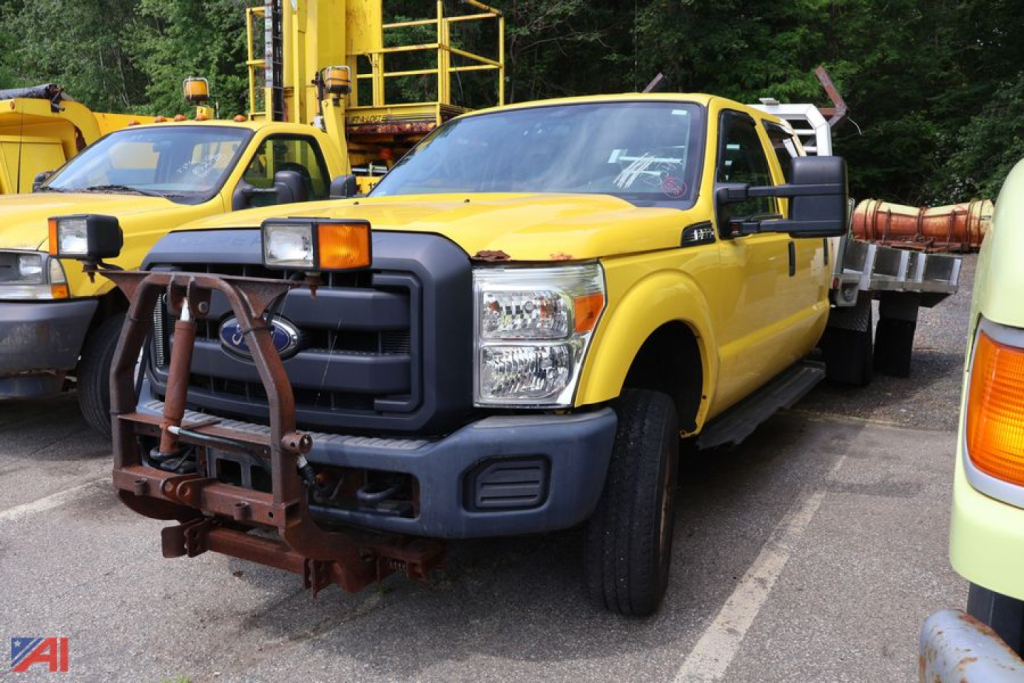
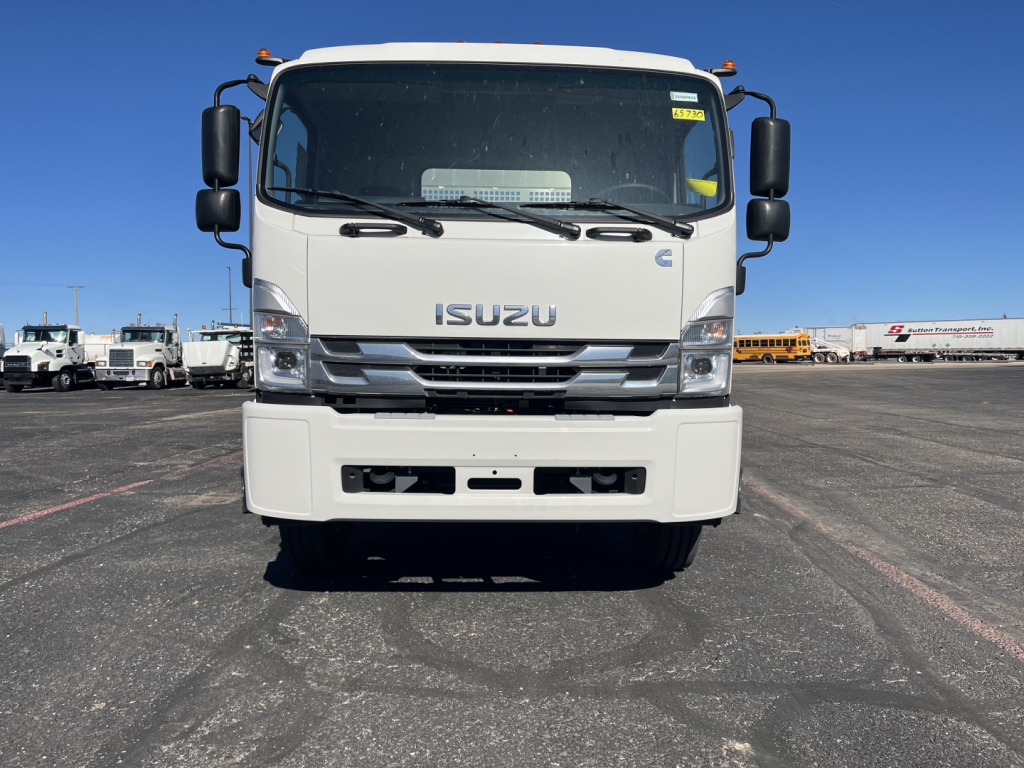
Have hino stake bed truck to sell? List it here to reach thousands of buyers.
About Hino Stake Bed Trucks
One of the first buying decisions is payload versus CDL exposure. Many Hino stake bed trucks are spec'd in under-CDL configurations around a 19,500 to 25,950 lb GVWR range, depending on chassis series and body setup. Body lengths often fall in the 16 to 20 foot range, with removable stake sides, hardwood or steel floors, barn-door or lift-out rear gates, rub rails, tie-down points, and integrated toolboxes. Buyers should pay close attention to wheelbase, rear axle rating, suspension type, and body weight, since those factors directly affect usable payload and turning radius. If the truck will carry dense material like block, steel, or bundled lumber, axle capacity matters as much as advertised bed length.
Hino trucks in this segment are commonly equipped with diesel power, automatic transmissions, and spring suspension, which makes them a practical fit for mixed-driver fleets and stop-and-go service. The automatic transmission is a real advantage on delivery routes and municipal streets, while Hino's cab ergonomics and service access are important for fleets trying to control downtime. On a stake bed, the body details deserve as much attention as the chassis. Look at stake pocket construction, side height, winches and strap placement, rear gate style, bulkhead strength, lighting protection, and bumper configuration. If the truck is used for forklifts loading from both sides, removable three-piece stake sides and a clean bed layout can save time every day.
For many buyers, a Hino stake bed is a practical middle ground between a pickup-based flatbed and a larger Class 7 straight truck. It gives you better commercial durability, tighter turning, and more body capacity than a light-duty platform, while staying easier to route and park than a full-size box or flatbed truck. The right spec depends on what goes on the deck, how often it is loaded by forklift, and whether the route is city delivery, contractor support, rental fleet duty, or municipal use. A careful review of GVWR, body dimensions, axle ratings, and side configuration will tell you more about day-to-day usefulness than model year alone.
Frequently Asked Questions
What is a Hino stake bed truck used for?
A Hino stake bed truck is commonly used for hauling materials that need flatbed-style loading with added side retention. Typical applications include lumber delivery, landscape supply, palletized freight, contractor materials, municipal work, rental fleets, and general route delivery. The stake side design makes it easier to secure loads that might shift, while still allowing loading from the side or rear with a forklift.
Are Hino stake bed trucks available in under-CDL configurations?
Yes. Many Hino stake bed trucks are built in GVWR ranges that can stay under the 26,001 lb CDL threshold, which is a major advantage for local delivery fleets and businesses using non-CDL drivers. Buyers still need to confirm the actual GVWR on the chassis and account for body weight, tools, fuel, and cargo, because payload capacity changes quickly based on how the truck is equipped.
What specs matter most when comparing Hino stake bed trucks?
The most important specs are GVWR, wheelbase, body length, rear axle capacity, suspension, engine horsepower, transmission type, and the actual body build. On the body side, look for removable stake sides, gate configuration, floor material, rub rails, tie-down points, toolbox placement, and lighting protection. These details affect how efficiently the truck can be loaded, secured, and operated on a daily route.
Why do buyers choose a Hino cab-over for a stake bed application?
The cab-over layout gives Hino stake bed trucks a shorter overall length for a given body size, which helps in tight delivery areas and crowded jobsites. It also improves forward visibility and makes urban maneuvering easier than a conventional nose truck in many situations. For businesses making frequent stops, that compact footprint can improve route efficiency and reduce driver fatigue.
How do removable stake sides affect daily use?
Removable stake sides add flexibility because the truck can function as a more contained stake body one day and a more open flatbed the next. That matters for fleets hauling mixed cargo such as palletized product, bundled material, or oversized items. Three-piece side sections and barn-door style rear gates are especially useful when forklifts need access from different angles or when drivers need quicker hand-unloading at the jobsite.