
Commercial Trucks For Sale Near Saint Albans, Vermont
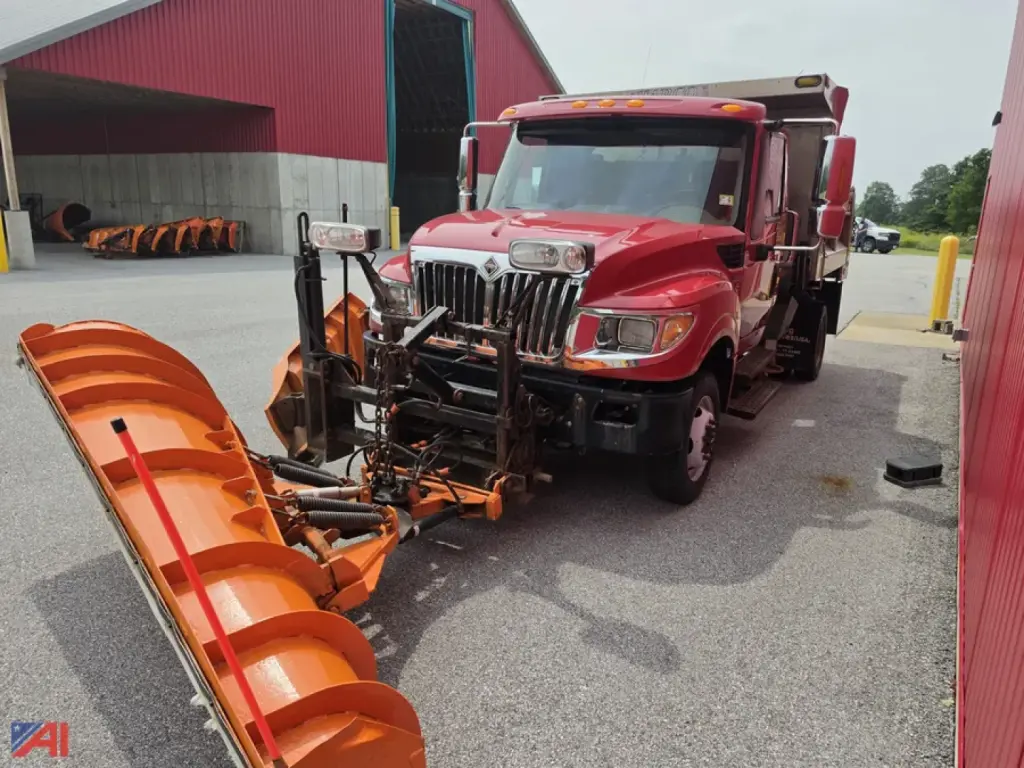
Have commercial truck to sell? List it here to reach thousands of buyers.
Commercial Trucks Near Saint Albans, Vermont
In this market, medium-duty commercial trucks are common because they balance payload, maneuverability, serviceability, and lower operating cost. Platforms such as cutaway vans, cab and chassis trucks, box trucks, flatbeds, dumps, service trucks, and bus-based commercial units are often built around proven gas or diesel powertrains with automatic transmissions and hydraulic brake systems. Key specs to compare include axle rating, suspension type, rear-end ratio, body length, door configuration, lift equipment, PTO setup, and interior upfit. On passenger and mobility-focused units, buyers should look closely at seating layout, wheelchair lift operation, securement points, flooring condition, HVAC performance, and electrical accessory condition.
For northern operators, Vermont use adds another layer to the evaluation. Corrosion exposure matters, especially on frame rails, brake lines, spring hangers, body mounts, step wells, and underbody electrical connections. Cold-weather starting performance, heater output, defroster function, tire condition, and traction setup are practical buying points, particularly for trucks that run daily stop-and-go routes. Service history is important on any used truck, but it is especially valuable on units with fleet use, municipal use, or passenger transport duty where idle hours, accessory loads, and repeated door or lift cycles can affect long-term reliability.
A good used truck purchase comes down to matching the chassis to the work and verifying the truck’s remaining service life in the components that cost real money. Buyers should pay attention to engine and transmission behavior under load, brake feel, steering play, suspension wear, body integrity, and the condition of any vocational equipment. For commercial buyers comparing multiple trucks for sale, the best value is usually the unit with the right specification, clear maintenance records, and a configuration that can go straight to work without major rework.
Frequently Asked Questions about Commercial Trucks Near Saint Albans, Vermont
What should I look for first when comparing used trucks for sale?
Start with the truck’s job requirement. GVWR, payload capacity, wheelbase, cab style, and body type should match the work before you focus on brand or model year. After that, review engine and transmission specs, axle ratings, brake type, suspension condition, tire age, and service records. A properly spec’d truck with documented maintenance is usually a better buy than a newer truck with the wrong configuration.
Are medium-duty trucks a good fit for local commercial work in Vermont?
Yes. Medium-duty trucks are often a strong fit for local and regional work because they offer useful payload capacity without the size and operating cost of a heavy Class 8 truck. They work well for delivery, contractor service, municipal support, utility work, and shuttle applications. In Vermont, buyers should also consider cold-weather operation, rust exposure, and maneuverability on tighter roads and developed town routes.
How important is rust inspection on used trucks in northern states?
Rust inspection is critical. In northern climates, road salt and winter moisture can accelerate corrosion on frame rails, crossmembers, brake and fuel lines, body mounts, wiring connections, and suspension hardware. Surface rust is common, but structural corrosion or severe line deterioration can turn into a major repair expense. A careful underbody inspection is one of the most important parts of evaluating any used truck in this region.
What matters most on a bus or wheelchair-accessible commercial truck?
On a bus or mobility-equipped commercial truck, the key points are passenger capacity, wheelchair lift function, securement hardware, interior layout, HVAC performance, and entry door reliability. Buyers should also verify the condition of the flooring, handrails, step areas, electrical accessories, and suspension components that affect ride quality. If the unit is intended for passenger service, maintenance documentation and safety equipment condition carry extra importance.
Is mileage the best indicator of a used truck’s condition?
Not by itself. Mileage matters, but hours, duty cycle, maintenance quality, and application matter just as much. A truck used on short-route stop-and-go service may have lower miles but more wear on brakes, doors, idle-related systems, and accessories. A higher-mile truck with consistent preventive maintenance can be a better long-term value than a lower-mile unit with limited service history.