
Trucks For Sale Near Rensselaer, New York
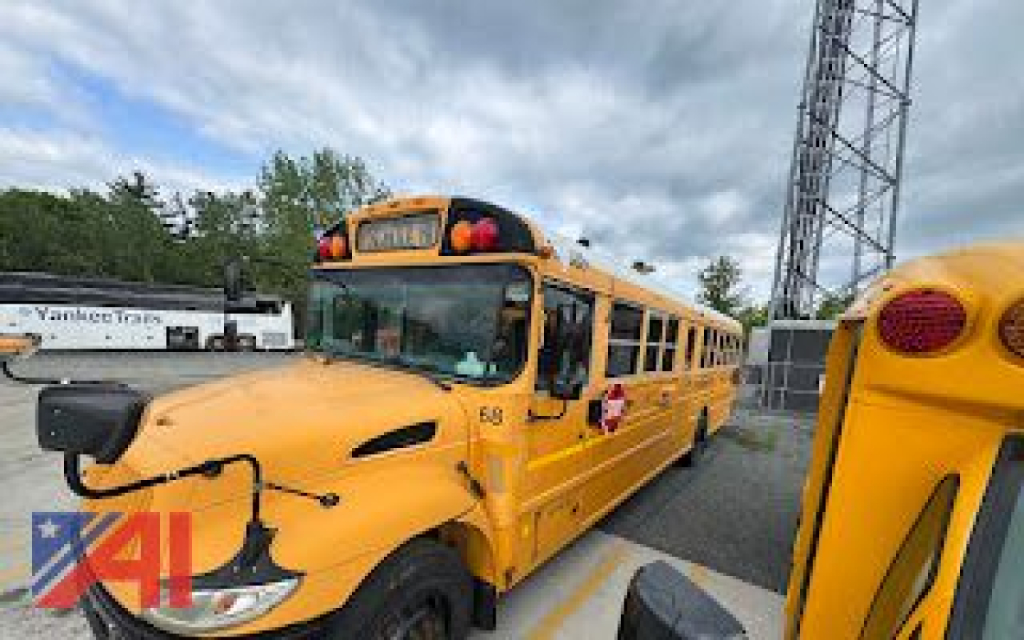
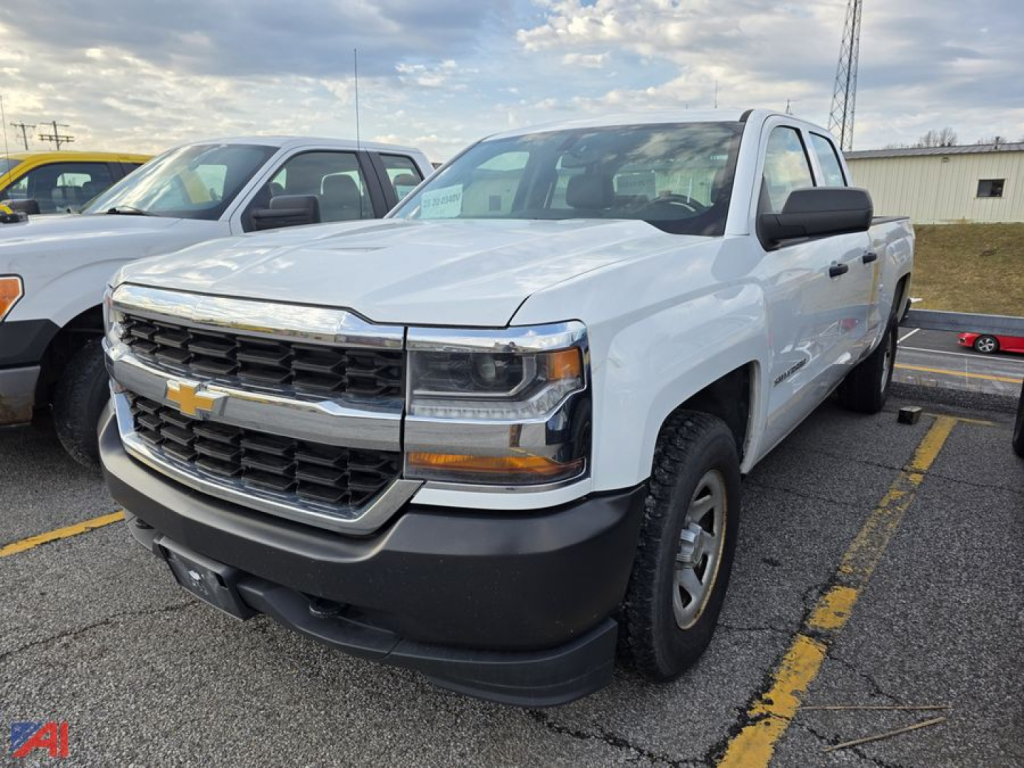
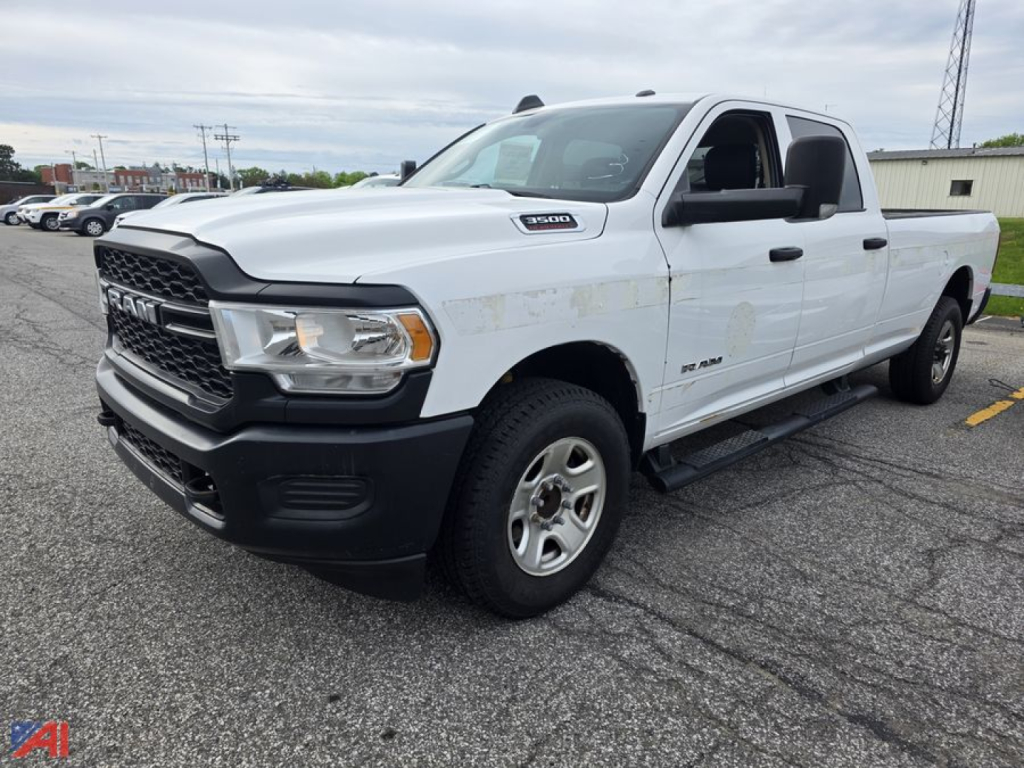
Browse trucks for sale in Rensselaer, NY, including dump, box, vacuum, and specialty trucks with specs that fit municipal and commercial work.
Learn more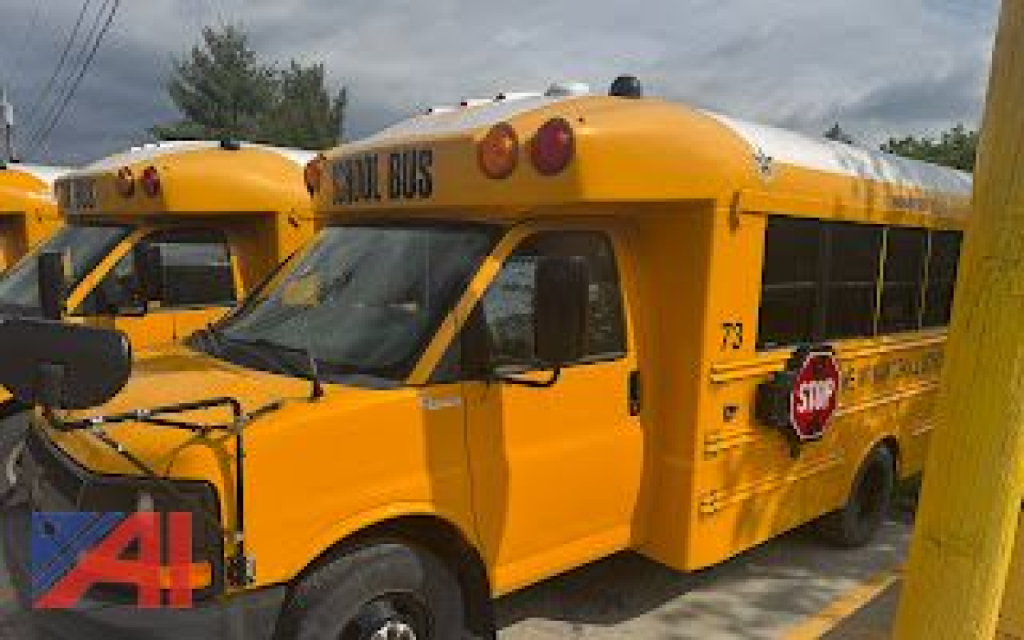
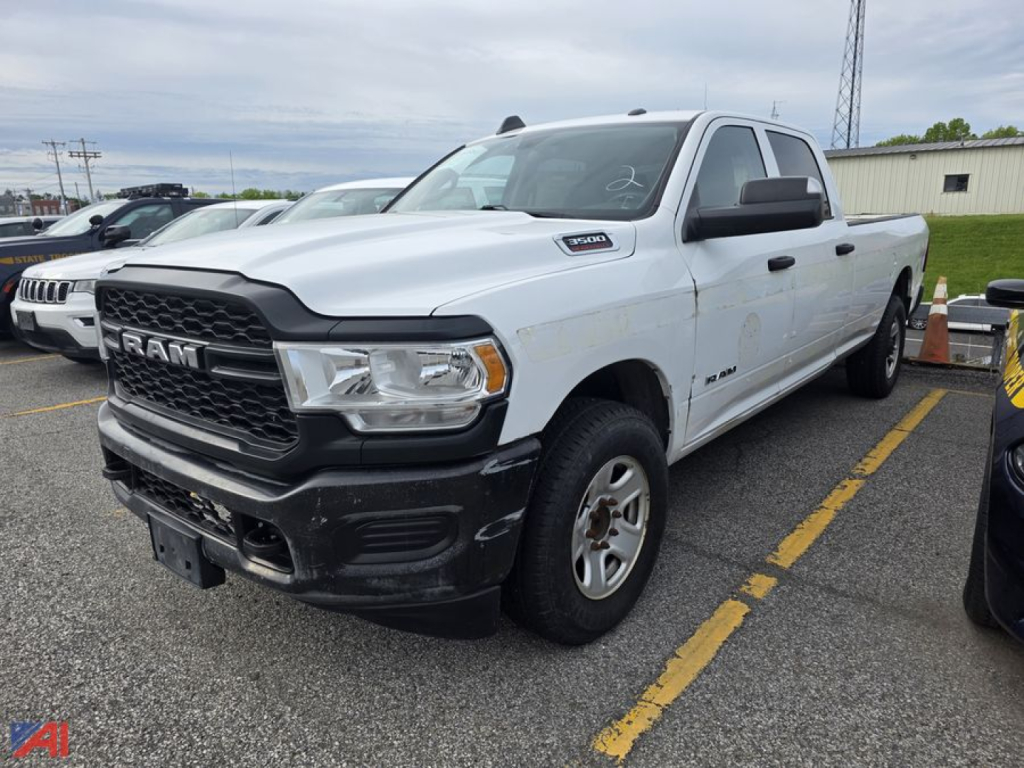
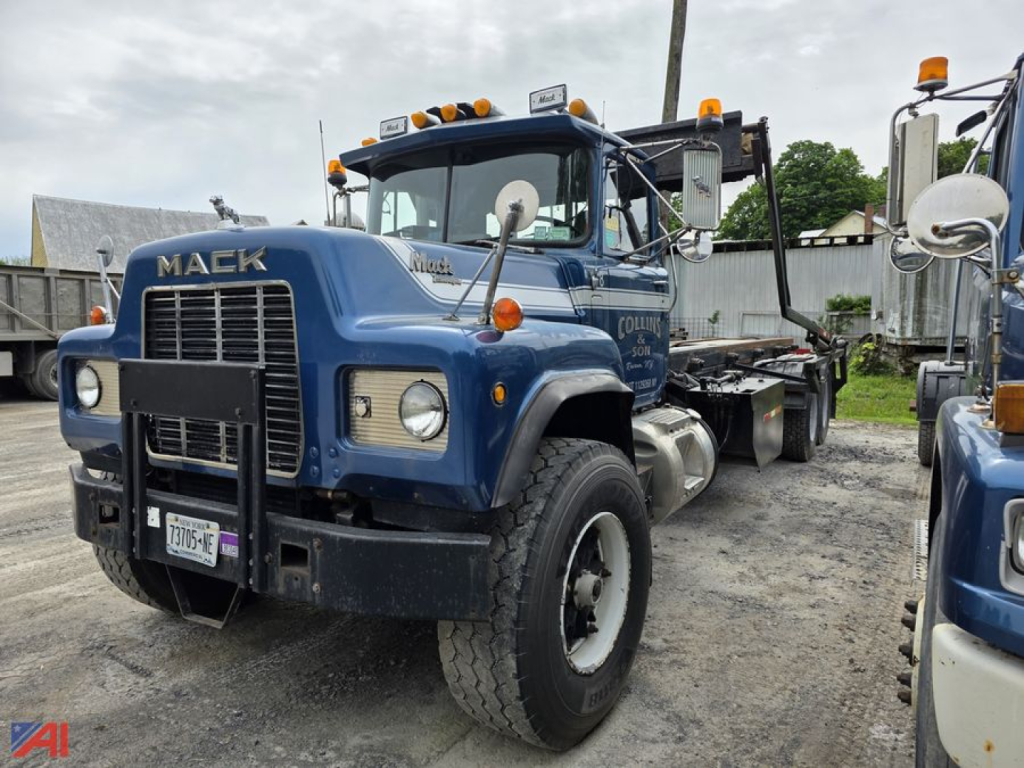
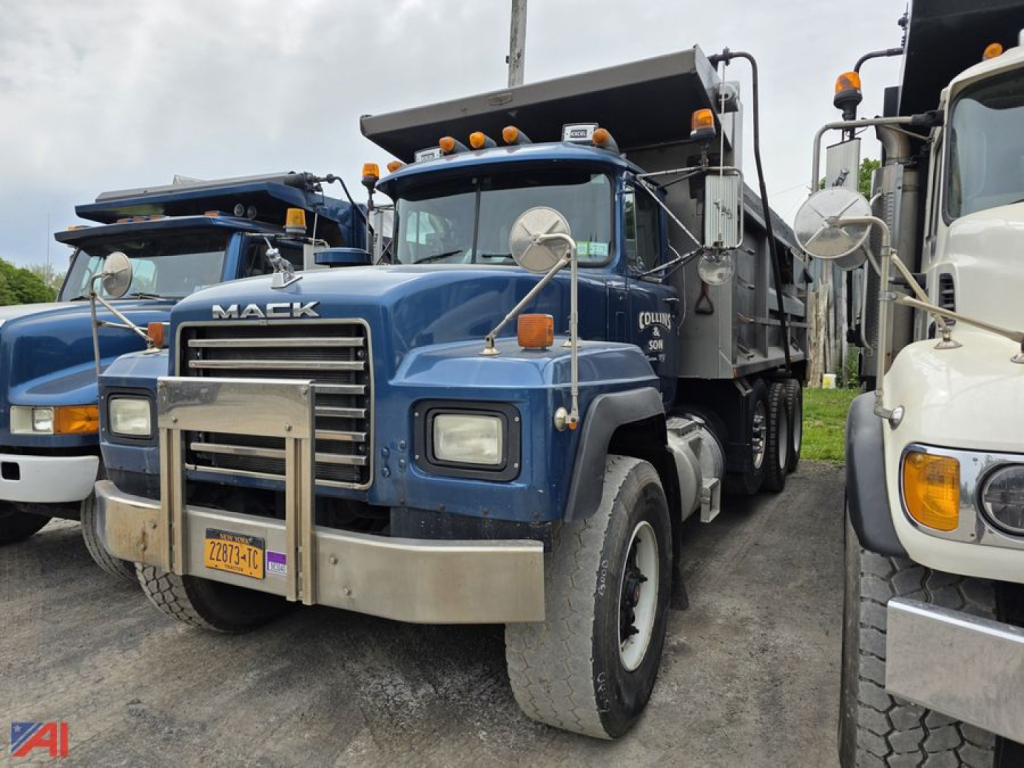
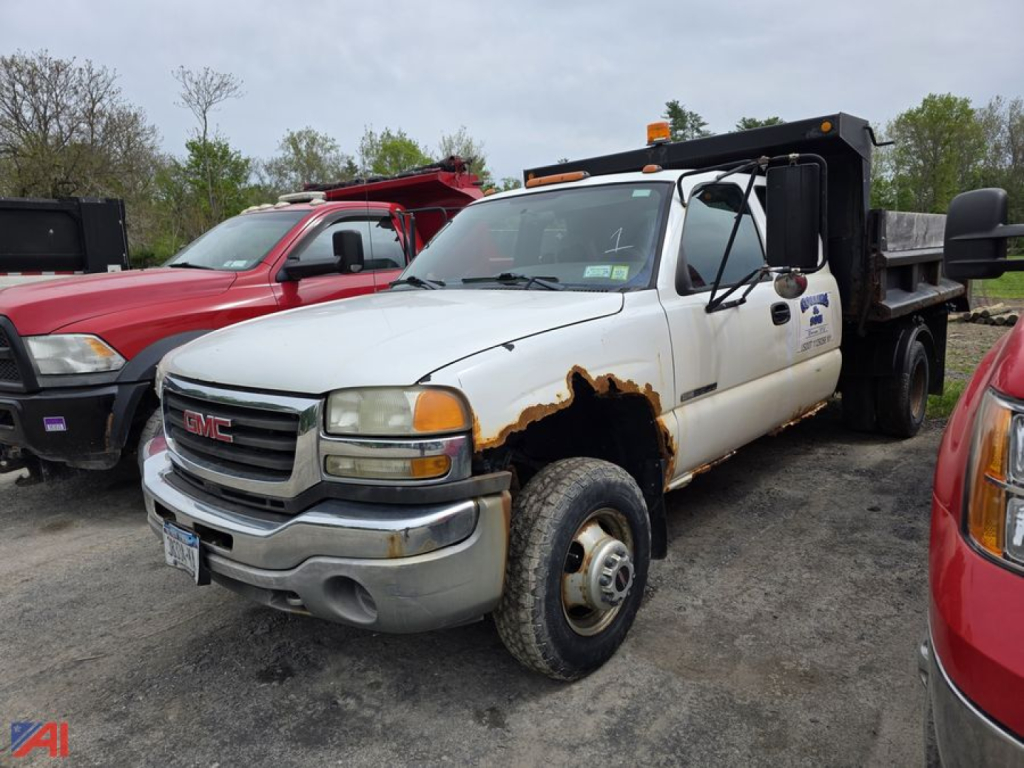
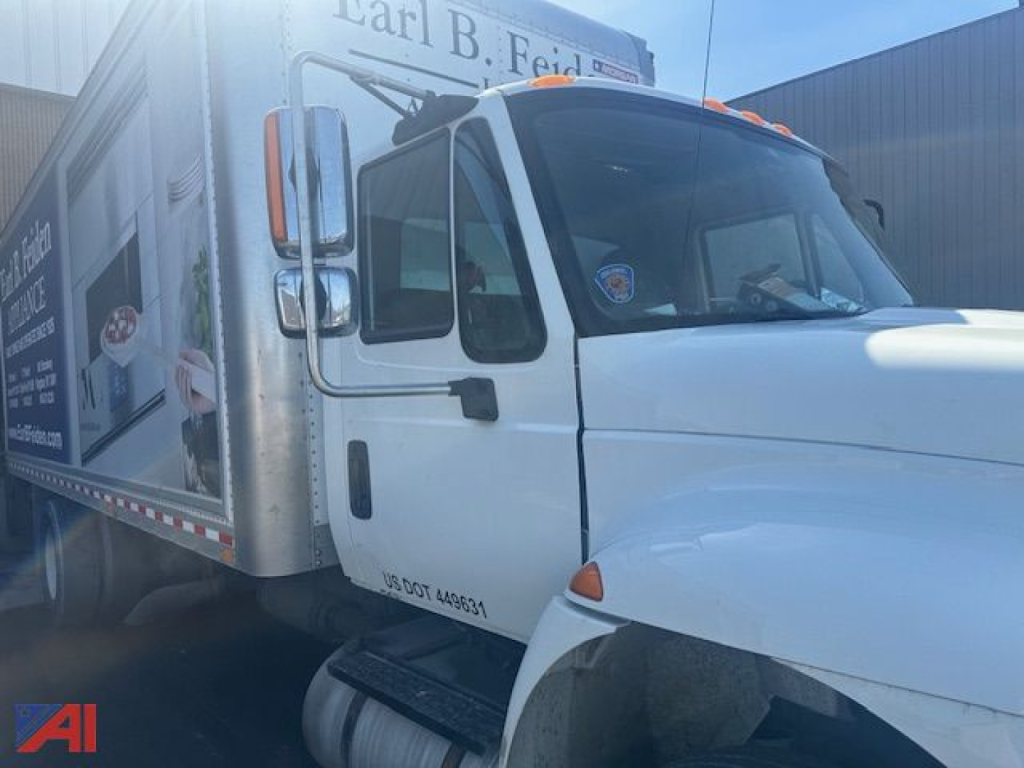
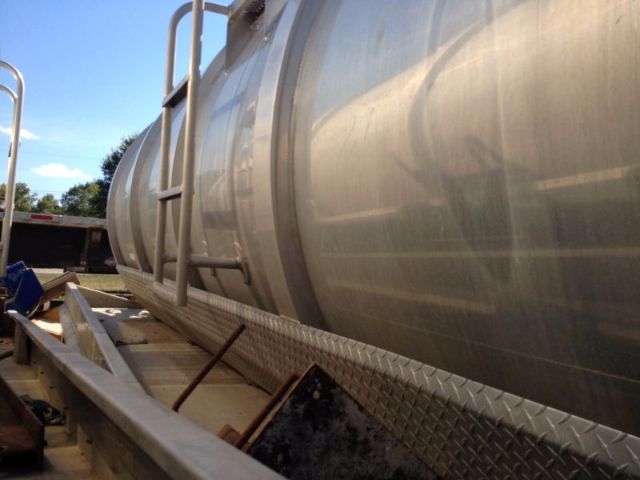
Have truck to sell? List it here to reach thousands of buyers.
About Trucks Near Rensselaer, New York
For medium-duty and heavy-duty trucks, common buying points include GVWR, axle configuration, cab style, brake type, and frame condition. A box truck buyer may focus on cargo body dimensions, door type, liftgate presence, and CDL requirements. A dump truck buyer will care more about body material, hoist condition, tailgate style, spreader or plow prep, and whether the truck has locking differentials for jobsite traction. Vacuum and tank trucks need closer inspection of tank construction, pump system, plumbing layout, hatch seals, compartment design, and any corrosion or pitting that affects serviceability. In Upstate New York, rust, crossmember condition, hydraulic line condition, and winter-related corrosion deserve extra attention on any used truck.
Powertrain choices matter because these trucks often spend their life in stop-and-go service, on secondary roads, or idling at jobsites. Diesel engines remain the standard for heavier vocational work because they deliver low-end torque and better durability under load. Automatic transmissions are common in municipal, utility, and delivery applications, while some older vocational trucks still use manual gearboxes. Buyers should also compare spring versus air suspension, single-axle versus tandem setups, and brake configurations based on payload, route density, and maintenance preference. If the truck will be working in tight urban or industrial spaces, turning radius, visibility, and wheelbase can matter as much as horsepower.
A used truck listing is strongest when it gives enough detail to judge remaining service life and fit for the job. Look for mileage, engine hours when relevant, maintenance history, PTO operation, tire condition, body or tank integrity, and any notes about leaks, hatch gaskets, hoists, pumps, or hydraulic components. Specialty trucks can offer strong value when the body equipment is sound, but replacement cost on pumps, tanks, liftgates, dump hoists, or corrosion repairs can change the economics quickly. The right truck is the one that matches the work cycle, payload, and regulatory needs without forcing expensive reconfiguration after purchase.
Frequently Asked Questions
What should I look at first when buying a used truck?
Start with the truck’s intended application and confirm the chassis matches the work. Check GVWR, axle ratings, wheelbase, engine, transmission, and body type before looking at cosmetic condition. After that, inspect frame rust, suspension wear, brake condition, tire age, hydraulic or PTO operation, and any body-specific components such as liftgates, dump hoists, pumps, or tank plumbing. A truck that is mechanically sound but poorly spec'd for the job can cost more in the long run than a higher-priced unit that fits the operation correctly.
How do dump trucks, box trucks, and vacuum trucks differ in buying criteria?
Each type has a different cost center. Dump truck buyers usually focus on hoist performance, body condition, tailgate operation, frame integrity, and rear suspension strength. Box truck buyers tend to prioritize body dimensions, roll-up or swing doors, floor condition, liftgate functionality, and whether the truck stays below CDL thresholds. Vacuum trucks require closer review of the tank, pump, valves, hoses, hatch seals, and any corrosion that could affect pressure or sealing. The body equipment often determines repair costs more than the cab and chassis.
Is rust a major concern on used trucks in New York?
Yes. In New York, road salt and winter exposure can accelerate corrosion on frames, crossmembers, brake lines, hydraulic lines, wiring connections, fuel tanks, body mounts, and underbody components. Surface rust is common on working trucks, but scaling, perforation, weak spring hangers, damaged cab mounts, or tank and body corrosion can become structural or safety issues. A careful underbody inspection is especially important on municipal, plow-prepped, and older vocational trucks.
What engine and transmission setup is best for local vocational work?
For local hauling, service, and municipal work, buyers often prefer a diesel engine with strong low-rpm torque paired with an automatic transmission. That combination handles stop-and-go routes, PTO-driven equipment, and short-cycle work well while reducing driver fatigue. Manual transmissions still make sense in some older heavy vocational applications, but automatic and automated transmissions are generally easier to staff and simpler for mixed-driver fleets. The best setup depends on payload, route speed, idle time, and whether the truck runs hydraulic or vacuum equipment.
Why do body and equipment details matter so much on specialty trucks?
On specialty trucks, the body equipment can represent a large share of the truck’s actual value. A vacuum tank, sanitary tank, dump body, liftgate, or PTO-driven system can be expensive to repair or replace even when the chassis is still usable. Buyers should inspect seals, welds, cylinders, pumps, valves, hoses, floor condition, and operating controls, then compare those findings against the cost of reconditioning. A lower-priced truck can become a costly project if the vocational equipment needs major work.