
Pickup 4wd Trucks For Sale in New Jersey
Browse Pickup 4WD trucks for sale in New Jersey. Compare used 4x4 pickups by cab, bed, GVWR, towing setup, and work-truck condition.
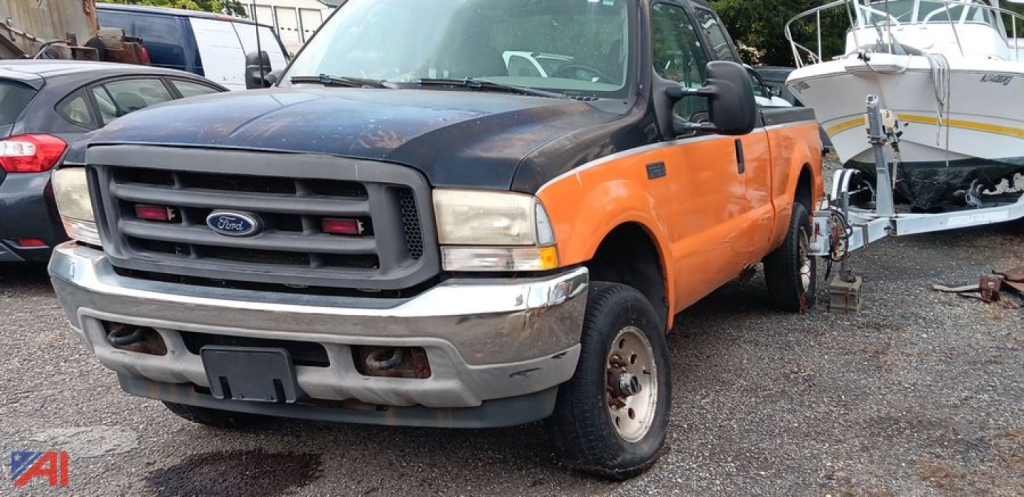
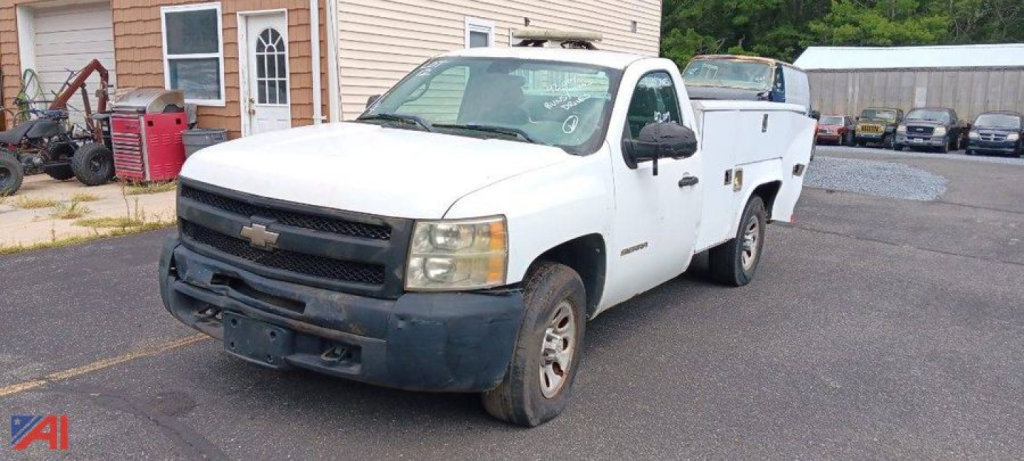
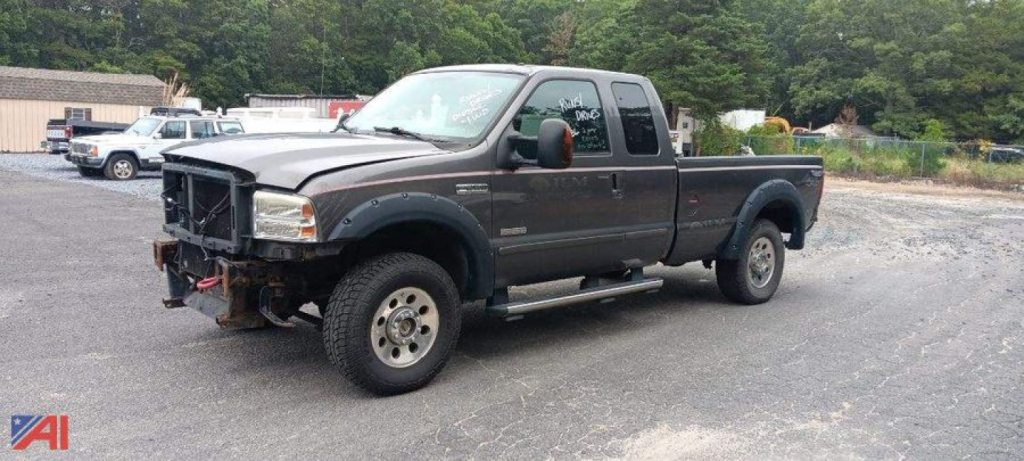
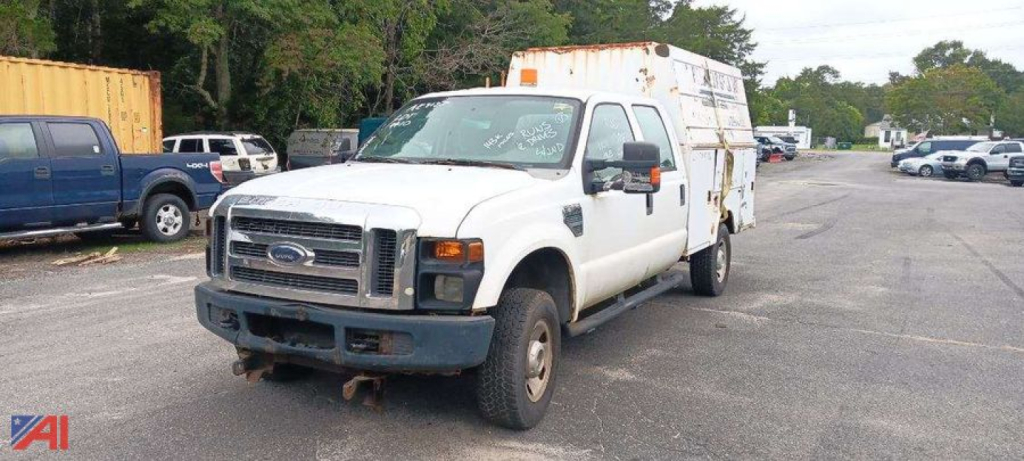
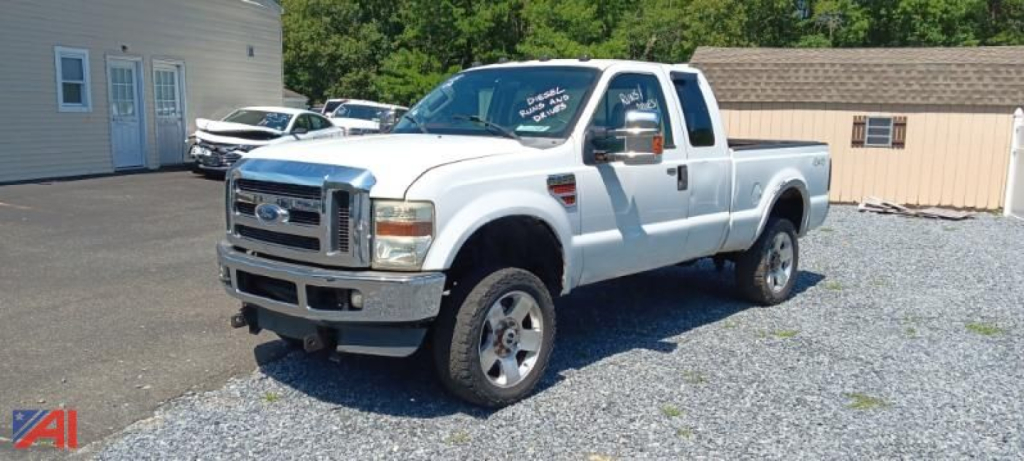
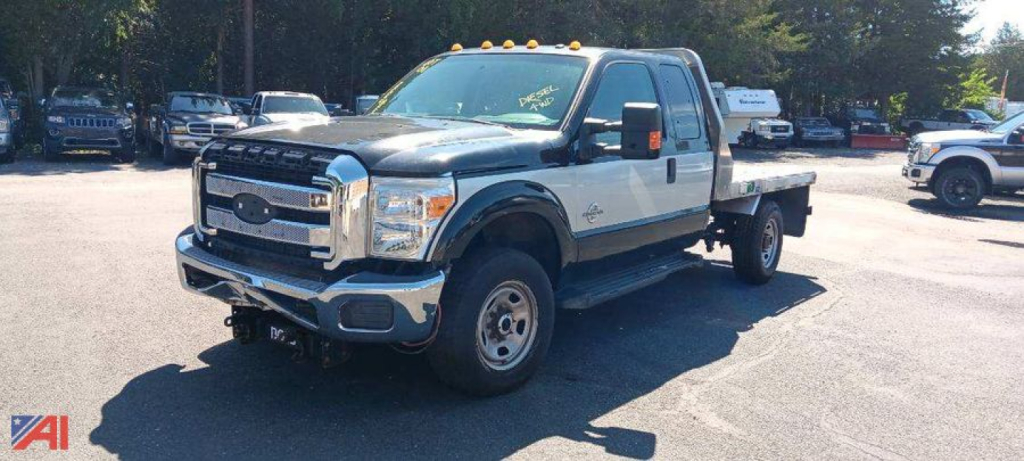
Looking for the easiest place to sell your pickup 4wd truck? List it here to reach thousands of buyers.
Pickup 4wd Trucks in New Jersey
The key buying decision is matching the truck’s axle, cab, and bed setup to the job. A 4WD pickup gives better mobility on snow, wet grass, gravel lots, and unimproved access roads, which matters in a state with winter weather, shore-area corrosion exposure, and mixed urban-suburban jobsite conditions. Buyers should verify engine type, transfer case operation, axle ratio, and whether the truck has a limited-slip or locking rear differential. Bed length, wheelbase, and suspension rating affect both payload and maneuverability. If the truck will carry tools or materials daily, check for overload springs, receiver hitch rating, brake controller wiring, bed caps, ladder racks, and signs of frame or crossmember rust.
Used Pickup 4WD trucks often come out of public works, parks departments, campuses, and private contractor fleets, so condition can vary by duty cycle more than by mileage alone. Idle hours, plow use, salt exposure, and repeated short-trip operation all matter. On older 4x4 pickups, common inspection points include cab corners, rocker panels, brake and fuel lines, front differential seals, U-joints, transfer case engagement, steering linkage, and front-end wear. A buyer should also confirm tire size match, tread wear across all four corners, and whether the drivetrain can be safely run in 4HI and 4LO without noise, binding, or warning lights.
For many buyers, the value of a 4WD pickup is its flexibility. It can tow a trailer, carry palletized or loose material, handle a service body replacement in some cases, or work as a support vehicle that still fits in normal parking and residential streets. In New Jersey, that combination is useful for snow response, park maintenance, construction support, and local delivery on mixed surfaces. The best unit is usually the one with a clean frame, a sound 4x4 system, and a cab-bed configuration that fits the actual workload better than the badge on the grille.
Frequently Asked Questions about Pickup 4wd Trucks in New Jersey
What should I inspect first on a used 4WD pickup truck?
Start with the frame, cab mounts, rocker panels, brake lines, and fuel lines, especially on trucks that may have seen winter road salt or coastal exposure in New Jersey. Then test transfer case engagement in 4HI and 4LO, listen for front axle or hub noise, and inspect the front suspension and steering components for wear. On older work trucks, drivetrain condition and corrosion are usually more important than appearance.
Is a 4WD pickup better than a 2WD pickup for work use?
A 4WD pickup is usually the better choice when the truck will operate on snow, mud, gravel, soft shoulders, or uneven jobsites. It improves traction and mobility, but it also adds drivetrain complexity, weight, and maintenance points. For buyers who stay on pavement and prioritize simplicity or lower operating cost, a 2WD truck can still make sense, but 4WD holds strong value in regions with winter weather and mixed terrain.
What size 4WD pickup is best for municipal or contractor use?
That depends on the payload, trailer weight, and how tight the work area is. Mid-size trucks such as older Dakota or S-10 models can be easier to maneuver and cheaper to run for lighter-duty tasks. Full-size trucks such as an F-150 generally offer more cab room, higher towing capacity, wider parts availability, and better suitability for snow, tool loads, and trailer work. The right choice comes down to axle rating, bed size, and intended duty cycle.
Do bed caps and work accessories add value on a used pickup 4x4?
They can, if they match the job. A bed cap helps protect tools and equipment, while ladder racks, receiver hitches, tow wiring, and spray-in liners can reduce upfit cost after purchase. The value depends on condition and installation quality. Buyers should check for water intrusion under caps, rust hidden by bed liners, and electrical add-ons that were spliced in poorly.
Are older 4WD pickups still a good buy for seasonal or backup use?
Yes, if the truck has a solid frame, functional 4x4 system, and maintenance history that supports its condition. Older pickups can make sense for snow duty, park maintenance, farm use, or as a spare fleet unit because they are simpler and often less expensive to insure and repair. The main risk is deferred maintenance, so buyers should budget for tires, brakes, front-end parts, and rust-related repairs even if the truck runs well at inspection.