
New 2018 Trucks For Sale
Shop new 2018 trucks for sale, including day cabs, sleepers, box trucks, and vocational units with modern powertrains and fleet-ready specs.
Learn more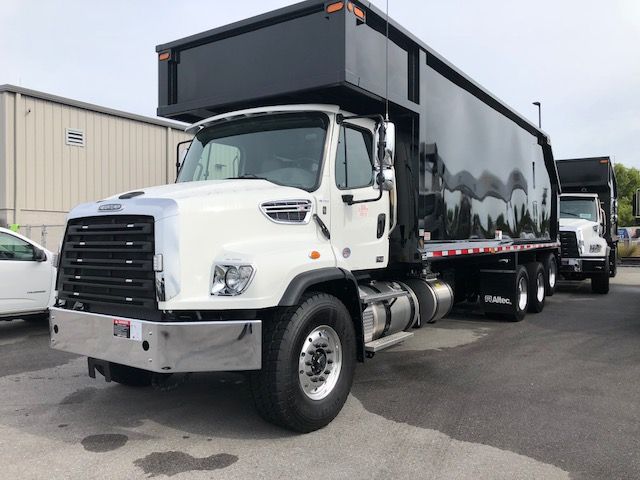
Have new 2018 truck to sell? List it here to reach thousands of buyers.
About New 2018 Trucks
On-road buyers usually start with GVWR, axle configuration, and powertrain. A single-axle truck may be the right fit for local delivery, P&D work, or non-CDL applications when spec'd below 26,000 pounds GVWR. Tandem-axle trucks are more common for sleeper tractors, heavy straight trucks, and severe-duty work that demands higher rear axle ratings and better weight distribution. Horsepower and rear ratio should be evaluated together. Lower numerical rear ratios can support fuel-efficient highway operation, while deeper ratios are often preferred for stop-and-go service, roll-off applications, or jobs that require stronger launch performance. Buyers should also compare suspension type, brake spec, wheelbase, and PTO compatibility if the truck will carry specialized equipment.
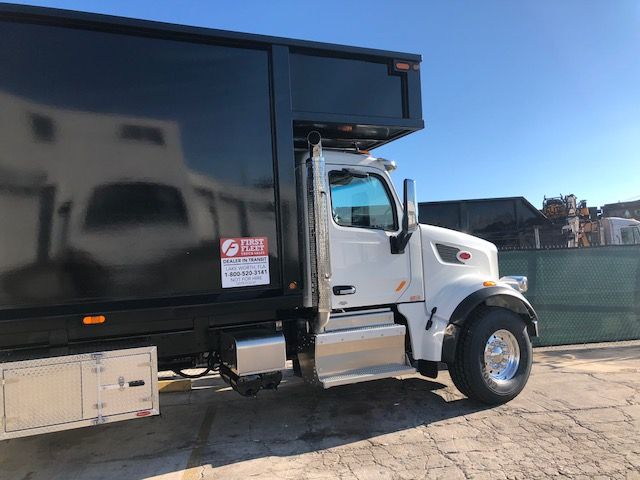
Cab and body configuration matter just as much as engine and axle specs. New 2018 trucks may include standard cabs for urban work, sleeper cabs for long-haul service, or chassis designed for dry van bodies, liftgates, hooklift systems, dump bodies, and other vocational upfits. For box truck buyers, body length, floor construction, door type, cargo control, and liftgate capacity directly affect productivity. For sleeper tractors, factors like bunk size, fairings, fuel capacity, and driver-assist features have a real impact on route flexibility and operating cost. In vocational segments, frame strength, suspension durability, and body-builder integration are often more important than cab amenities.
A smart comparison across new 2018 trucks should include warranty coverage, service network support, emissions system layout, and the availability of parts for the engine, transmission, and aftertreatment package. Buyers should verify front axle and rear axle capacities against real payload, not just advertised use. It also helps to confirm wheelbase and back-of-cab measurements before planning a body install or trailer application. The best truck in this category is the one with a spec that fits the work from day one, because correcting a poor original spec usually costs more than buying the right chassis up front.
Frequently Asked Questions
What should I look at first when comparing new 2018 trucks for sale?
Start with the truck’s intended application, then verify GVWR, axle configuration, wheelbase, engine horsepower, transmission type, and suspension rating. Those core specs determine payload capability, licensing requirements, body compatibility, and operating cost. After that, look at cab style, brake setup, rear ratio, and any vocational equipment interfaces such as PTO provision or body-builder wiring.
Are new 2018 trucks available in both highway and vocational configurations?
Yes. This category can include highway tractors, day cabs, sleeper trucks, dry van and box trucks, roll-off trucks, and other straight truck or severe-duty chassis. The major differences are usually in frame strength, axle ratings, suspension design, wheelbase, and transmission choice. Highway trucks are generally optimized for fuel economy and driver comfort, while vocational trucks are spec'd for durability, PTO use, and frequent stop-and-go or off-road operation.
How important is GVWR when buying a new 2018 truck?
GVWR is one of the most important buying points because it affects legal operating weight, payload capacity, and in some cases CDL requirements. A truck near the 26,000-pound threshold is often chosen for local delivery because it can provide useful capacity without requiring the same driver qualification as a heavier unit, depending on use and jurisdiction. For heavier work, the axle ratings, suspension, and frame must all support the actual load, not just the nominal GVWR.
What transmission types are common in new 2018 trucks?
Common choices include manual transmissions, automated manual transmissions, and full automatic transmissions. Automated manuals are widely used in highway applications because they can improve fuel consistency and reduce driver fatigue. Full automatics are especially common in delivery and vocational work where frequent starts, stops, and PTO-driven equipment make smooth low-speed operation more important. The right transmission depends on route profile, driver pool, and body application.
Why does wheelbase matter on a new 2018 truck?
Wheelbase affects body length, bridge law compliance, turning radius, ride quality, and overall weight distribution. On a straight truck, wheelbase must align with the body length and back-of-cab requirement. On a tractor, it influences maneuverability and how the truck carries weight across the axles. A wheelbase that is too short or too long for the application can create problems with payload balance, trailer clearance, or urban access.