
Military Trucks For Sale
Browse military trucks for sale, including tactical and surplus models built for off-road hauling, utility work, recovery, and severe-duty use.
Learn more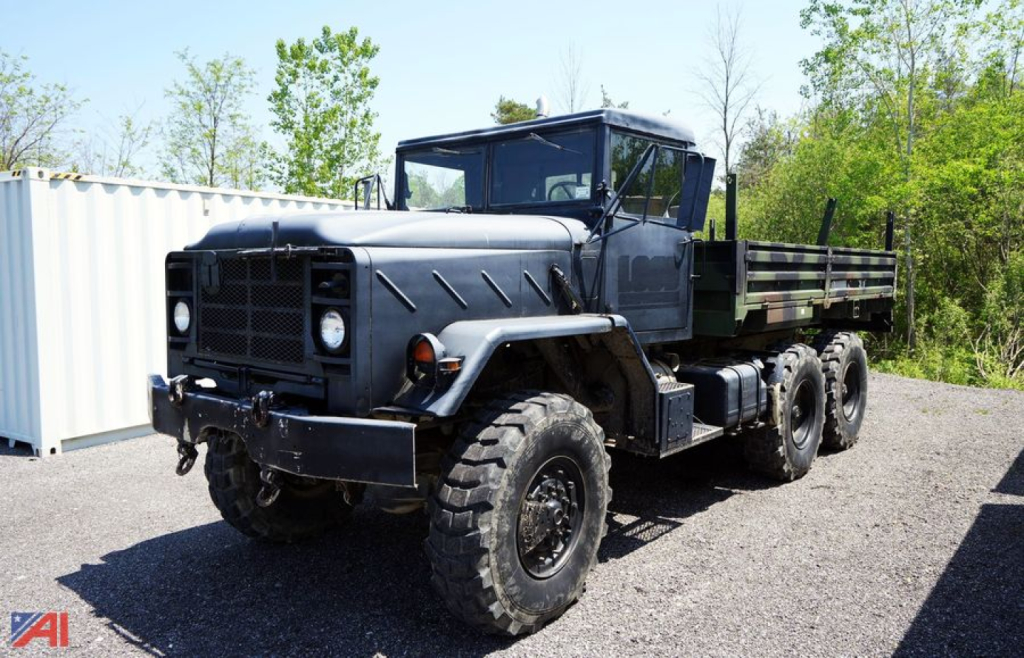
Have military truck to sell? List it here to reach thousands of buyers.
About Military Trucks
The first buying decision is application. Some military trucks are practical work platforms for farms, municipalities, construction sites, pipeline access, disaster response, and remote property maintenance. Others are more specialized tactical units with central tire inflation systems, multi-fuel or diesel powerplants, transfer cases with multiple ranges, locking differentials, and unusual tire sizes that affect long-term operating cost. GVWR, axle rating, wheelbase, bed length, and whether the truck is set up as 4x4, 6x6, or heavier should be matched to the job. If road use is part of the plan, pay close attention to top speed, gearing, cab comfort, brake system type, lighting, title status, and any modifications needed to meet local registration and DOT requirements.
Military surplus trucks can offer impressive value, but they require a careful inspection mindset. Parts support varies widely by platform. Some models have strong aftermarket and surplus parts pipelines, while others depend on military-specific components, specialty tires, or obsolete electrical systems. Look closely at transfer case operation, driveline seals, brake components, hydraulic systems, CTIS function if equipped, and signs of long-term storage such as dry rot, fuel contamination, corroded wiring, or hardened seals. Buyers should also verify whether the truck retains original 24-volt electrical architecture, air-over-hydraulic or full air brakes, and any export or use restrictions tied to the model.
These trucks are also known as military surplus trucks, tactical trucks, or ex-military trucks, and the right one depends on how much capability you actually need. A buyer looking for a severe-duty off-road hauler may prioritize axle articulation and low-range performance, while a buyer planning mixed on-road use may care more about highway gearing, cab layout, and serviceability. The best listings in this category usually provide clear information on drivetrain configuration, engine type, mileage or hours, body style, tire condition, and title documentation. That detail helps separate a workable fleet addition from a project truck that may require significant recommissioning.
Frequently Asked Questions
What should I check first when buying a used military truck?
Start with drivetrain configuration, title status, and parts support. A 4x4 or 6x6 setup may be ideal for off-road work, but the truck also needs to fit your service and registration requirements. Confirm the engine, transmission, transfer case, axle ratings, brake type, electrical system voltage, and tire size. On surplus equipment, storage-related problems such as leaking seals, brittle hoses, corroded connectors, contaminated fuel systems, and non-functioning CTIS components are common and can add significant cost after purchase.
Are military trucks practical for civilian work use?
Many military trucks are practical for civilian use if the application matches the truck's design. They are often used in agriculture, utility service, emergency response, remote site access, logging support, and construction environments where ground clearance and traction matter more than highway speed. The tradeoff is that some tactical trucks are slow on pavement, loud in the cab, and expensive to outfit for frequent road travel. The best civilian candidates are usually straightforward cargo or tractor configurations with good parts availability and clear title documentation.
Do military trucks use standard commercial parts?
Some do, but many use a mix of commercial and military-specific components. Engines and transmissions may share lineage with commercial platforms, while axles, brake hardware, electrical systems, wheels, and CTIS components can be unique to the military application. That makes it important to identify the exact model and variant before buying. A truck with common Cummins, Caterpillar, Allison, or Detroit components may be easier to maintain than a platform with highly specialized driveline or chassis parts.
Can a military truck be registered for road use?
Registration depends on the truck, the paperwork, and your state or local rules. Some ex-military trucks transfer with clear civilian titles, while others may come with surplus disposal documents that require additional processing before registration. Buyers should also confirm lighting compliance, brake requirements, emissions exemptions where applicable, and whether vehicle dimensions or top speed create operating restrictions. It is smart to verify these issues before purchase rather than assume every surplus truck can be put directly into normal highway service.
Why do some military trucks have low mileage but still need major service?
Low mileage on a military truck does not always mean low wear in the way a commercial buyer might expect. Many units spend long periods parked, idled, or operated in harsh environments with intermittent use cycles. Storage time can be harder on seals, tires, fuel systems, batteries, and wiring than steady operation. A low-mile truck that has sat for years may need extensive recommissioning, including fluid service, brake work, tire replacement, fuel system cleaning, and inspection of every rubber and hydraulic component.